
Creating a sophisticated home doesn’t have to mean investing in expensive furniture, hiring an interior designer, or committing to a complete renovation. Often, the most beautiful interiors are the result of thoughtful choices rather than extravagant spending.
A well-balanced color palette, carefully selected materials, and a few intentional details can transform an ordinary space into one that feels polished and inviting. The key is knowing which changes will have the greatest visual impact and where you can save without compromising on style.
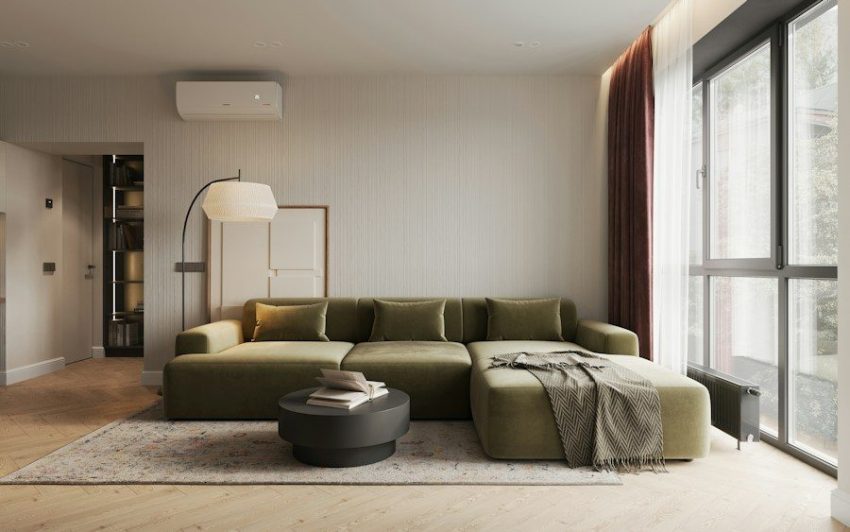
Whether you’re refreshing an older property or simply looking to give your home a more refined appearance, these seven budget-friendly upgrades can help you achieve a sophisticated look without stretching your finances.
1. Refresh Your Flooring for a More Cohesive Look
Flooring is one of the largest visual elements in any room, yet it’s often overlooked when homeowners plan a budget-friendly makeover. Worn carpets, outdated tiles, or mismatched flooring can make an otherwise beautifully decorated space feel unfinished.
Updating your floors can create a cleaner, more cohesive foundation for the rest of your interior. Fortunately, achieving an elegant look doesn’t necessarily require investing in expensive hardwood or natural stone.
Luxury vinyl plank, laminate, and wood-look tile can offer the appearance of premium materials at a more accessible price point. When comparing discount flooring options, look for finishes that complement your home’s existing architecture and color palette. Natural wood tones, warm neutrals, and understated textures tend to work particularly well in interiors designed to feel timeless rather than trend-driven.
If replacing the flooring throughout your home isn’t financially realistic, focus on the spaces where the change will have the greatest impact. Living rooms, entryways, and kitchens are excellent starting points.
Choosing a consistent flooring style across connected rooms can also make the home feel more spacious and thoughtfully designed.
2. Create a Thoughtful and Consistent Color Palette
One of the simplest ways to make a home feel more sophisticated is to establish a cohesive color palette.
This doesn’t mean every room needs to be painted the same shade. Instead, choose a small selection of complementary colors that flow naturally from one space to another.
Warm whites, soft taupes, muted greens, and earthy neutrals can create an elegant foundation while leaving plenty of room for personal expression. Deeper shades, such as charcoal, chocolate brown, or navy, can add contrast and visual depth when used intentionally.
For a balanced look, consider the familiar 60-30-10 decorating principle:
- 60% dominant color for walls and larger surfaces
- 30% secondary color for furniture and textiles
- 10% accent color for decorative details
You don’t need to follow these proportions precisely, but they can help prevent a room from feeling visually overwhelming.
Painting existing walls, doors, or cabinetry is also considerably more affordable than replacing furniture or undertaking major structural changes. If you’re looking for inspiration beyond wall colors, these expert decoration hacks offer additional ideas for refreshing furniture and accessories with simple, affordable changes.
When working with an older property, remember that preparation matters just as much as the final color. Before sanding or disturbing existing paint in homes built before 1978, consult the EPA’s remodeling safety recommendations, particularly regarding potential lead-based paint.
3. Upgrade Lighting to Create a More Inviting Atmosphere
Lighting has an enormous influence on how a home looks and feels. Even a beautifully furnished room can appear flat or uninviting when it relies entirely on a single overhead fixture.
A more sophisticated interior typically incorporates several sources of light, each serving a different purpose.
Start by combining ambient lighting with task and accent lighting. A floor lamp beside a reading chair, a small table lamp on a console, or under-cabinet lighting in the kitchen can add warmth and dimension without requiring extensive electrical work.
Replacing an outdated ceiling fixture can also make a noticeable difference. Look for simple, timeless designs in finishes that complement your existing hardware.
Pay attention to bulb temperature, too. According to the U.S. Department of Energy’s guidance on light bulb color temperature, warm white lighting around 2700K to 3000K is commonly suited to residential environments, helping create a softer and more welcoming atmosphere in living rooms and bedrooms.
For additional flexibility, consider dimmable bulbs or plug-in lighting solutions that allow you to adjust the mood throughout the day.
4. Replace Small Hardware and Fixtures
Sometimes, the smallest details are responsible for making a room feel dated.
Cabinet handles, drawer pulls door knobs, and bathroom fixtures may seem insignificant individually, but together they contribute to the overall character of your home.
Replacing worn or mismatched hardware with a more consistent selection can give existing furniture and cabinetry an entirely different appearance.
Brushed brass, matte black, and satin nickel are versatile choices, although the right finish ultimately depends on your home’s style and existing materials.
For example, simple brass handles can introduce warmth to white kitchen cabinets, while understated black hardware can provide contrast against natural wood.
You don’t necessarily need to replace every fixture in the house. Start with the most visible areas, such as kitchen cabinetry, bathroom vanities, and frequently used doors.
Before purchasing new handles, measure the distance between the existing screw holes to avoid unnecessary drilling or repairs.
This relatively inexpensive upgrade can help older cabinetry feel more intentional and better integrated into the surrounding interior.
5. Add Architectural Interest Without Major Renovations
Sophisticated interiors often have a sense of depth and character that goes beyond furniture and decorative accessories.
Architectural details, such as wall molding, paneling, and carefully chosen trim, can introduce that character without requiring a complete renovation.
Picture-frame molding is one option for adding visual interest to plain walls. It can work particularly well in dining rooms, bedrooms, and entryways, where a subtle architectural feature creates a focal point.
Another approach is to install simple wall paneling or refresh existing baseboards and door frames with a fresh coat of paint.
If your home already has original architectural features, consider restoring them rather than replacing them. Older doors, decorative trim, and traditional molding can become some of the most distinctive elements of a thoughtfully updated home.
For renters or homeowners who prefer less permanent changes, removable wallpaper and carefully positioned decorative elements can create a similar sense of depth.
The goal isn’t to make every wall a statement. A few well-chosen details are usually more effective than filling the entire home with competing features.
6. Use Textiles to Introduce Texture and Warmth
A sophisticated home should feel comfortable and inviting, not overly formal or staged.
Textiles are an affordable way to introduce softness, warmth, and visual interest, particularly when larger furniture pieces are staying in place.
Consider replacing lightweight curtains with longer panels that hang closer to the floor. Mounting the curtain rod slightly above the window frame can help create the impression of greater ceiling height.
A generously sized area rug can also make a room feel more complete by visually connecting the furniture.
When choosing cushions, throws, and upholstery, focus on combining complementary textures rather than introducing too many different colors or patterns.
Linen, cotton, wool, and woven fabrics can work beautifully together, especially when used within a consistent color palette. For a more relaxed, collected look, you can also borrow ideas from cottagecore decorating, where natural fabrics, layered textures, and vintage details help create a warm, lived-in atmosphere.
You can also refresh existing furniture instead of replacing it. New cushion covers, a carefully selected throw, or reupholstered dining chair seats can bring an older piece back into the overall design.
A thoughtful mix of materials helps create the layered, collected appearance often associated with timeless interiors.
7. Edit Your Decor and Choose Meaningful Finishing Touches
One of the most effective ways to make a home feel more refined doesn’t require buying anything at all.
Removing unnecessary clutter and reconsidering how decorative objects are arranged can immediately change the appearance of a room.
Rather than filling every available surface, give your favorite pieces enough space to stand out.
A ceramic vase, a framed photograph, a small collection of books, or a piece of original artwork can make a stronger impression when displayed intentionally.
Try grouping objects of different heights and textures to create visual balance. A stack of books beside a sculptural lamp, for example, can feel more considered than several unrelated accessories spread across a console.
Secondhand shops, vintage markets, and thrift stores are also excellent places to find distinctive decorative pieces without paying premium retail prices.
Look for objects that complement your home’s character rather than purchasing something simply because it’s currently fashionable.
A sophisticated interior doesn’t need to look like a showroom. Personal photographs, collected artwork, and meaningful objects can give your home an identity that expensive furniture alone cannot achieve.
Final Thoughts
Making your home look more sophisticated is less about how much you spend and more about how thoughtfully you approach each decision.
A cohesive flooring choice, carefully considered lighting, consistent hardware, and a balanced color palette can create a significant visual transformation without requiring a complete renovation.
Start with the areas that need the most attention, work within your existing budget, and prioritize changes that will continue to feel relevant as your personal style evolves.
By combining practical improvements with timeless design choices, you can create a home that feels elegant, comfortable, and uniquely yours.