
Few household pests trigger a startled reaction quite like a house centipede. Long legs, quick, erratic movement, and a habit of appearing suddenly on a bathroom wall or basement floor make them one of the more unsettling sights in an otherwise ordinary home. Older homes in Huntsville seem to see them more often than newer construction, and that pattern isn’t random. House centipedes gravitate toward specific conditions, and older homes, with their aging foundations, less consistent ventilation, and years of settling, tend to offer exactly what these pests are looking for.
Why Older Homes Attract Centipede Activity
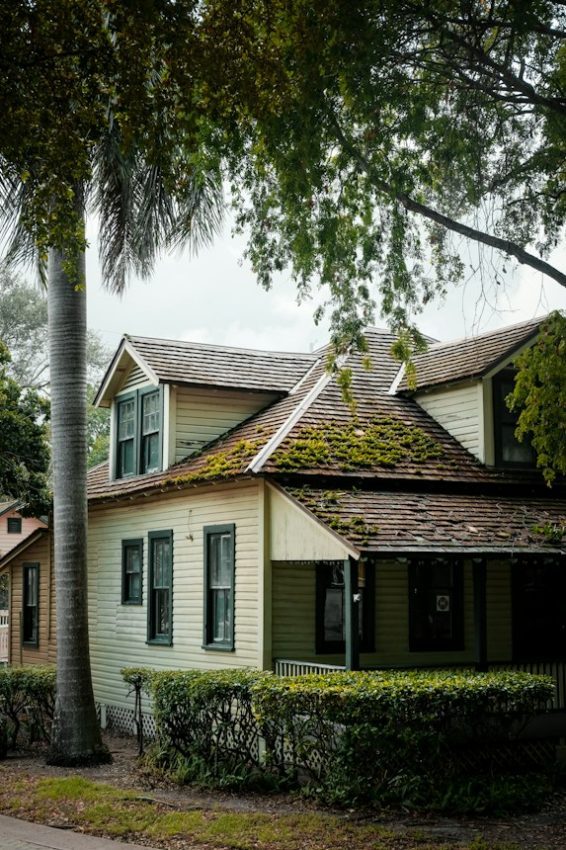
Houses built several decades ago were rarely constructed with the same moisture barriers, sealed foundations, or ventilation standards used in modern building. Basements in older Huntsville homes often lack proper vapor barriers, crawl spaces may have minimal insulation or airflow, and small gaps around pipes, sills, and foundation walls tend to accumulate over years of settling and minor repairs that never fully closed the original opening.
These conditions matter because house centipedes are fundamentally moisture-dependent. They require consistently damp environments to survive, and older structures simply hold onto humidity longer than homes built with contemporary moisture control in mind. A finished basement in a newer home might stay dry year-round thanks to a sump pump and vapor barrier, while a similar space in an older Huntsville property can stay damp enough to support centipede activity for months at a stretch, particularly during humid stretches of the year.
The Link Between Moisture and What Centipedes Are Actually Hunting
House centipedes aren’t drawn to a damp basement or bathroom for the moisture alone. They’re following food. These pests are predators, feeding on smaller insects and arthropods, including silverfish, spiders, cockroach nymphs, and various small flies, all of which tend to concentrate in the same damp, undisturbed spaces centipedes prefer.
This predatory relationship explains why centipede sightings often cluster in areas with broader pest activity rather than appearing in isolation. A basement with a healthy population of silverfish, drawn there by the same moisture conditions, effectively offers centipedes a reliable food source alongside the humidity they need to survive. Finding centipedes repeatedly in one part of a home is frequently a sign that smaller insect activity is already established nearby, whether or not that activity has been noticed directly.
Where Centipedes Tend to Turn Up in a Home
Basements remain the most common site for house centipede activity in older Huntsville homes, particularly unfinished basements with exposed concrete, minimal ventilation, and limited natural light. Crawl spaces present similar conditions, often with even less airflow and higher ground moisture than a basement above grade.
Bathrooms are the other frequent location, especially older bathrooms with less effective exhaust ventilation than current building codes require. Condensation around tubs, sinks, and toilets, combined with limited airflow, creates a localized damp pocket that can sustain centipede activity even in a home that’s otherwise reasonably dry. Laundry rooms and utility closets housing water heaters or washing machines round out the list, since these spaces combine plumbing, moisture, and often limited daily foot traffic.
Addressing the Common Question: Are They Actually Dangerous
Most homeowners encountering a house centipede for the first time want to know one thing above all else: whether it poses any real threat. This is a reasonable question given how alarming these pests look in motion, and it’s worth addressing directly. One practical question deserves a direct answer: are house centipedes dangerous in huntsville? The general answer is that house centipedes are not considered a significant danger to people. They can bite if handled or trapped against skin, and the bite may cause brief, localized discomfort similar to a bee sting, but they aren’t aggressive toward humans and don’t seek out contact.
Their actual role in a home is closer to incidental pest control than genuine threat, since they feed on other insects rather than on people, food, or structural materials. That said, their presence still signals something worth paying attention to, since a centipede sighting is often a downstream indicator of moisture problems or a smaller insect population that deserves its own attention.
Reducing Humidity to Make a Home Less Hospitable
Since moisture drives nearly everything about house centipede activity, addressing humidity directly tends to produce the most noticeable results. A dehumidifier running in a basement or crawl space during Huntsville’s humid months can bring relative humidity down to a level that discourages both centipedes and the smaller insects they prey on. Target humidity below 50 percent in these spaces makes a meaningful difference over a few weeks of consistent operation.
Checking for standing water is equally important, particularly in crawl spaces where poor grading or a missing vapor barrier can leave pooled moisture sitting for extended periods. Correcting drainage issues around a foundation, ensuring gutters direct water away from the house rather than toward it, and repairing any plumbing leaks feeding into a basement or crawl space all reduce the baseline moisture that sustains centipede-friendly conditions in the first place.
Improving Ventilation in Damp, Low-Traffic Areas
Ventilation works alongside humidity control rather than replacing it. Crawl space vents that have become blocked by vegetation, debris, or improper insulation installation should be cleared to restore intended airflow. In basements without natural ventilation, a small fan or dedicated exhaust system can help move stagnant, humid air out and encourage drier conditions overall.
Bathrooms benefit from consistent exhaust fan use during and after showers, run long enough to clear visible condensation from mirrors and tile rather than shut off immediately when the water stops. Older exhaust fans that have weakened over time or vent improperly into an attic space rather than outdoors are worth inspecting, since a fan that isn’t actually removing humid air provides little practical benefit despite running on schedule.
Sealing Gaps That Let Centipedes and Their Prey Move Freely
Physical entry points matter alongside moisture and ventilation, since even a well-managed humidity level won’t stop centipedes from entering if the structure offers easy access. A short list of checks covers most of what tends to develop in older homes over time:
- Inspect foundation walls for cracks or gaps around pipe penetrations, sealing anything visible with appropriate exterior-rated caulk
- Check basement window wells and frames for gaps that have developed as the structure has settled
- Look along baseboards in damp rooms for separation from the wall or floor, common in older construction as materials shift over decades
- Confirm crawl space access doors seal tightly and aren’t left ajar or improperly latched
Closing these gaps limits both centipede entry and the movement of the smaller insects they depend on, addressing the problem from two directions rather than one.
Checking for Related Pest Activity
Because centipedes indicate a food source nearby, finding one is a reasonable prompt to check for signs of the insects they’re hunting. Silverfish activity often shows up as small, irregular holes in stored paper or fabric, along with a fine, pepper-like residue in corners and along baseboards. Spider webs in undisturbed corners of a basement or crawl space suggest a broader insect population supporting them as well.
Addressing these underlying populations, alongside the moisture and ventilation improvements already covered, tends to reduce centipede sightings more thoroughly than focusing on centipedes alone, since removing their food source removes much of the reason they were drawn to the space in the first place.
Final Analysis
House centipedes showing up in an older Huntsville home rarely reflect a problem with the centipedes themselves so much as a set of conditions, persistent moisture, limited ventilation, and small gaps accumulated over decades, that happen to suit both the centipedes and the insects they prey on. Reducing humidity, restoring proper ventilation in basements and bathrooms, sealing structural gaps, and checking for related pest activity together address the actual causes rather than just the visible symptom. Older homeowners dealing with recurring sightings can generally expect meaningful improvement once these underlying conditions are corrected, since centipedes tend to move on once the damp, insect-rich environment they depend on is no longer available.