
Taking on a renovation project in an older home means confronting decades of wear, hidden repairs, and structural quirks that newer construction simply doesn’t have. While most homeowners focus on updated layouts, modern finishes, and improved energy efficiency, renovation also opens up a rare window into the parts of a house that are normally sealed away. Behind those walls and beneath those floors, older homes often reveal something homeowners didn’t expect: a surprising number of ways pests have been getting inside.
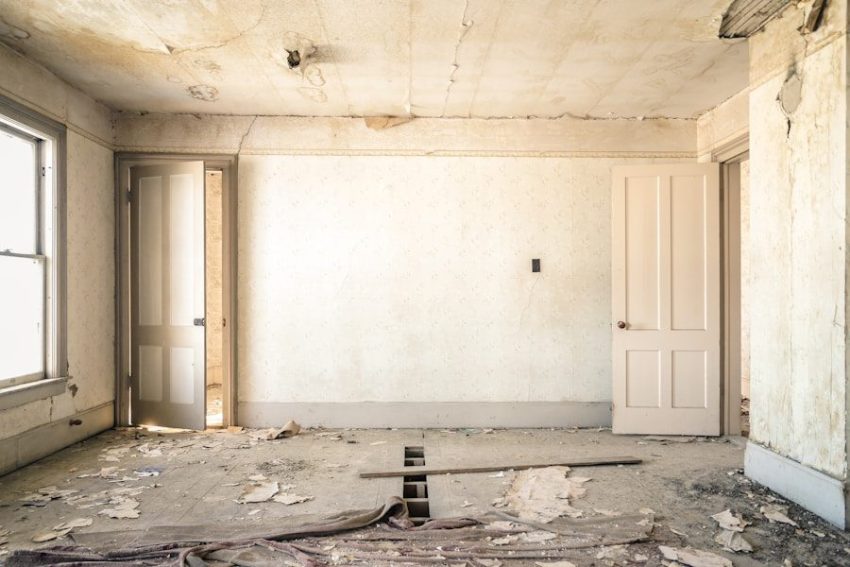
Understanding where these vulnerabilities come from, and how to address them during a renovation, can save homeowners from dealing with recurring infestations long after the drywall goes back up.
Why Age Works Against Older Homes
Every home settles over time. Foundations shift slightly, framing lumber contracts and expands with seasonal humidity changes, and materials that were once tightly fitted gradually loosen. In homes built several decades ago, this natural settling process has had far more time to create small separations around doors, windows, and foundation walls.
Previous repairs also play a role. Older homes frequently carry a patchwork history of plumbing updates, electrical rewiring, and HVAC modifications, each of which required cutting into walls, floors, or exterior surfaces. If those penetrations weren’t sealed properly at the time, they’ve likely remained open gaps for years. Combine this with decades of weather exposure, freeze-thaw cycles, and material degradation, and it becomes clear why older properties tend to have more potential entry points than newer builds.
Common Structural Vulnerabilities to Inspect
Renovation gives homeowners direct access to areas that are otherwise difficult to evaluate. Some of the most frequent entry points include:
- Cracks or gaps in the foundation, particularly where it meets siding or brick veneer
- Worn or missing weatherstripping around exterior doors
- Damaged or torn window screens
- Loose, warped, or missing siding panels
- Gaps beneath exterior doors where thresholds have worn down
- Openings along the roofline, including damaged fascia and soffit vents
- Unsealed spaces around plumbing, electrical, and HVAC penetrations
Each of these represents a potential access route for insects and rodents, and many go unnoticed until walls are opened or exterior materials are removed. For residents in the region, this is often where pest control becomes a relevant part of the renovation conversation, particularly when inspection reveals entry points that have clearly been active for some time.
What Renovation Reveals Behind Walls and Cabinets
One of the most valuable aspects of a renovation is the ability to inspect areas that are normally inaccessible. Behind baseboards, beneath cabinetry, and underneath old flooring, homeowners frequently discover signs of past or ongoing pest activity that would never surface during a routine walkthrough.
These hidden spaces can also reveal structural conditions that attract pests in the first place, such as water-damaged subflooring, gaps around plumbing stacks, or old insulation that has become compacted and moisture-retentive. Removing appliances and cabinetry during a kitchen renovation, for example, often exposes rodent pathways along baseboards or evidence of insect activity near dishwasher and sink plumbing lines. Addressing these conditions while the space is already open is far more practical than waiting until finishes are back in place.
This is also a point in the renovation process where many homeowners choose to consult Sandy Springs pest control professionals, especially if the evidence suggests activity beyond what a simple gap-sealing effort can resolve.
Moisture Problems That Invite Infestation
Moisture is one of the most consistent factors linked to pest activity in residential structures, and older homes are particularly susceptible. Leaking pipes, whether active or long since repaired, often leave behind deteriorated wood that becomes attractive to termites and carpenter ants. Poorly ventilated crawl spaces and attics trap humidity, creating conditions that support both insect activity and wood-destroying organisms.
Exterior drainage issues compound the problem. Clogged gutters that allow water to pool near the foundation, combined with inadequate grading or drainage systems, can saturate soil around the home’s perimeter. This consistent moisture softens foundation materials and creates ideal conditions for pests seeking both water and shelter. Renovation projects that include foundation work, crawl space encapsulation, or exterior grading improvements offer a practical opportunity to correct these underlying issues at the source.
Preventive Upgrades Worth Incorporating
Because renovation already involves opening walls, replacing materials, and updating systems, it’s an efficient time to build pest prevention into the broader scope of work. Practical upgrades include installing new door sweeps, replacing deteriorated weatherstripping, repairing or replacing damaged window screens, and improving attic and crawl space ventilation.
Sealing gaps around utility penetrations with appropriate materials, rather than temporary fixes, also makes a meaningful difference. Improving exterior drainage and repairing damaged siding or roofline components further reduces the number of accessible entry points once the project is complete. These upgrades don’t require significant additional cost when they’re planned alongside existing renovation work, and they address problems that would otherwise remain hidden for years.
Signs of Existing Pest Activity to Watch For
During demolition and inspection phases, certain signs indicate that pests have already established a presence rather than simply having potential access. Homeowners and contractors should watch for:
- Droppings near baseboards, in cabinets, or along wall cavities
- Gnaw marks on wood framing, wiring, or stored materials
- Damaged or hollow-sounding wood, particularly near moisture sources
- Nests within insulation, wall voids, or attic spaces
- Unusual musty or ammonia-like odors
- Discarded insect wings near windows or light fixtures
- Recurring sightings of pests in the same area over time
Recognizing these signs early allows homeowners to make informed decisions about how to proceed before finishes are reinstalled over an unresolved problem.
Final Analysis
Renovation offers a genuinely valuable opportunity to correct the structural conditions that make older homes vulnerable to pests, from sealing foundation cracks to improving ventilation and drainage. However, it’s important to recognize that structural repairs alone don’t guarantee the elimination of an existing infestation. If significant or recurring pest activity is discovered during a renovation project, particularly in older homes throughout Sandy Springs, Georgia, a professional assessment is often necessary to confirm the extent of the problem and determine appropriate next steps. Addressing both the structural vulnerabilities and any active infestation ensures that renovation work delivers lasting results rather than a temporary fix.