
More homeowners are welding in the garage than ever before. A basic flux-core machine now costs under $200, so small repairs and builds happen at home. That convenience brings a hazard most families overlook.
The arc from a welder can burn eyes from across a room. A set of welding curtain walls blocks that flash and catches flying sparks. This guide shows how to build a safe weld corner at home.
Why Does Home Welding Need a Safety Barrier?
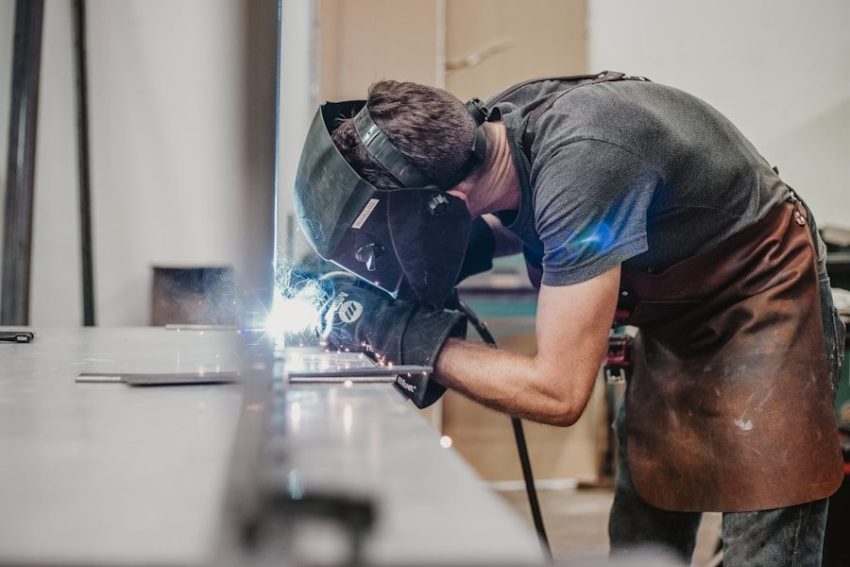
A welding arc throws intense ultraviolet and infrared light. Looking at it, even briefly, can cause arc eye, a painful burn to the cornea. Symptoms often show up hours later, and children face the highest risk. A single glance at 200 amps can be enough. The light travels in straight lines, so a solid barrier stops it cold.
Sparks are the second threat. Grinding and weld spatter can fly 6 to 10 feet from the work. Those hot bits land on cardboard, sawdust, or a fuel can and start a fire. Federal welding safety rules treat fire watch and shielding as basic steps. A home shop deserves the same care.
A barrier solves both problems in one move. It replaces the open sightline that lets flash reach the kitchen or driveway. It also forms a wall that hot metal cannot cross. That is why shops of every size rely on hanging panels rather than luck.
How Do Welding Curtains Protect Your Family?
A curtain wall does several jobs at once. Here is how each one guards the people nearby.
- It blocks arc flash. Tinted vinyl film stops the UV rays that burn unprotected eyes.
- It contains sparks. The fire-retardant fabric resists ignition and drops hot spatter to the floor.
- It divides the space. A hung panel keeps kids and pets on the safe side of the shop.
- It cuts glare for neighbors. An open garage door no longer flashes the whole street.
AKON builds these panels in tinted shades, so you can still see movement on the other side. That visibility lets you watch the door while you work. A solid wall would leave you blind to who walks in.
Where Should You Set Up a Home Weld Corner?
Pick a spot with a bare concrete floor and little clutter. An attached garage works if you clear a 10-foot zone around the machine. Keep the area at least 3 feet from any wood framing or drywall. A tidy garage workshop leaves fewer things to catch a spark.
Ventilation matters as much as shielding. Welding fumes carry metal oxides you should not breathe. Research from federal fume studies links poor airflow to lung irritation. Crack a window, run a fan, and point the exhaust away from the house.
Lighting and power round out a good corner. A bright work lamp helps you see the joint without leaning in. Run the machine on its own 20-amp circuit if you can. Loose extension cords across a busy floor invite trips and shorts.
Which Curtain Features Matter for a Garage?
Not every barrier suits welding. Look for these features before you buy.
- Fire-retardant vinyl rated to a recognized flame standard, not craft plastic.
- A shade-tinted film, usually shade 8 or 9, to cut the arc glare.
- Grommets or a roller track so panels slide open in seconds.
- Weighted hems that hold the fabric steady near a fan.
- A width that covers at least 2 sides of your bench.
AKON offers welding grades in green, olive, and bronze tints. A 6-by-8-foot panel suits most single-car bays. Frames on wheels let you roll the booth aside when the car needs the space. That flexibility is why a curtain beats a fixed wall in a shared garage.
What Habits Keep a Home Workshop Safe?
Curtains only work with good habits behind them. Always wear a proper helmet and gloves, even for a 2-minute tack weld. Keep a fire extinguisher within 5 steps of the machine. Wait 30 minutes after welding before you leave, since spatter can still smolder.
Tell the household when the shop is hot. A simple sign or a closed door warns kids to stay out. Sweep metal dust off the bench at the end of each session. Small routines like these prevent most home welding accidents.
Treat the barrier as one layer among many. Some DIY safety hazards hide until a spark finds them. Clear the floor, check the wiring, and store fuel outside. A weld corner built with care protects the whole family.
Weld Corner Safety Takeaways
- Arc flash burns eyes from across a room, so a tinted curtain stops it.
- Sparks can travel 10 feet, which means you shield the corner and clear fuel.
- Fire-retardant vinyl beats craft plastic near an open arc.
- Ventilate the space to keep welding fumes out of the house.
- Wait 30 minutes and keep an extinguisher close after each session.
Building a Safer Home Shop
A home welding setup does not need a full metal shop. A clear corner, good airflow, and a shielded barrier cover the basics. Add the right helmet and steady habits, and your family stays clear of the flash. Start small, weld safe, and grow the space as your skills do.
FAQ
Can a Welding Curtain Catch On Fire?
Quality welding curtains use fire-retardant vinyl that resists ignition. Sparks may mark the surface, but the fabric will not fuel a blaze. Craft plastic or a shower curtain is never safe near an arc.
What Shade of Curtain Do I Need?
Most home welders choose a shade 8 or 9 tint. That range blocks the harsh UV glare while letting you see motion. Match the shade to the amperage of your machine.
How Much Space Does a Home Weld Corner Need?
A single-car garage bay usually gives enough room. Keep a 10-foot clear zone and stay 3 feet from any wood. A curtain on two sides forms a compact booth.
Do I Still Need a Helmet With a Curtain?
Yes, always. The curtain protects bystanders, not the person holding the torch. Wear an auto-darkening helmet and gloves for every weld.