
Old houses have a way of teaching you patience. Original hardwood, plaster walls with real depth, doors that were built to last a century rather than a decade — these are the details that made you fall for an older home in the first place. They’re also exactly why retrofitting modern security into an old house takes more thought than it would in new construction, where an electrician can run wire through open stud bays without a second thought. Getting this right means respecting the bones of the house while still bringing it up to modern standards of protection.
The first challenge is almost always wiring.
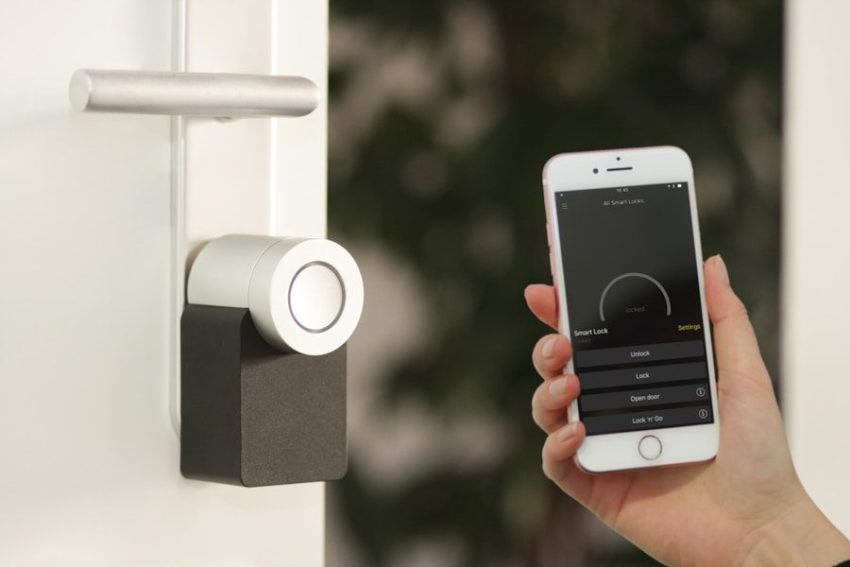
Older homes weren’t built anticipating cameras, sensors, or smart locks, and their walls often weren’t designed for easy access either — lath and plaster instead of drywall, balloon framing instead of modern platform framing, layers of old insulation that make fishing new wire a genuinely different job than it is in a house built last decade. This is where wireless and battery-powered security options have become such a practical fit for older homes specifically. Many modern systems no longer require the invasive wiring retrofits that used to make security upgrades in historic homes such an unappealing prospect, which matters enormously when you’re trying to avoid opening up plaster walls you’ve spent years restoring.
Door and window hardware present their own puzzle.
Original doors in older homes are often thicker, or oddly sized compared to modern standard dimensions, which means smart lock installation sometimes requires more customization than a straightforward swap. The good news is that many reputable installers now carry adapter kits and experience specifically with retrofitting historic hardware, letting you keep an original door and its character-defining details while still adding modern locking mechanisms. It’s worth asking directly about this experience before choosing an installer, since not every technician has dealt with hardware from a century-old build.
Camera placement in older homes benefits from the same instinct that guides good historic renovation generally: work with the architecture instead of against it. Deep porch eaves, transom windows, and substantial trim details that define many older homes often provide natural, discreet spots for security hardware that would otherwise look conspicuous mounted on a plain modern facade. A camera tucked under an original porch overhang or integrated near existing exterior lighting can do its job without disrupting the visual rhythm of a facade you’ve worked hard to preserve or restore.
For homeowners tackling this kind of project, working with a company that understands the added constraints of older housing stock makes the process meaningfully smoother. Homeowners researching san antonio home security options for a historic renovation project often find that local providers, familiar with the area’s mix of century-old and mid-century homes, bring a more practical sense of what retrofitting actually requires than a national chain unfamiliar with the local housing stock might offer.
There’s also a sequencing question worth thinking through if your retrofit is part of a broader renovation.
If you’re already planning electrical or plumbing updates that involve opening walls, that’s the ideal moment to also run hardwired security options where you want them most, even if you supplement with wireless devices elsewhere. Coordinating these projects together, rather than treating security as a separate later phase, tends to produce a cleaner result and avoids opening the same wall twice.
Ultimately, retrofitting security into an older home isn’t about choosing between historic character and modern protection — it’s about sequencing the work thoughtfully and choosing hardware and installers suited to the specific challenges an older structure presents. Done well, the security upgrades disappear into the house the same way good restoration work always does: present, functional, and quietly in service of the home rather than competing with it for attention. That balance is achievable in almost any older home, provided you plan for its particular quirks rather than assuming a modern installation playbook will translate directly.