
There is real charm in an older home, and a lot of it lives in the windows. Replacing them is one of the trickiest upgrades a period property can face, because comfort and character pull in opposite directions.
Homeowners want warmer, quieter rooms without stripping away the home’s soul. A specialist like Best Choice New England understands that balance, especially in a climate that tests every window. Here is how to replace windows in an older home the right way.
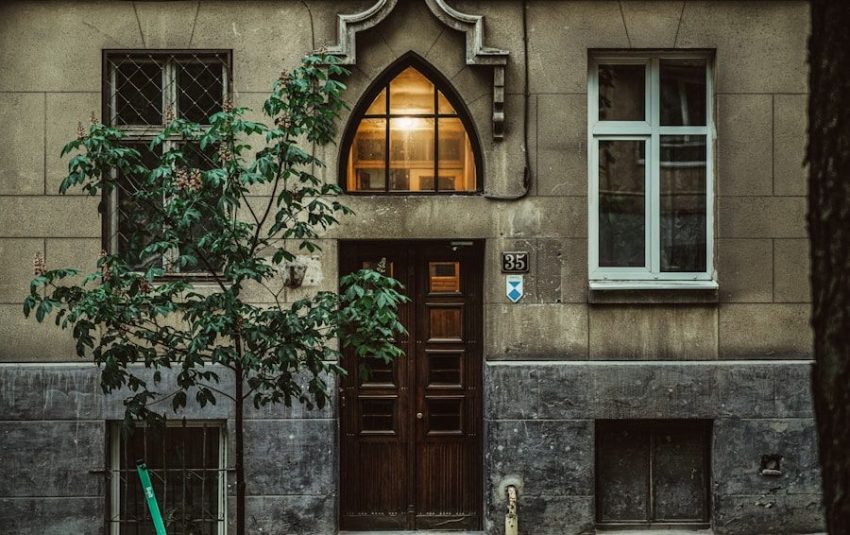
Why Are Older Homes Tricky for New Windows?
Because they were rarely built to modern, standard dimensions. Original openings are often irregular, settled over decades, and finished with details a stock window cannot match.
Character is the bigger challenge. The proportions, glazing bars, and timber of period windows define how a home looks, so a clumsy replacement can spoil the whole facade in an afternoon.
Then there is performance. Old single-glazed windows leak heat and let in draughts, yet the obvious fix, ripping them out for plain modern units, risks trading charm for a colder kind of comfort. The art is finding the middle ground.
So an older home asks more of the decision than a new build ever would. Both the look and the heat loss have to be solved together, not one at the expense of the other. Rushing the choice almost always shows, either in the energy bills or on the facade.
What Window Options Suit a Period Home?
More than the simple replace-or-keep choice many assume. The right answer depends on the home and your goals. The main options are:
- Sympathetic replacements. Modern windows styled to match the originals.
- Timber frames. Wood that suits a period look, with better glazing.
- Storm windows. A second layer that preserves original windows.
- Restoration. Repairing sound original frames rather than replacing.
- Custom units. Made to fit irregular, non-standard openings.
Each option weighs character, cost, and efficiency differently. There is rarely a single correct choice, only the one that best fits your home and budget.
The storm-window route is often overlooked. Fitting storm windows over sound originals can dramatically cut heat loss while keeping the historic glass in place.
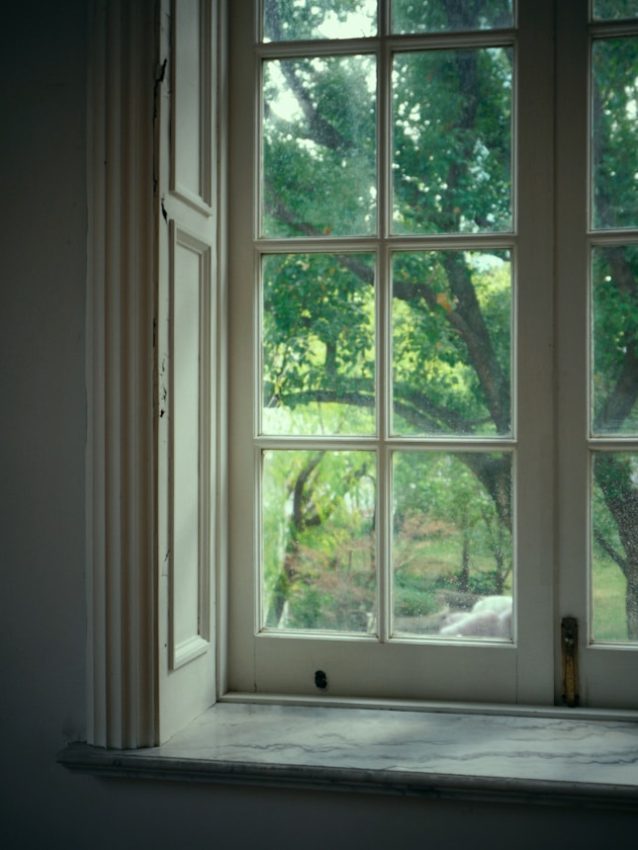
How Do You Keep the Home’s Character?
By treating the windows as part of the architecture, not just hardware. The goal is an upgrade nobody from the street would even notice.
Match the details first. The frame material, the glazing-bar pattern, and the proportions all matter, so choosing units designed to echo the originals keeps the facade honest.
Plan it as you would any sensitive project. The same care that goes into thoughtful renovation ideas elsewhere in the home applies doubly to windows, where one wrong choice is visible from the kerb for years. Where original frames are sound, repair often beats replacement.
So preserving character is mostly about restraint and detail. Modern performance and period looks can coexist when the choices are made with the house in mind. A good installer will happily talk through how each option affects the finished look.
What Should You Plan Before Replacing?
A few practical points that prevent costly mistakes. Older homes punish a rushed job. The numbers below help:
- Expect quality windows to last 20 years or more.
- Budget extra for custom, non-standard sizes.
- Get at least 3 quotes from experienced installers.
- Check local rules before altering 1 historic property.
- Plan the work outside the harshest winter weeks.
Those steps keep the project on track. The table below frames the key decisions.
| Factor | What to Weigh |
| Style match | Units that echo the originals |
| Material | Timber, clad, or composite frames |
| Efficiency | Better glazing without losing looks |
| Installer | Experience with older properties |
| Rules | Any local or conservation limits |
Each row protects both the home and your investment. Treating windows as one of the higher-value home improvements, and pairing them with sensible air sealing, gets the most from every dollar spent.
Before You Replace Old Windows
- Older homes rarely fit standard, off-the-shelf windows.
- Balance efficiency with the home’s original character.
- Consider storm windows or restoration, not just replacement.
- Match style, material, and proportions to the originals.
- Use an installer experienced with period properties.
Old Home, New Comfort
Replacing windows in an older home is a balancing act, but a rewarding one. Done thoughtfully, it brings modern warmth, quiet, and efficiency without erasing the character that made you love the place. Weigh your options, match the details, and choose an installer who respects period homes. Get it right, and you keep the soul of the house while finally banishing the draughts.
Frequently Asked Questions
Can You Put Modern Windows In a Period Home?
Yes, and many homeowners do. The key is choosing units designed to match the original style, with the right proportions and glazing-bar patterns. Modern materials and glazing can sit behind a traditional appearance, giving you better efficiency without spoiling the facade. Sympathetic replacements are made specifically for this purpose.
Are Storm Windows a Good Option for Old Houses?
Often, yes. Storm windows add a second layer over your existing windows, cutting heat loss and draughts while preserving the original glass and frames. For owners who want to keep historic windows intact, they are an excellent compromise between efficiency and preservation, and usually cost less than full replacement.
Should I Repair or Replace Original Windows?
It depends on their condition. Sound original frames, particularly quality timber ones, are often worth repairing and upgrading rather than replacing. Badly rotted or failing windows usually justify replacement with sympathetic units. An experienced installer can assess which approach makes more sense for your particular home and budget.
How Much Do Replacement Windows Cost for an Older Home?
More than for a standard new build, because period homes often need custom sizes and careful fitting. Costs vary widely by material, style, and the number of windows. Always get several quotes from installers experienced with older properties, and factor in that the right job protects both comfort and the home’s value. Spreading the work across phases can also make the budget easier to manage.