
Bringing home a new puppy is exciting, but it also comes with a long list of responsibilities. A little preparation before your puppy arrives can make those first few days far less stressful for everyone in the house. Instead of scrambling to buy supplies after the fact, you can focus on helping your new companion settle into a safe, comfortable environment.
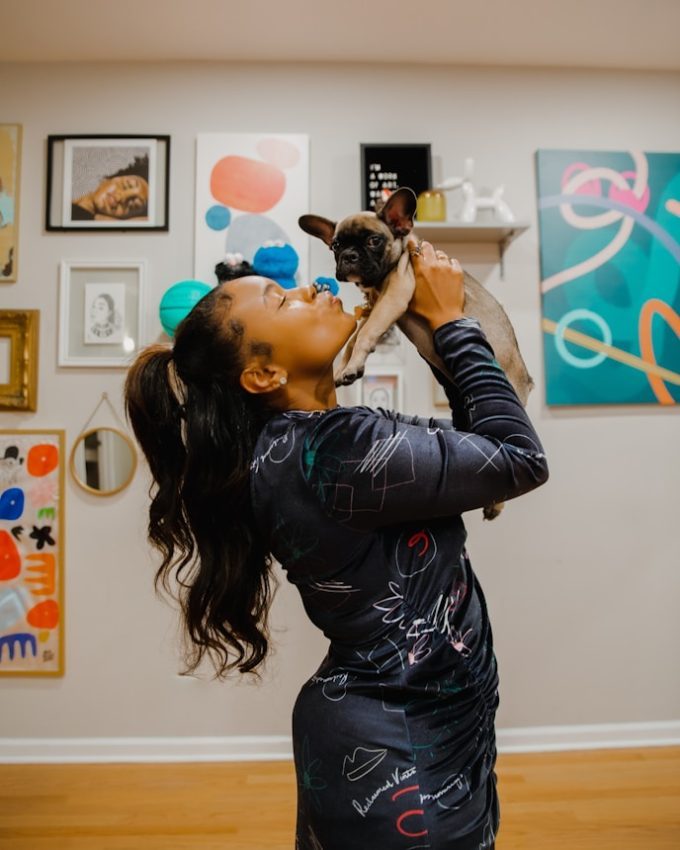
Whether you’re welcoming your family’s first dog or adding another furry member to the household, these ten essentials will help you create a home that’s ready for puppy life from day one.
1. A Comfortable Place to Sleep
Every puppy needs a quiet space where they can rest without constant interruptions. A properly sized dog bed gives your puppy a place to relax and helps establish a routine. Choose a bed that’s supportive and easy to clean, as accidents are common during the early weeks.
Place the bed in a calm area where your puppy can still feel part of family life without being surrounded by constant activity.
2. The Right Food and Feeding Supplies
Before your puppy arrives, ask the breeder or rescue what they have been eating. Changing food too quickly can upset a young dog’s stomach, so it’s usually best to make any transition gradually.
You’ll also need sturdy food and water bowls that won’t tip over during enthusiastic mealtimes. As your puppy grows, keeping a consistent feeding schedule helps establish healthy habits.
When you’re considering long-term meal options, it’s worth researching high-quality diets that match your dog’s age and nutritional needs. Some owners prefer fresh frozen meals because they offer convenient portioning and simple ingredient lists. For example, frozen dog food made by California Dog Kitchen is a perfect option to explore when deciding on the feeding approach that works best for your household and the veterinarian’s recommendations.
3. A Collar, Harness, and Leash
Even if your puppy won’t be going on long walks immediately, you’ll want these items ready from the start. A lightweight collar with an identification tag helps prepare your puppy for wearing everyday gear, while a properly fitted harness can provide better comfort during early training sessions.
A standard leash gives you control while introducing your puppy to the outdoors and practicing basic manners.
4. Puppy-Proofed Living Spaces
Puppies investigate the world with their noses and mouths, which means everyday household items can quickly become hazards.
Walk through your home from a puppy’s perspective. Store cleaning products securely, cover or organize electrical cords, remove toxic houseplants, and keep small objects off the floor. Children’s toys, shoes, and loose clothing should also stay out of reach until your puppy learns what belongs to them.
Installing baby gates can help limit access to certain rooms while your puppy adjusts to their new surroundings.
5. Safe Chew Toys
Chewing is a normal part of puppy development. Without suitable toys, table legs, furniture, and shoes often become the next choice.
Offer several types of puppy-safe chew toys with different textures to help satisfy natural chewing instincts. Rotating toys every few days can also keep them interesting and prevent boredom. Always inspect toys regularly and replace anything that becomes damaged.
6. Cleaning Supplies for Accidents
House training takes patience, and accidents are simply part of the process. Keep paper towels, washable cloths, and a pet-safe cleaner ready before your puppy arrives. Thoroughly cleaning accidents helps remove lingering odors that may encourage repeat mistakes in the same location.
Having these supplies close at hand makes cleanup quicker and allows you to get back to training without unnecessary frustration.
7. Grooming Basics
Even short-haired breeds benefit from regular grooming. Brushing introduces your puppy to being handled while helping remove loose fur and dirt.
Depending on your dog’s coat, you may also need a gentle puppy shampoo, nail clippers, and a soft brush. Starting these routines early often makes future grooming appointments much easier. Keep sessions short and positive so your puppy builds confidence over time.
8. Training Treats and Patience
Positive reinforcement works well when teaching puppies new behaviors. Small training treats allow you to reward good choices without interrupting the learning process.
Keep treats tiny so your puppy stays interested throughout multiple training sessions. Just as important, remember that consistency matters more than speed. Puppies learn at different rates, and short, regular practice sessions usually produce better results than long training marathons.
9. A Crate for Rest and Routine
Many families find that crate training helps with house training and provides puppies with a secure place to relax.
Choose a crate that’s large enough for your puppy to stand, turn around, and lie down comfortably. Add soft bedding if appropriate for your puppy’s chewing habits, and introduce the crate gradually using treats and praise. The goal is for the crate to become a positive space rather than a punishment.
10. Time and a Flexible Schedule
The final item isn’t something you can buy, but it’s one of the most important. Young puppies need regular bathroom breaks, socialization, playtime, training, and plenty of sleep. During the first few weeks, expect your daily routine to change. Planning for extra time at home allows you to supervise your puppy, reinforce good habits, and build trust from the beginning.
Family members should also agree on simple rules, such as where the puppy sleeps, whether they’re allowed on furniture, and which commands everyone will use. Consistency helps puppies understand expectations much faster.
Final Thoughts
Preparing your home before your puppy arrives creates a smoother transition for both your family and your new companion. With the right supplies, a safe environment, and realistic expectations, you’ll spend less time solving preventable problems and more time enjoying this exciting stage of your puppy’s life.
The early weeks set the foundation for years of companionship. A little planning today can help your puppy grow into a confident, happy, and well-adjusted member of the family.