
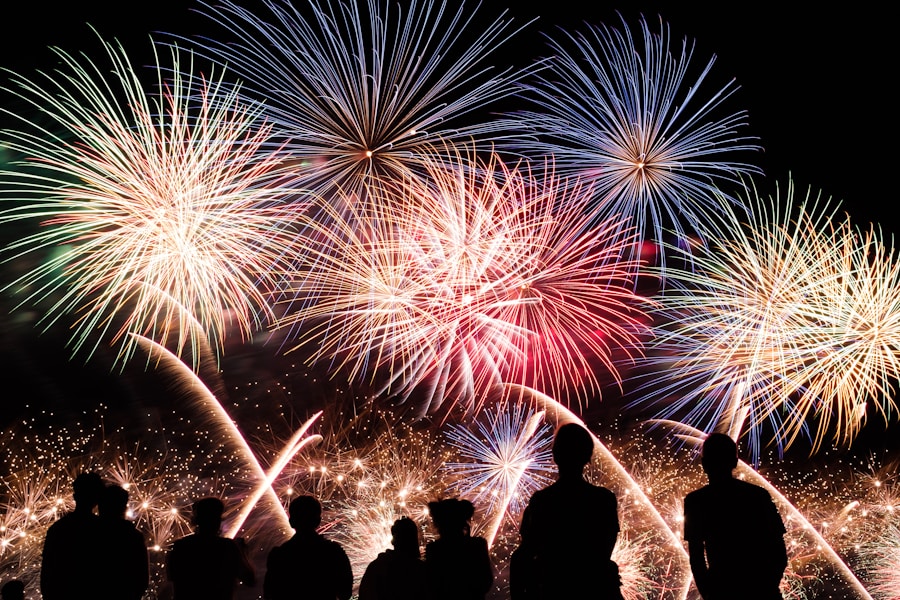
A memorable fireworks display isn’t just “a lot of bangs.” It’s pacing, contrast, surprise, and a sense of narrative—compressed into a few minutes of light and sound. Most people remember how a display made them feel: the hush before the first lift, the unexpected color change that got a gasp, the moment the finale seemed to fill the entire sky.
So what separates a good display pack from one people talk about for years? It comes down to a handful of practical choices that shape the experience from the first spark to the last ember.
Start With the Experience, Not the Shopping List
It’s tempting to evaluate a pack by how many items it contains or how high it claims to shoot. Those numbers matter, but they’re not the whole story. A display that feels “big” often earns that reaction through design principles you’d recognize from music or film: build, release, and a strong ending.
Before you pick anything, answer three questions:
Who is your audience?
A family garden gathering has different needs than a village event. Kids often love bright colors and clear, punchy effects; older audiences may appreciate longer hang-time and elegant shapes. If you’re near animals, hospitals, or noise-sensitive areas, you’ll want to dial in effect types and timing.
What’s your setting?
Your viewing distance, nearby buildings/trees, and wind exposure all change what looks impressive. In a tight space, rapid low-level effects can feel more immersive than a handful of very high bursts that disappear behind rooftops.
What feeling do you want?
“High-energy and loud” is one option. “Cinematic and layered” is another. “Classic and celebratory” works brilliantly for weddings and landmark birthdays. A display pack becomes memorable when it delivers a coherent vibe rather than a random sampler.
A Great Pack Has Structure: The Hidden Script
Think of a display pack as a ready-made setlist. The best ones are built with intentional pacing, where each segment earns its place.
The opening should invite attention
The first 20–30 seconds are about focus. You want effects that declare the show has started without blowing the budget or the loudest shells immediately. A clean opener might use:
- crisp comets or mines for “vertical punctuation”
- bright, readable colors (gold, silver, red) that pop early
- a short volley to gather the crowd without overwhelming them
The middle needs contrast, not just more
This is where many displays lose people. If every item is a similar cadence—one shot, one break, repeat—the audience’s brain adapts and excitement flattens. Contrast is your friend: switch from crackle to clean breaks, from fast sequences to slower “hang-time” effects, from straight-up lifts to wider-spreading patterns.
Around this point—once you’ve defined what kind of show you’re running—it can help to look at how reputable packs are grouped by scale and style. Browsing categories like large-scale fireworks assortments can be useful, not because bigger is automatically better, but because the composition tends to be designed with pacing in mind: openings, mid-show variety, and a finale that actually feels like an ending.
The finale is a promise you must keep
A weak finale retroactively shrinks the whole display. The best finales do two things at once: increase intensity and increase density. That might mean more simultaneous effects, faster firing, or bigger breaks—but ideally it’s also a shift in texture so it feels distinct from what came before.
A practical rule: save at least one “signature look” for the last minute. If everything is already at maximum from the start, you have nowhere to go.
Variety That Reads From the Crowd
Not all variety lands equally at typical viewing distances. Memorable packs include effects that are visually legible—clear shapes, strong colors, and patterns that don’t rely on subtlety.
Color discipline beats random rainbows
Color is emotional. Too many unrelated color changes can feel chaotic, especially if the pack isn’t designed to transition smoothly. A more intentional approach is to cluster color families (e.g., warm golds and reds) and then “reveal” a cooler moment (blue/purple) for contrast. Even casual viewers register that as sophistication.
Mix sound textures, but respect your surroundings
Sound is part of the memory, but it’s also the part most likely to cause problems. A well-built pack balances:
- deep, satisfying reports (used sparingly)
- crackle or fizz for texture
- whistles and rising tones for anticipation
If you’re in a noise-sensitive area, you can still create a powerful show by leaning into bright visuals, rapid low-noise sequences, and layered effects rather than relying on heavy concussion.
Timing, Transitions, and the “Dead Air” Problem
Nothing kills momentum like long gaps where the crowd wonders if it’s over. Even a two-second pause can feel like an eternity when everyone’s looking up.
A memorable pack usually avoids dead air through smart transitions:
Use “bridge” effects
Think of fountains, low-level fans, or quick comets as connective tissue. They keep the sky active while you move between bigger moments.
Avoid repeating the same cadence
If your show pattern becomes predictable—lift, break, silence—people mentally check out. Variation in rhythm is what keeps attention locked.
Plan for wind and fallout
Wind pushes effects and smoke. If smoke pools over your firing area, your next few items may be obscured. Packs that include mixed heights and angles tend to perform better in imperfect conditions because the show can “breathe” visually.
Practical Checks That Protect the Magic
A display can be artistically excellent and still fall flat if the setup undermines it. Here’s a short checklist that experienced organisers rarely skip:
- Sightlines: confirm the crowd can see above fences/trees; elevate low effects if needed
- Safety distances: match the product requirements to your space (don’t guess)
- Sequencing: keep items in firing order and label them clearly to prevent last-minute confusion
- Lighting control: reduce nearby floodlights so colors look saturated
- Communication: one person calls the shots; everyone else follows the plan
That’s it—one page of boring logistics that keeps the show feeling effortless.
The Real Secret: Make It Feel Personal
The displays people remember most often have a “story hook.” It might be as simple as timing the brightest segment to a toast, revealing a favorite color during a birthday chorus, or building the finale after a short, dramatic lull.
When a display pack supports those moments—through structure, readable effects, and reliable pacing—it stops being a box of fireworks and becomes an experience the crowd can relive in detail.
Memorable isn’t always maximal. It’s intentional. It’s the feeling that every burst belonged exactly where it happened—and that, for a few minutes, the whole sky was on your side.