
Older homes carry a personality that newer builds rarely replicate. From craftsman porches to colonial symmetry, every architectural detail tells a story about the era it came from. Yet the yards surrounding these homes often feel disconnected from how people actually live today.
That gap between character and function is exactly where contemporary landscaping fits in. Thoughtful outdoor updates can sharpen curb appeal and add everyday usability without stripping away the details that make a classic home worth keeping. The key lies in knowing which elements to preserve and which to rethink.
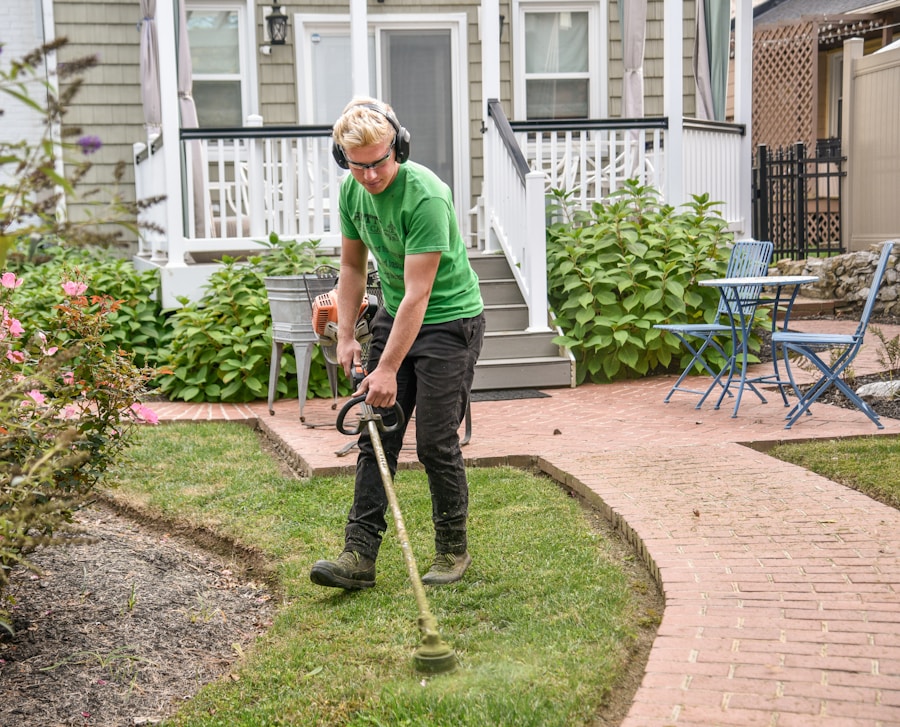
Why Contemporary Landscaping Works on Classic Homes
Contemporary landscaping works with traditional architecture because it follows principles of restraint. Clean lines and geometric shapes don’t compete with ornate facades. Instead, they create a visual frame that lets original details stand out.
Minimalism in planting beds and hardscaping draws the eye toward the home itself. A structured row of boxwoods against aged brick or a simple stone path alongside clapboard siding produces contrast that feels intentional, not forced.
The functional side matters just as much. Simplified walkways, defined outdoor zones, and low-maintenance planting areas improve how a yard is used daily without altering the home’s footprint. These are upgrades that serve real routines.
What ties it all together is proportion. The best results come from echoing the home’s existing materials and scale in the landscape design. A colonial with strong vertical lines, for example, benefits from tall ornamental grasses and narrow planting beds that mirror that rhythm. When approached this way, enhancing curb appeal becomes less about following trends and more about honoring what already works.
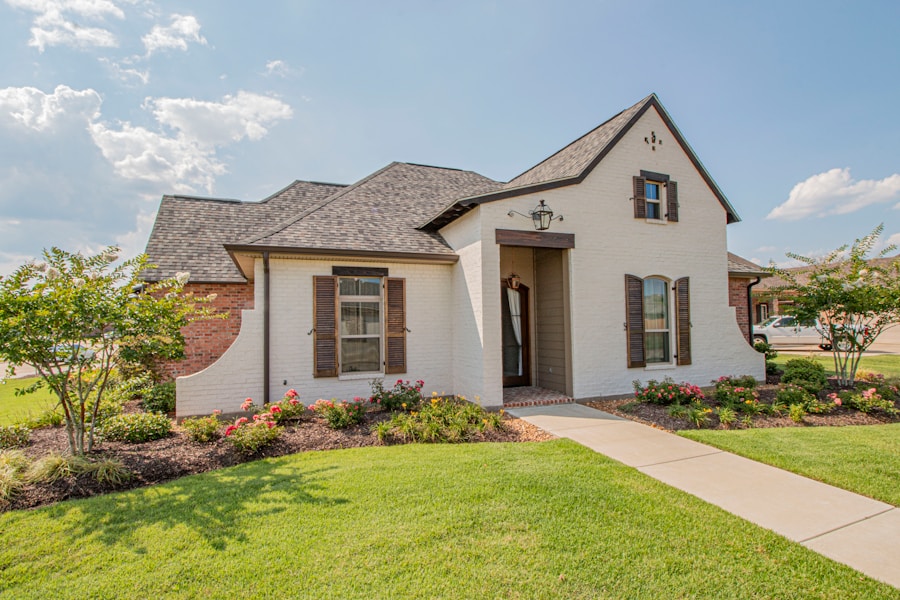
Materials and Hardscaping That Bridge Old and New
Choosing the right materials is where concept turns into something tangible. Every surface, border, and structural element either reinforces the relationship between a classic home and its updated landscape or quietly undermines it. The guiding principle is straightforward: select materials that echo the home’s existing palette or intentionally contrast with it, but never land somewhere in between.
Ground Surfaces and Walkways
Concrete pavers in large-format or linear patterns offer a clean, modern look that pairs surprisingly well with traditional brick or stone facades. The scale of the paver matters here. Oversized rectangles laid in a staggered bond pattern read as contemporary without feeling out of place next to older architecture.
Natural materials like flagstone or bluestone work as bridge elements. They carry a traditional warmth but can be set in tight geometric patterns with narrow joints to push the aesthetic forward. Walkway design should favor clean lines and minimal curves, creating a modern approach path that still respects the home’s facade.
Beyond traditional lawns, ground-cover alternatives have expanded considerably. Decomposed granite, gravel beds, and premium artificial turf products all deliver low-maintenance surfaces that reduce upkeep while keeping the yard looking intentional year-round.
Walls, Borders, and Edging
Retaining walls and raised bed borders introduce vertical structure to the landscape. Smooth-faced concrete or Corten steel panels add a distinctly modern edge that contrasts well against weathered siding or aged masonry.
The critical rule with hardscaping borders is deliberate contrast or deliberate matching. A smooth concrete retaining wall next to a rough-cut stone home creates tension that looks designed. However, the same concrete next to vinyl siding can feel random and unfinished.
Every material choice should look like a decision, not an accident. When borders and surfaces echo or intentionally play off the home’s existing palette, the entire landscape reads as one cohesive composition.
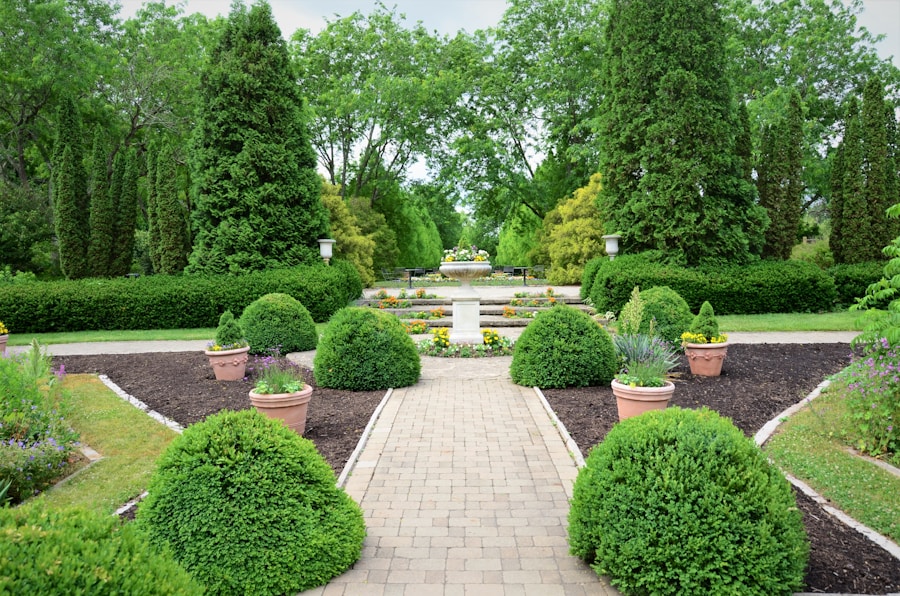
Planting for Clean Lines and Year-Round Structure
With hardscaping and surfaces setting the structural foundation, the living layer of the landscape carries the design forward. Plant selection is where a contemporary yard either holds together or drifts into visual noise.
Drought-tolerant plants and native plants do double duty in this context. They reduce water costs and ongoing maintenance while naturally lending themselves to the restrained, intentional look that modern design demands. Research on the sustainability benefits of native plant selections continues to reinforce what designers have observed in practice: these species thrive with less intervention and support local ecosystems at the same time.
Ornamental grasses deserve special attention. Unlike traditional foundation shrubs that sit heavy and static against a home, grasses introduce texture and movement. A sweep of blue fescue or maiden grass along a walkway reads as modern without competing with the architecture above it.
Arrangement matters just as much as species choice. Massed single-species blocks planted in geometric beds produce clean lines that reinforce the contemporary aesthetic. This approach avoids the scattered, cottage-garden randomness that can clash with structured hardscaping.
For year-round structure, evergreen plants serve as the backbone. Boxwoods, yews, or similar species hold their shape through every season and prevent the landscape from looking bare in winter. Layering heights ties it all together:
- Low ground cover along borders and pathways
- Mid-height grasses filling the middle plane
- Taller specimen plants anchoring corners or focal points
This progression creates depth and visual interest while maintaining the low-maintenance, sustainability-focused approach that keeps the design practical long after installation day.
Lighting and Outdoor Living Zones
A well-planted, carefully hardscaped yard still falls short if it can only be enjoyed during daylight hours. Lighting and zoned modern outdoor living spaces are the functional layers that turn a landscape into an extension of daily life.
Strategic outdoor lighting highlights architectural features of the classic home while drawing attention to modern landscaping elements after dark. Path lighting with linear fixtures reinforces clean lines along walkways, and low-voltage uplights placed at the base of specimen trees or textured walls add depth without visual clutter.
Fixture selection should lean simple and matte. Brushed bronze or flat black housings avoid competing with the home’s traditional details, letting the light itself do the work.
Beyond lighting, defined outdoor living zones make the biggest practical difference. A dedicated dining area, a lounging space with low seating, and a fire feature each carve out purpose within the yard. Even a modest geometric water feature can serve as a contemporary focal point that anchors a gathering area. The goal is usability, and every zone should feel intentional, connected to the next by consistent materials and sightlines that tie back to the home.
Phasing the Work Without Losing the Vision
Few homeowners can tackle an entire landscape overhaul in a single pass, and that is perfectly fine. What matters is working from a master plan created upfront so each phase builds on the last rather than producing a disjointed patchwork.
Hardscaping should come first. Walkways, patios, retaining walls, and borders define the spatial layout and are the most difficult elements to rework later. Getting these right early locks in the design’s structure.
Planting follows in the second phase, with structural evergreens and specimen trees taking priority over seasonal color. These anchor the composition while smaller perennials and ground covers fill in over time.
Lighting and finishing details round out the final stage. When each phase references the same contemporary landscaping plan, the result feels cohesive from the first shovel to the last fixture. A classic home updated this way doesn’t lose its identity; it gains a landscape that finally matches the care put into the architecture itself.