
The UK home furnishings sector has seen steady expansion in recent years, driven by shifts in consumer behaviour and renewed attention to interior comfort. According to Grand View Research, the UK home décor market is projected to grow at a compound annual rate exceeding 10% through the end of the decade, with textiles identified as one of the fastest-growing segments. Within this evolving landscape, Terrys Fabrics, a long-established independent retailer, operates at the intersection of affordability, accessibility, and product breadth, offering a case study in how traditional businesses adapt to modern retail expectations.
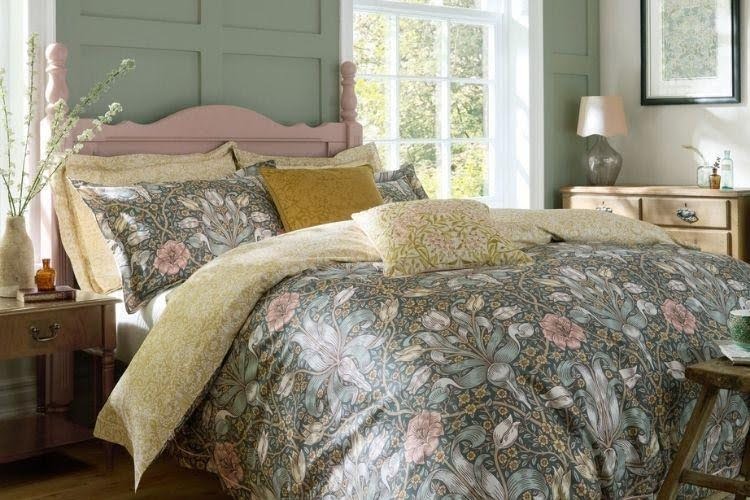
Founded in 1970 as a market stall business in Staffordshire, Terrys Fabrics has expanded into a multi-channel retailer with a warehouse in Stoke-on-Trent and a nationwide online presence. The company reports more than 55 years of trading experience and positions itself among the UK’s largest independent fabric retailers. Industry reports from IBISWorld and Mintel suggest continued demand for value-focused home furnishing retailers
Extensive Product Range Reflects Growing Demand for Textile Personalisation
One of the defining characteristics of Terry’s Fabrics is the scale of its product offering. The company stocks more than 4,000 fabrics, alongside ready-made curtains, blinds, bedding, cushions, and related homeware items. This breadth aligns with findings from Verified Market Research, which notes that the UK home textile market is expanding as consumers seek greater personalisation in interior design.
Industry commentary also suggests that soft furnishings have become central to how households express identity within living spaces. Ideal Home reports that fabrics and window treatments are increasingly used to introduce texture, colour, and individuality without requiring large-scale renovation. Similarly, Pinterest Predicts and Etsy trend reports point to a rise in demand for layered interiors and tactile materials, particularly in post-pandemic home environments.
Within this context, Terrys Fabrics’ emphasis on variety allows customers to select products that align with both aesthetic preferences and practical needs. The availability of made-to-measure options further supports customisation, addressing a market gap identified by Mordor Intelligence, which highlights the growing importance of tailored home solutions.
Competitive Pricing and Stock Availability in a Price-Sensitive Market
Pricing remains a central consideration for UK consumers, particularly amid broader cost-of-living pressures. Statista data indicates continued consumer spending on home furnishings, while Mintel reports increasing emphasis on value.
Terrys Fabrics operates within this price-sensitive segment by offering discounted products while maintaining a wide selection. The company states that it reviews pricing regularly and negotiates with suppliers to remain competitive. Its sourcing strategy includes both UK wholesalers and international imports, reflecting patterns outlined by IndexBox, which reports that the UK curtain market relies heavily on imported goods to meet demand.
Integration of Expertise and Made-to-Measure Services
While digital retail continues to expand, in-store expertise remains relevant, particularly for products requiring measurement and installation. Terrys Fabrics reports that its team brings more than 30 years of combined experience, offering guidance on fabric selection, sizing, and fitting.
This service-oriented approach reflects broader findings from Mintel, which emphasise the importance of knowledgeable staff in influencing purchasing decisions for higher-involvement products such as curtains and blinds. Consumers often require reassurance on measurements, fabric suitability, and installation processes, particularly when investing in made-to-measure items.
The company’s physical warehouse in Stoke-on-Trent allows customers in Staffordshire and Cheshire to access these services directly, while its online platform extends availability nationwide. According to 6Wresearch, demand for curtains and window coverings is increasingly linked to both aesthetic and functional considerations, including insulation and light control. Expert guidance, therefore, helps customers navigate these factors.
In parallel, digital tools are becoming more prominent in the sector. Terrys Fabrics has introduced a visualisation app designed to help customers preview products within their homes, reflecting a broader shift toward augmented retail experiences.
Logistics, Delivery Speed, and Customer Confidence
Delivery speed and reliability are key factors in online retail performance. Terrys Fabrics reports that orders placed before 2pm are processed within 24 hours, with next-day delivery available across the UK through courier partners. The company also offers a 28-day returns policy, providing flexibility for customers who may need to reassess purchases.
These operational features correspond with expectations identified by Deloitte and McKinsey, which note that convenience and low-risk purchasing conditions are increasingly important to consumers. Fast delivery and straightforward returns processes contribute to customer confidence, particularly in categories where visual and tactile qualities influence satisfaction.
The company’s e-commerce platform integrates secure payment systems and real-time stock updates, aligning with industry standards for online retail infrastructure.
Positioning Within Sustainability and Long-Term Consumption Trends
Sustainability has emerged as a significant consideration in the home furnishings sector. Deloitte reports that a growing proportion of UK consumers are actively seeking environmentally responsible products, while McKinsey highlights increased scrutiny of supply chains and product lifecycles. Media coverage in outlets such as The Guardian has also drawn attention to the environmental impact of “fast homeware,” encouraging more durable and considered purchasing decisions.
Within this context, products such as curtains and fabrics can play a role in longer-term consumption patterns. Unlike frequently replaced decorative items, textiles used for window treatments and upholstery often have extended lifespans. This aligns with consumer preferences for durability and practicality, as identified in Mintel’s homewares research.
Functional benefits also contribute to this positioning. Curtains with thermal properties, for example, can support energy efficiency by improving insulation. According to 6Wresearch, this dual role of aesthetics and functionality is shaping purchasing decisions in the UK market.
Outlook for Independent Retailers in a Competitive Sector
The UK home textiles market remains competitive, with a mix of large national chains, online platforms, and independent retailers. Reports from Euromonitor and Technavio indicate that growth will continue, supported by ongoing interest in home improvement and interior styling.
For independent businesses such as Terrys Fabrics, differentiation often depends on a combination of product range, pricing, and service. The company’s history, regional presence, and adaptation to e-commerce illustrate how traditional retailers can remain relevant in a changing market.
As the sector evolves, the integration of digital tools, efficient logistics, and personalised services is likely to remain central. Within this broader context, Terrys Fabrics represents an example of how established brands navigate shifting consumer expectations while maintaining a focus on accessible home furnishings.