
Most DIY projects sound fun in your head.
You imagine yourself painting and building something you’ll be proud of, and that will upgrade your home instantly. The idea itself is great. Unfortunately, the reality of DIY includes mess, pieces that are the wrong size, missing screws, and late-night runs to the hardware store. And after all that, you can still be left standing in the same spot for an hour trying to figure out why the drill bit won’t stay in place.
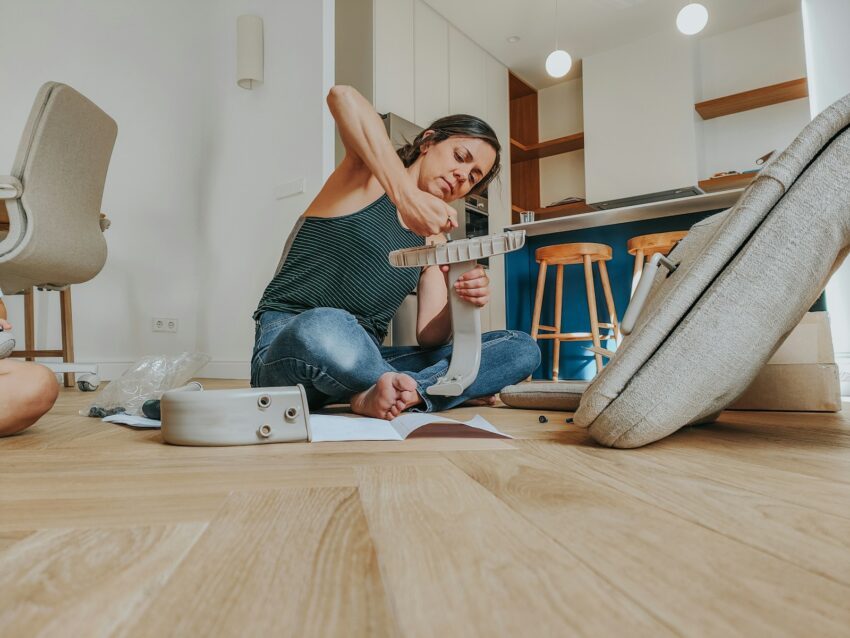
Nothing needs to go wrong for you to start stressing out. It’s the rush and the clutter that mess with your head, and the feeling that this should have been done by now. And once you reach that point, what was supposed to be a fun project is actually a chore. There’s nothing enjoyable about it anymore; you want it to be over.
Although this happens fairly often, DIY projects don’t necessarily have to turn into chaos.
Read on, and you’ll see how to keep it fun from start to finish.
Build a GOOD Base First
Most of the time, stress rears its ugly head before the project even starts properly.
It happens when your plan is fuzzy or when you jump in without actually knowing what this job needs. Be honest with yourself about the time you’ll need to get this done, and with just that one thing, you’ve already made things easier on yourself.
Also, think about how much it will cost and which materials you need to have on hand.
Another thing that’ll help is to pick up a project that works with your current skill level instead of forcing yourself to do something you’re not capable of doing, or that requires tools you’ve never used and can’t use safely.
You’ll want to break the project up into steps, or it’ll be overwhelming. Plus, finishing each step will give you a sense of accomplishment and keep your motivation up.
A clean, organized space makes a difference, too. Clear the room, set up lighting, and lay out the tools you’ll use. This’ll prevent you from having to make stops all the time, which means less frustration and fewer mistakes.
Most importantly, this will keep you safe(r). While DIY projects are supposed to be relatively safe in theory, they can be problematic in practice because people aren’t cautious enough and don’t use equipment properly. And it happens everywhere – look at all the multi-million-dollar table saw injury claims in Illinois, or ladder injuries in Texas, power-drill accidents in Ohio, etc. Sure, a lot of money was won for the victims by experienced and skilled lawyers.
But there are also SO many mistakes (and, consequently, injuries) that occur because people tend to rush and work in messy areas.
Manage Tools, Space, and Time Like a Pro
Every project will be a lot more enjoyable if your space supports what you’re trying to do instead of making things harder.
Here’s how to keep things enjoyable.
Keep Tools Close and Simple to Use
When the tools you need are right where you can grab them, you stay in a better rhythm.
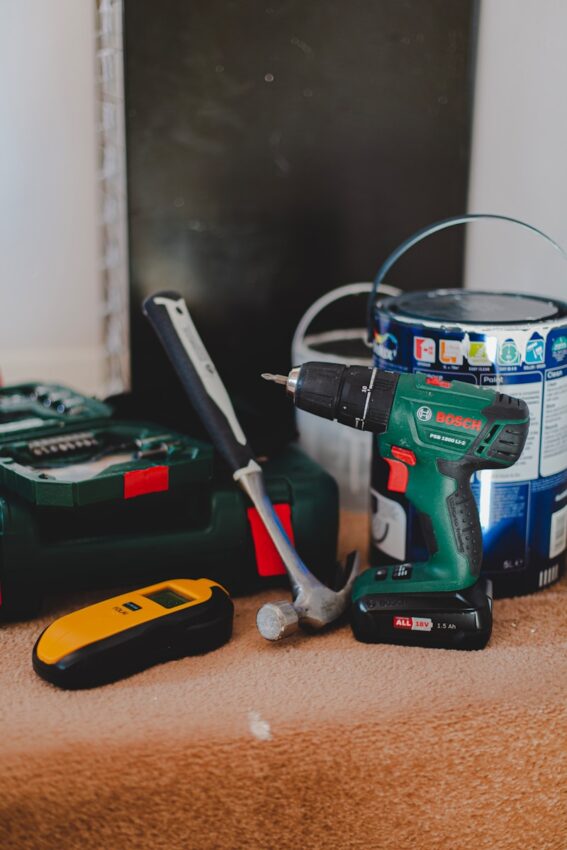
Lay out only the tools you’ll actually need and put the rest away to keep the area free of clutter. And, of course, to stop you from falling on your nose because you tripped on a random hammer.
It helps if you give everything its own home, whether that’s a wall hook or a toolbox. When you don’t have to dig around for every little thing, the project feels smoother and gets on your nerves a whole lot less.
Create an Open, Uncluttered Project Zone
When the space is open, and you can move easily in it, you work better.
A clean layout means you’re not bumping into anything and stepping over supplies, which keeps you focused on the project instead of the mess around you.
If you’re working on something that lasts for more than a day, simple stuff like tarps and drop cloths can keep surfaces clean and prevent the space from getting out of hand.
A clear area means a calm mindset.
Build in More Time Than You Think You Need
Think you’ll only need 3 days for this? Make it 4.
Everything’s easier when you don’t rush. Rushing is what causes crooked cuts, bad paint lines, skipped steps, and even missing fingers.
Give yourself extra time to measure everything properly, let things dry completely, take breaks, and clean up without putting unnecessary pressure on yourself.
Conclusion
Sometimes, a DIY project feels like a battle between you and lumber.
Other times, it feels fun and relaxing. What is the difference between these two? Common sense and proper setup. Keep things neat and don’t do anything that’s above your skill level, and you’ll do fine.
The reason why you’d even give DIY a try is that you want to do something nice for your home, but you also want to feel good doing it.
And that’s not easy if you need to rush and if you’re struggling with tools you’re seeing for the first time.