
Older homes have a lot of character, but they also come with challenges, especially when it comes to maintaining a consistent indoor temperature. Many homeowners deal with high energy bills, constant drafts, or rooms that never seem to stay warm. These problems are often tied to outdated or missing insulation.
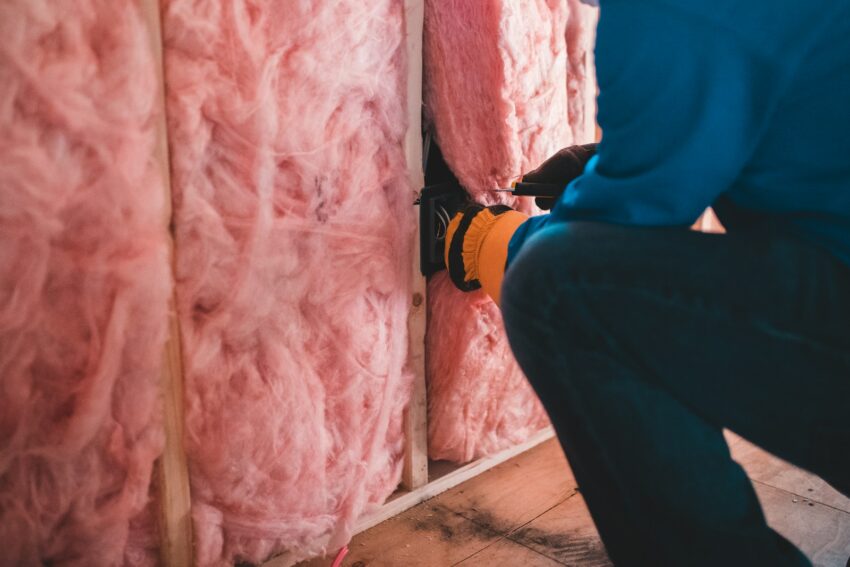
Unlike modern construction, older homes were not built with energy efficiency in mind. Walls may lack insulation altogether or contain materials that no longer perform well. This can lead to uneven temperatures, moisture buildup, and added strain on heating and cooling systems. While exterior insulation is an option, it’s often impractical for homes with original facades or architectural details homeowners want to keep intact.
Interior insulation provides a workable solution. It improves thermal performance without altering the home’s appearance. For anyone dealing with a drafty or inefficient space, learning how to insulate from the inside is a valuable step toward comfort and energy savings.
Why Traditional Insulation Isn’t Always Enough
Insulating an older home often presents unique challenges. Traditional methods like fiberglass batts or blown-in cellulose, while effective in newer construction, can be less successful in older buildings.
Many homes built before the 1950s have solid brick, stone, or plaster-and-lathe walls with little or no cavity for standard insulation. Where cavities do exist, they may contain outdated materials that have broken down over time. Even newer additions might have irregular framing or poorly sealed gaps.
Moisture is another major concern. Older homes often have porous building envelopes, which allow damp air to move through walls. Conventional insulation can trap moisture, leading to mold or structural damage. These materials are also prone to settling, which reduces their insulating power.
Thermal bridging is a further issue. Heat passes easily through studs and framing, bypassing insulation and creating cold spots. This weakens the entire wall system.
A better understanding of how insulation works can help homeowners make smarter choices. Systems that account for moisture, air sealing, and continuous coverage offer better long-term results.
Understanding Continuous Interior Insulation
Continuous insulation creates a full thermal barrier across the wall surface, eliminating gaps and minimizing cold spots caused by traditional framing. Rather than fitting insulation between studs, this method covers the entire wall, improving energy performance and reducing air leaks.
This approach is especially useful in older homes, where irregular framing and historic finishes make standard methods less effective. By insulating from the inside, homeowners can protect interior spaces without altering the home’s exterior or removing original materials.
One of the most effective solutions for this type of upgrade is the InSoFast insulation system. It combines rigid foam insulation with integrated air and moisture control layers and built-in attachment points for wall finishes. Panels can be installed directly onto existing surfaces using adhesive or fasteners, making them a good choice for both DIYers and professionals.
The interlocking panels help maintain alignment and seal gaps, while built-in drainage channels and furring strips simplify the finishing process. This makes the system suitable for basements, above-grade walls, and even garage conversions—any area where space is limited, and performance is critical.
For older homes, continuous interior insulation provides a streamlined, high-performance alternative to traditional methods.
Planning Your Interior Insulation Project
Proper planning is key when insulating from the inside. Begin by identifying priority areas—typically basements and exterior-facing walls, which are often the largest sources of heat loss.
Next, assess the current wall conditions. Look for signs of water damage, crumbling plaster, or structural issues. These problems should be addressed before insulation is installed. Moisture control is especially important in older homes to prevent mold and trapped moisture.
Measure your space and note any features, such as electrical outlets, piping, or switches. Most modern insulation panels are designed to accommodate these elements, but knowing the layout helps minimize cutting and ensure efficient use of materials.
Think ahead about how you’ll finish the walls. Many systems allow you to apply drywall or other coverings directly to the panel surface, reducing the need for additional framing. This is helpful in small spaces or where preserving square footage is important.
With careful preparation and the right materials, interior insulation can be a manageable and rewarding project for homeowners.
Installation Tips for DIY Success
While modern insulation systems are designed to simplify installation, success depends on a few key practices. Clean, dry walls are essential. Remove any debris or dust before applying adhesive or starting mechanical fastening.
Begin installation at the bottom of the wall and make sure your starting row is level. Interlocking panels will fit together more precisely when the base is aligned correctly. Press each panel firmly into place and check that seams are tight.
When cutting panels for corners or obstructions, measure carefully and pre-cut to fit. Use a utility knife or saw as needed. Once in place, seal all seams with tape or caulk to prevent air infiltration and moisture intrusion.
Some systems include integrated furring strips, allowing direct attachment of wall finishes such as drywall or paneling. After installation, many homeowners choose to personalize their rooms with creative wall decor ideas, bringing style and function together in newly insulated spaces.
These steps help ensure the insulation performs effectively while delivering a smooth, attractive final result.
Why Interior Insulation Is Ideal for Old Homes
Interior insulation allows you to upgrade comfort and efficiency without changing your home’s exterior. This is especially important for historic properties where preservation is a priority or where local regulations limit exterior alterations.
By working from the inside, homeowners can maintain original siding, brickwork, and architectural features. Interior systems are also more flexible, allowing upgrades to be done one room at a time, rather than through an all-at-once renovation.
Moisture control is another major benefit. Many systems include built-in barriers that prevent condensation and reduce the risk of mold. Combined with proper sealing and finishing, this creates a healthy, durable wall assembly that improves indoor air quality and comfort.
For older homes, interior insulation offers a way to modernize without compromise. It respects the structure’s character while delivering measurable performance improvements.
Conclusion
Insulating an old home from the inside is a smart and effective way to boost comfort, lower utility costs, and extend the life of the building. It addresses long-standing problems like drafts and moisture without requiring invasive exterior work.
Modern systems make the process easier, especially for homeowners managing renovations themselves. With proper planning and the right materials, you can upgrade your living environment while preserving the features that make your home unique.
Taking the time to do it right results in lasting benefits and a more enjoyable place to live.