
Short hairstyles already draw attention, but glossy short hair extensions can take that natural shine to another level. They add volume, depth, and light reflection that make every strand look healthy and smooth. The key to choosing the right glossy short hair extensions is to match the natural texture, color tone, and level of shine so the result looks seamless and balanced.
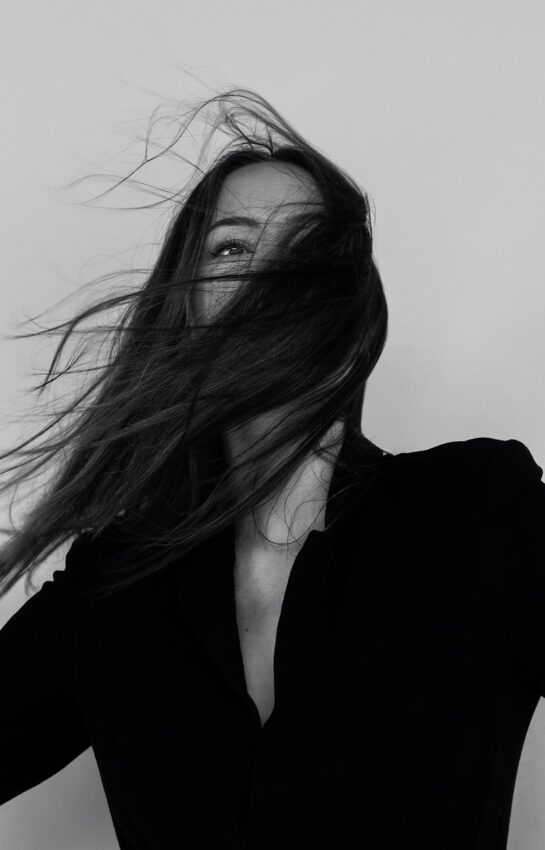
Each hair type reflects light differently, so the right extension finish matters as much as the color. Selecting extensions that mimic the way natural hair catches light creates a uniform, natural effect. If the gloss looks too flat or too reflective, it can make even the best blend stand out for the wrong reasons.
A smart match goes beyond surface shine. It includes shade depth, strand density, and hair movement that aligns with the natural cut. Once the extensions match these elements, they blend smoothly and reflect the same glow as the natural hair, creating a polished, even finish that appears effortless.
Choosing the Perfect Glossy Extensions for Short Hair
Achieving a smooth shine and natural blend begins with understanding how length, color, and hair type affect the final look. The right extensions must match both texture and light reflection to create a seamless finish that mirrors natural hair.
Understanding Extension Types for Short Hair
People with short hair benefit from extensions that attach easily and sit close to the scalp. The most common forms include clip-ins, tape-ins, and microlink extensions. Clip-ins work best for temporary style changes, while tape-ins provide a flatter, more permanent look for daily wear. Microlink extensions grip securely but require professional installation to prevent visible seams.
Shorter natural hair, between three and five inches, usually handles lightweight extensions better. Heavy strands may pull on the roots or look uneven. Those looking for added movement may prefer glossy short hair extensions with a soft sheen that reflects light naturally.
A key detail to remember is placement. Installing sections in layers under the top hair helps conceal attachment points. This method produces smoother coverage and prevents visible bulk near the crown or sides.
How to Color Match Extensions to Natural Hair
Matching the color correctly determines how natural the final look appears. Minor mismatches between shades can cause dullness or a harsh line of separation. Natural hair rarely holds one solid color, so selecting extensions with slight tone variation often creates the best result.
To match accurately, people can compare under natural light rather than indoor lighting, which distorts shade perception. Warm tones, such as honey or chestnut, blend well with brunette shades, while cool undertones pair better with ash or platinum hues.
A quick test involves holding an extension close to the mid-length of natural hair rather than the root. Since sunlight alters root appearance, choosing a tone closer to mid-length offers a more balanced finish. Keeping color depth consistent throughout gives short glossy hair a uniform reflection that complements shine.
Selecting Human Hair Extensions for a Natural Shine
Human hair extensions provide a softer, more natural luster than synthetic options. They respond well to styling tools, hold moisture longer, and reflect light in a way that mimics real hair. High-quality human hair also feels smoother to the touch and blends effortlessly with short styles.
It helps to look for extensions labeled as Remy or virgin hair. These types maintain the hair’s cuticle alignment, which prevents tangling and promotes a consistent glossy layer. Non-Remy or processed hair may look shiny at first, but loses that sheen after a few washes.
People who regularly use heat tools can lightly flat iron both hair and extensions together. This balances texture and adds uniform reflection across layers. Finishing with a small amount of lightweight serum or natural oil improves the gloss without adding weight to short strands.
Blending Extensions Seamlessly with Short Hair
A smooth and natural blend between short hair and glossy extensions depends on placement, styling, and finish. The right setup, careful blending, and balanced shine create a consistent texture that matches the natural movement of real hair.
Placement Techniques for a Flawless Natural Look
Proper placement hides the transition line between short hair and the extension wefts. Stylists usually start from the lower sections of the head and work upward, placing shorter wefts close to the nape for better coverage. Closer spacing between rows helps fill gaps and prevents sharp contrasts.
Layering multiple wefts, sometimes called the stacking method, adds fullness and conceals shorter layers underneath. The method works best for blunt or thick haircuts that reveal visible edges. Tapering the hair near the crown softens weight lines and keeps extensions from appearing bulky.
Color and texture matching further support the natural look. Shades should include subtle highlights that imitate how natural hair reflects light. Smooth placement and accurate color blending create a seamless finish that moves naturally under different lighting.
Blending Extensions with Styling and Cutting
The cut and style make or break the final appearance. A stylist often trims the extensions after installation, shaping the ends to merge with the haircut. Slight feathering or point-cutting removes harsh lines and keeps hair from forming a step between natural and added length.
Heat styling tools can help match the shape and texture. Soft curls or waves create movement that hides any difference in length or thickness. Straight looks need more precision, so the cut around the perimeter must align exactly with the natural hairline.
Balanced styling also preserves gloss. Light tension with the brush and moderate heat prevent dullness and friction. Proper technique maintains smooth texture from root to tip, keeping the style sleek and believable.
Maximizing Gloss and Shine in Your Extension Blend
Glossy short extensions must match the natural shine of the base hair. A mismatch in luster makes the blend appear uneven. To avoid this, both hair types should receive equal care through gentle cleansing and conditioning.
Use lightweight serums to add smooth reflection without buildup. Heavy oils can separate strands and reduce movement, while a water-based formula keeps the finish clean. Equal distribution of shine products across the head prevents areas of dullness or extra shimmer.
Color selection also influences light reflection. Extensions with blended highlights produce dimension similar to natural hair. As a result, the entire style reflects light evenly, giving the appearance of healthy, radiant hair that moves as one uniform piece.
Conclusion
They should base their choice on accurate color matching, texture, and gloss levels that reflect their natural shine. A realistic match helps the extensions blend smoothly for a polished appearance without drawing unwanted attention.
Testing strands in both natural and indoor light helps reveal the true tone and luster of the hair. Small variations in light can change how color and shine appear, so viewing from multiple angles makes the match more dependable.
Professional advice can also prevent mistakes with shade or texture. A stylist’s trained eye can guide placement and finish so the final look appears balanced and natural.
By focusing on texture, shade accuracy, and the right amount of gloss, individuals can select short extensions that look authentic and maintain healthy shine. These careful choices create a neat, confident style that feels like their own hair.