
Your windows do more than let in light. They shape how your home looks from the street. And when it comes to curb appeal, exterior shutters play a bigger role than most people expect. They frame your windows, balance your façade, and signal your home’s personality before anyone steps inside.
Still, choosing the right shutters isn’t as simple as picking a color and calling it done. Style, size, material, and placement all matter. When these details line up, shutters feel intentional. When they don’t, the whole exterior feels off. This guide helps you make choices that work together, so your shutters look right and last.
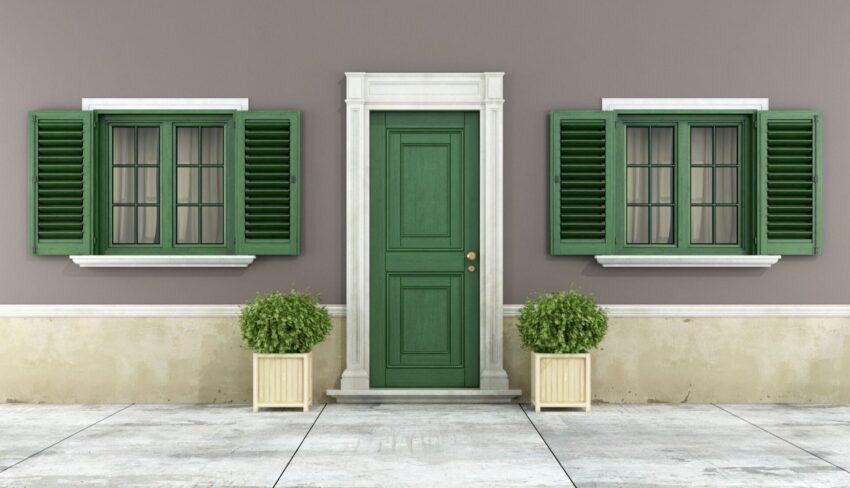
Understand the Purpose of Exterior Shutters
Before you think about color or material, get clear on purpose. Exterior shutters fall into two broad categories: decorative and functional.
Decorative shutters focus on appearance. They add symmetry and visual interest but don’t move or close. Functional shutters can open and shut, offering privacy, shade, and protection.
If your home faces direct afternoon sun, shutters can help reduce heat buildup and glare. In that case, operable shutters that support light control make more sense than fixed ones. If your goal is purely visual balance, decorative shutters may be enough. Knowing this upfront keeps you from paying for features you won’t use.
Match Shutter Styles to Your Home’s Architecture
Shutters should reflect your home’s design. When the style fits, the exterior looks unified. When it doesn’t, shutters can feel out of place.
Here’s a quick guide to find shutter styles that work with your home’s architectural features:
- Colonial: Raised panel or louvered shutters match the symmetry and formal lines of this classic style.
- Cape Cod: Board-and-batten or simple louvered shutters suit the clean, balanced look of these modest homes.
- Mediterranean or Spanish-style: Solid panel or Bahama shutter designs work well with arched windows and stucco finishes.
- Modern: Flat panel shutters with minimal hardware keep the lines clean and support contemporary architecture.
- Farmhouse or cottage: Board-and-batten shutters add charm and texture without overwhelming the façade.
If your home doesn’t fit a single architectural style or includes a mix of design elements, custom exterior shutters can help tie everything together. Specialist manufacturers can match decorative features and adjust proportions to reflect your existing trim. These tailored solutions bring visual consistency to the curb-facing side, especially when off-the-shelf options fall short.
Choose the Right Shutter Material
Material affects appearance, strength, and maintenance needs. Each option comes with trade-offs, so it’s important to choose what fits your home and lifestyle best.
- Wood shutters: Bring depth and authenticity. They’re a natural fit for historic or traditional homes, especially when you want visible grain and character. They do require upkeep, but many homeowners see that as part of the appeal.
- Vinyl shutters: Work well for decorative use. They resist moisture and don’t need painting, which makes them a practical option for busy households.
- Composite shutters: Balance looks and longevity. Composite materials mimic wood while resisting rot and insects, making them a reliable choice in mixed climates.
- Aluminum shutters: Suit modern homes and coastal regions. They’re sleek, strong, and hold up well against salt air.
Not all materials hold up the same over time. To keep shutters looking good with minimal upkeep, choose options known for durability and resistance to wear.
Get the Size and Fit Right
Proportion matters more than people realize. Shutters should appear wide enough to cover the window if closed. That visual cue is what makes them feel authentic.
Measure the height and width of each window, not just one. Homes often have subtle variations. Shutters that are too narrow can seem out of place, while shutters that are too short break the vertical lines of your exterior.
Correct sizing creates balance and keeps your shutters from looking like stickers on the wall.
Pick a Color That Complements Your Exterior
Color choice affects mood and longevity. High-contrast shutters draw attention. Low-contrast options blend in and feel calm.
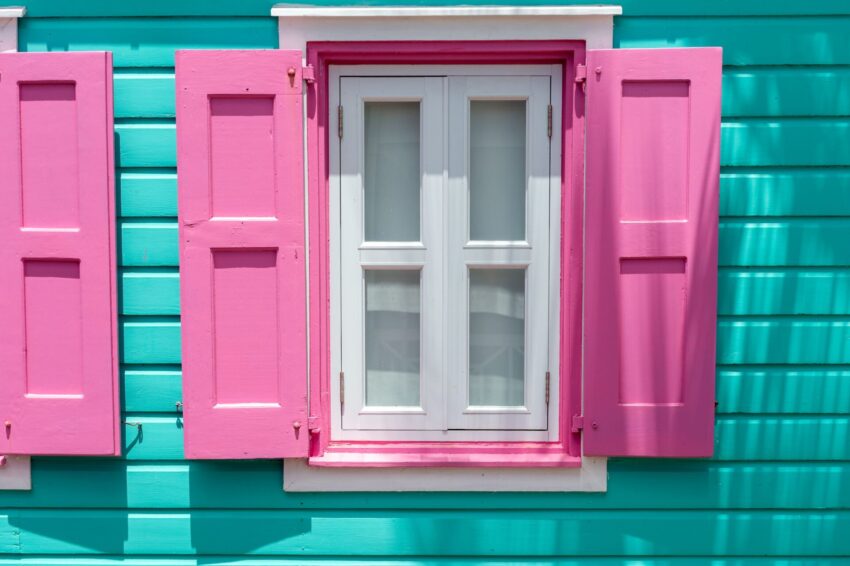
Dark shutters on light siding create definition. Muted tones paired with natural materials feel grounded. Some homeowners opt for a custom color to match trim or architectural details exactly, which can unify the exterior without standing out too much.
Think beyond trends. Colors that feel grounded tend to age better and appeal to future buyers.
Factor in Your Climate and Region
Climate plays a direct role in how well shutters perform over time, making environmental conditions an important factor in material and construction choices.
- Humid areas: Moisture resistance matters to prevent warping, swelling, and mold caused by prolonged exposure to damp air.
- Coastal regions: Corrosion resistance is critical due to salt exposure and constant moisture, which can quickly degrade untreated hardware and finishes.
- Colder climates: Shutters must handle repeated expansion and contraction without cracking as temperatures fluctuate.
Accounting for climate upfront helps ensure shutters remain functional and visually consistent for years to come.
Think About Hardware and Finishing Touches
Hardware completes the picture. Hinges, shutter dogs, and holdbacks add depth and realism.
Traditional homes benefit from visible hardware that reinforces classic styling. In contrast, modern homes often look better with subtle or hidden hardware that keeps lines clean.
Hardware shouldn’t overpower the shutter. It should support it.
Set a Realistic Budget
Shutter costs vary depending on the material, size, and level of customization, and installation and hardware add to the total. Considering long-term value is important because spending more upfront can reduce the need for repairs and replacements later.
Focusing your budget on quality where it matters most helps ensure lasting performance without overspending.
Don’t Skip Maintenance Considerations
Every shutter requires some level of care, and the amount depends on the material. Wood shutters need periodic sealing or repainting to protect them from the elements, while vinyl typically only requires routine cleaning. Composite and aluminum shutters generally need occasional inspections to stay in good condition.
Choosing a material that matches the level of upkeep you’re willing to handle helps prevent unnecessary maintenance over time.
Final Thoughts
Exterior shutters should feel like a natural extension of your home. When proportion, material, and color are thoughtfully chosen, they create a sense of balance and harmony.
Carefully consider your home’s architecture and environment, and focus on fit rather than fleeting trends. The right shutters will do more than enhance your windows. They’ll give them character and presence.