
A lot of pools start the same way. Big ideas, clean renderings, maybe a few screenshots saved from places you’ve never actually been. And for the first year or two, everything feels great. The water looks good. The system runs smoothly. You’re convinced you made all the right choices.
Then time kicks in.
What most people don’t realize early on is that pool maintenance isn’t just about chemicals and cleaning schedules. It’s baked into the design itself. The shape, the surfaces, where things sit, how water moves. All of that quietly determines whether the pool feels manageable or like a constant project. A good design doesn’t eliminate work, but it does make the work easier to live with.
Shape and Geometry Set the Tone
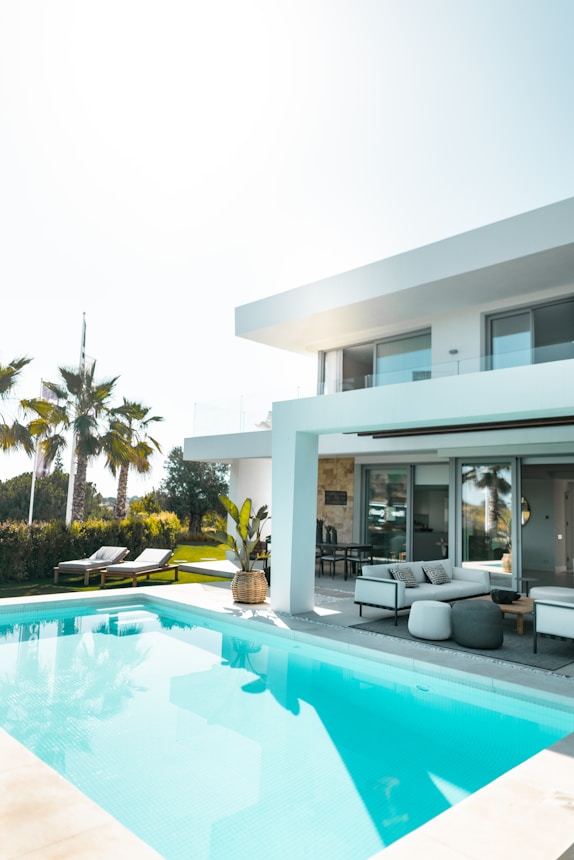
Pool shape matters more than it gets credit for. Simple layouts tend to age better. Rectangles, straight runs, clean corners. They allow water to circulate evenly, which helps keep debris moving instead of settling in awkward spots.
Freeform designs can be beautiful, but they often come with tight curves and corners that cleaners struggle to reach. Those areas slowly become trouble zones. More brushing. More adjustments. More time spent wondering why one corner never stays clean.
Choosing a shape that works with circulation instead of against it can save a surprising amount of effort over the years.
Materials Show Their True Colors Over Time
Materials always look good at first. That’s the easy part. The real test comes after seasons of sun, chemicals, and use.
Some finishes highlight wear faster than others. Dark surfaces can show scale and fading. Certain tiles resist staining better. Some plaster mixes hold up while others start breaking down sooner than expected. None of this is obvious on day one.
Longevity comes from choosing materials that make sense for how the pool will actually be used and where it’s located. It’s not about picking the most expensive option. It’s about picking the one that won’t fight the environment year after year.
Water Features Add Work Along With Beauty
Water features are appealing for a reason. Movement, sound, visual interest. But they also add responsibility.
Hard drop waterfalls can cause extra splash out, which means more refilling and more buildup around edges. Additional pumps and plumbing create more points that need attention. That doesn’t mean water features should be avoided. It just means they need to be designed with access and durability in mind.
When features are easy to reach and built with the right materials, they stay enjoyable. When they aren’t, they slowly turn into something you avoid turning on.
The Deck Isn’t Just Background
The area around the pool affects maintenance more than people expect. Deck materials that trap dirt or wash debris toward the water make upkeep harder. Slopes that send rainwater into the pool bring in soil, fertilizer, and whatever else is nearby.
Even plant placement matters. Landscaping that creeps too close ends up shedding leaves, pollen, and debris directly into the water. A deck that works with the pool instead of against it helps keep things cleaner without extra effort.
Equipment Placement Makes a Difference
No one gets excited about pool equipment, but its location matters. Systems squeezed into tight, unventilated spaces tend to overheat and fail sooner. Equipment that’s hard to access tends to get ignored.
When pumps and filters are placed in shaded, open areas with room to work, maintenance feels less like a chore. And when routine checks are easy, they actually happen. That consistency extends the life of the entire system more than most upgrades ever will.
Depth and Layout Influence Wear
Pools wear unevenly. Areas where people gather see more traffic. Sharp depth changes create turbulence that can stress surfaces over time.
Layouts that transition gradually tend to age better. Steps, benches, and ledges that flow naturally encourage people to spread out instead of clustering in one spot. That reduces concentrated wear and helps surfaces hold up longer.
It’s a subtle thing, but after years of use, it shows.
Climate Isn’t Optional
Every pool lives in a specific environment. Ignoring that usually leads to problems later.
Sun exposure affects fading and heat retention. Freeze and thaw cycles stress materials and joints. Wind patterns influence where debris ends up. Pools designed with their climate in mind tend to last longer and need fewer reactive fixes.
Designing for where the pool lives is just as important as designing how it looks.
A Pool That Ages Without Fighting You
No pool is maintenance-free. That’s not realistic. But some pools respond better to care than others. When shape, materials, layout, and equipment placement work together, maintenance becomes predictable instead of frustrating.
Surfaces last longer. Repairs happen less often. The pool stays inviting instead of feeling like a responsibility you didn’t sign up for.
That’s the real payoff of good design.
Thinking Beyond the First Season
A pool that looks great in the beginning is satisfying. A pool that still works well ten or fifteen years later is the real win. Design decisions made early affect every season that follows.
For homeowners researching inground pools in St. Louis, working with builders who understand long-term ownership can make a noticeable difference. The best pool designs don’t demand attention. They quietly support your lifestyle and let you enjoy the space without constantly managing it.
That’s what longevity actually looks like.