
A horse barn is not just a building. It is a working space, a shelter, and often the quiet center of rural life. For people who live close to the land, the barn becomes part of the daily rhythm. Morning chores begin there. Evenings end there. Over time, it absorbs routine, responsibility, and care.
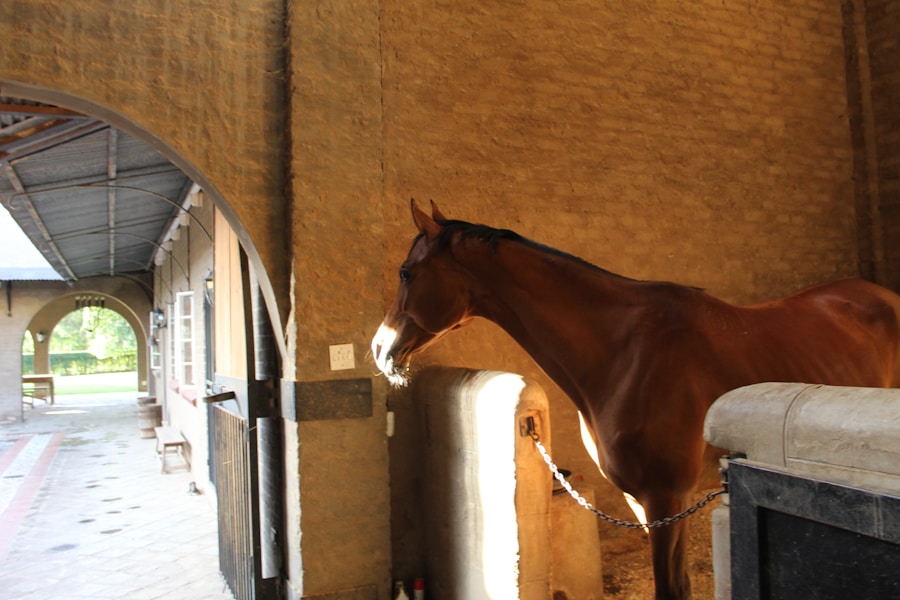
Unlike purely residential structures, horse barns exist for both people and animals. They demand attention. They reward consistency. And they quietly reflect a way of living that values function, durability, and long-term thinking over speed or convenience.
Living Close to the Land: A Mindset, Not a Trend
Living close to the land is often described as a lifestyle, but in practice, it is more of a mindset. It means accepting that days are shaped by weather, seasons, and animals rather than schedules alone. Horses do not wait. Fields do not manage themselves.
This way of life requires presence. You notice small changes. A shift in temperature. A horse’s behavior. The condition of the ground underfoot. These details matter because they affect daily decisions.
Horse barns support this mindset by anchoring routine. They remind people that care is not abstract. It is physical. It happens every day, whether conditions are ideal or not.
The Role of the Horse Barn in Rural Life
In rural settings, the horse barn often functions as more than a shelter. It is a workspace, a storage area, and a point of organization. Feed, tools, tack, and equipment all flow through it. When designed well, it supports efficiency and reduces strain on both people and animals.
Barns also carry cultural weight. In many communities, they are built to last generations. Repairs are made thoughtfully. Changes are slow and deliberate. Over time, the barn reflects the habits and values of those who use it.
As needs change, barns adapt. A stall becomes a storage area. A tack room expands. The structure remains, but its use evolves with the land and its caretakers.
Construction: Building a Barn with Purpose
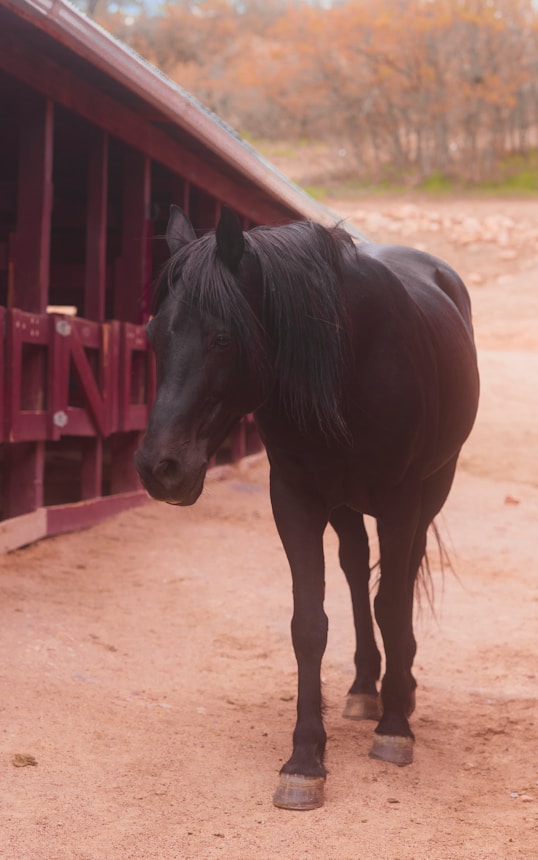
Constructing a horse barn begins with the land itself. Location matters. Proper drainage prevents long-term structural issues and protects animal health. Sun exposure affects warmth and moisture levels. Wind direction influences ventilation and comfort, factors that experienced horse stable builders evaluate early to avoid costly corrections later.
Construction methods vary, but the goal remains the same. The barn must be safe, durable, and practical. Traditional timber construction offers strength and a familiar aesthetic. Steel structures provide longevity and lower maintenance. Many modern barns combine materials to balance cost, durability, and appearance.
Material choice affects more than structure. Wood creates a warmer interior environment. Steel offers resistance to pests and fire. Stone foundations improve stability and drainage. Each option carries long-term consequences.
Interior design is equally important. Adequate ventilation reduces respiratory issues. Proper spacing prevents injury. Flooring must support weight while remaining easy to clean. A well-built barn anticipates daily use and minimizes unnecessary effort.
Craftsmanship and Design Aesthetics
While function comes first, design still matters. Barns that are thoughtfully built tend to age better. Proportions feel balanced. Materials weather naturally. Details such as door placement, roof pitch, and trim reflect regional traditions and practical knowledge.
Good craftsmanship shows restraint. Nothing is excessive. Each element serves a purpose. When beauty emerges, it does so quietly, through proportion and material rather than decoration.
These barns do not compete with the land. They belong to it.
Sustainability and Stewardship of the Land
Horse barns play a role in environmental stewardship. Construction choices influence energy use, land health, and long-term sustainability. Proper manure management protects soil and water. Efficient water systems reduce waste. Durable materials lower the need for frequent replacement.
Pasture management and barn design are closely linked. A well-placed barn supports rotational grazing and reduces erosion. Thoughtful layout minimizes damage to the surrounding land during wet seasons.
Sustainability in this context is practical. It focuses on longevity and responsibility rather than trends.
The Barn as a Reflection of Values
A well-maintained barn reflects discipline and care. It signals respect for animals and for the work involved in keeping them healthy. Order matters. Cleanliness matters. These are not aesthetic choices alone. They affect safety and well-being.
Barns built with intention tend to last. They resist shortcuts. They favor solutions that work year after year. This approach mirrors a broader philosophy rooted in patience and accountability.
Conclusion: A Life Rooted in Place
Horse barns stand as quiet symbols of a life connected to land, animals, and routine. They represent commitment. They require effort. They reward consistency.
In a world driven by speed and convenience, barns remind us that some things cannot be rushed. Living close to the land is not about nostalgia. It is about choosing permanence, responsibility, and care.
And it all begins with a structure built to serve both the land and those who tend it.