
Building a home gym involves more than selecting equipment and laying down rubber flooring. The infrastructure behind the space—particularly plumbing—determines whether your setup becomes a seamless extension of your fitness routine or a source of ongoing frustration. Showers, saunas, hydration stations, and proper drainage all require careful planning and professional installation to function reliably over time.
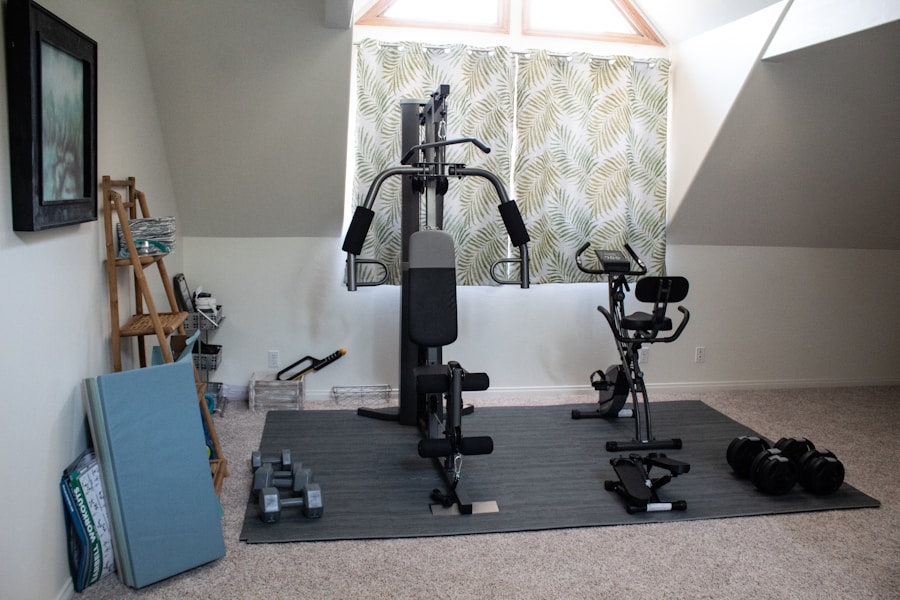
For homeowners in Georgetown, TX, working with experienced local plumbers means tapping into knowledge of regional building codes, water pressure variations, and climate-specific considerations that affect long-term performance. Getting the plumbing right from the start prevents costly repairs and ensures your home gym remains functional for years.
Why Local Plumbing Expertise Matters
Georgetown’s unique infrastructure and municipal requirements make local plumbing knowledge valuable when planning a home gym. Professionals familiar with the area understand how the city’s water systems behave, which materials perform best in Central Texas conditions, and how to navigate permitting processes efficiently.
Local plumbers also respond faster when issues arise. A burst pipe or malfunctioning shower valve doesn’t wait for convenient business hours, and having a contractor who can reach your property quickly minimizes damage and downtime. This proximity translates to better ongoing relationships, making future maintenance and upgrades simpler to coordinate.
Beyond technical expertise, local contractors often provide more personalized service. They’re invested in their reputation within the community and tend to take extra care to ensure projects meet homeowner expectations. For specialized work like home gym installations, this attention to detail makes a measurable difference in final results.

Core Plumbing Services for Home Gym Installations
A functional home gym requires several interconnected plumbing systems working in harmony. Understanding these components helps homeowners plan effectively and communicate clearly with contractors:
- Water supply lines: Properly sized pipes ensure adequate pressure for showers, sinks, and hydration stations without affecting other household fixtures
- Drainage systems: Correctly sloped pipes and appropriately placed drains prevent standing water and potential structural damage
- Fixture installation: Showerheads, faucets, and specialty equipment require precise mounting and sealing to prevent leaks
- Ventilation integration: Plumbing vents must be properly configured to prevent sewer gases and maintain drainage efficiency
- Water heater capacity: Additional fixtures may require upgrading your existing water heater or adding a dedicated unit
According to This Old House’s plumbing fundamentals guide, proper planning of these systems before construction begins saves significant time and money compared to retrofitting solutions later. Professional plumbers can assess your home’s existing capacity and recommend upgrades where necessary.
Shower and Sauna Plumbing Requirements
Adding a shower or sauna to your home gym creates a spa-like experience but demands specialized plumbing work. These installations involve more than simply connecting water lines—they require careful attention to waterproofing, temperature control, and moisture management.
Waterproofing represents the most critical aspect of shower installation. Even small gaps in waterproof membranes can lead to mold growth, structural damage, and expensive repairs. Professional installers use multi-layer waterproofing systems that protect walls, floors, and adjacent spaces from moisture intrusion.
Temperature control systems prevent scalding and ensure consistent water temperature throughout your shower. Thermostatic mixing valves, required by code in many jurisdictions, automatically adjust hot and cold water ratios to maintain safe temperatures even when water pressure fluctuates elsewhere in the house.
Sauna installations present additional challenges. Steam saunas require dedicated steam generators, properly sized water lines, and drainage systems that handle condensation. Infrared saunas have fewer plumbing requirements but still need electrical work coordinated with any nearby water features.
Hydration Stations and Water Quality
Convenient access to clean drinking water encourages proper hydration during workouts. Installing a dedicated water station in your home gym eliminates trips to the kitchen and keeps your training flow uninterrupted.
Water quality matters as much as accessibility. Georgetown’s municipal water meets safety standards, but many homeowners prefer additional filtration to remove chlorine taste, reduce mineral content, or address specific concerns. Point-of-use filters installed at hydration stations provide targeted treatment without requiring whole-house systems.
Several filtration options exist depending on your priorities:
- Carbon filters: Remove chlorine, improve taste, and reduce common contaminants
- Reverse osmosis systems: Provide comprehensive filtration but require more space and regular maintenance
- UV purification: Eliminates bacteria and viruses without chemicals or changing water taste
Professional installation ensures filters are properly sized for your water pressure and usage patterns. Undersized filters restrict flow, while oversized systems waste money and space.
Supply line placement also affects functionality. Lines should be insulated if running through unconditioned spaces to prevent freezing during rare Texas cold snaps. Shut-off valves at each fixture simplify maintenance and allow repairs without shutting down water to the entire house.
Preventive Maintenance and Long-Term Performance
Regular plumbing maintenance prevents minor issues from escalating into major problems. Home gym plumbing systems, particularly those with showers and saunas, benefit from scheduled inspections that catch wear before it causes failures.
Annual maintenance should include checking all visible pipes for corrosion or leaks, testing water pressure at fixtures, inspecting drain flow rates, and examining waterproof seals around showers and saunas. These inspections typically take less than an hour but can identify problems that would otherwise go unnoticed until significant damage occurs.
Water heaters serving home gyms deserve special attention. Sediment buildup reduces efficiency and shortens lifespan, particularly in areas with hard water. Flushing the tank annually removes accumulated minerals and maintains heating performance. Tankless water heaters require descaling to prevent mineral deposits from restricting flow through heat exchangers.
Homeowners who follow regular maintenance schedules experience 60% fewer emergency repairs and extend equipment lifespan by an average of five years. The modest cost of preventive service pays for itself many times over through avoided repairs and improved efficiency.
Sustainable Plumbing Choices
Water conservation makes environmental and financial sense, particularly in Texas where drought conditions periodically strain municipal supplies. Modern plumbing fixtures and systems allow homeowners to reduce consumption without sacrificing performance.
Low-flow showerheads have improved dramatically in recent years. Early models often disappointed users with weak pressure and poor coverage, but current designs use air injection and optimized spray patterns to deliver satisfying showers while using 40-50% less water than standard fixtures. The difference in water bills becomes noticeable quickly, especially in households with multiple daily showers.
Greywater systems represent a more advanced conservation strategy. These systems capture water from showers and sinks, filter it, and redirect it for toilet flushing or landscape irrigation. While installation costs are higher, the long-term water savings can be substantial. Georgetown’s climate makes greywater particularly valuable for maintaining landscaping during summer months when outdoor watering restrictions often apply.
Water heating accounts for a significant portion of home energy use. Tankless water heaters eliminate standby heat loss by heating water only when needed, reducing energy consumption by 24-34% compared to traditional tank models.
Smart leak detection systems add another layer of water conservation and protection. These devices monitor water flow patterns and automatically shut off supply lines when they detect unusual usage that might indicate leaks. While not strictly necessary, they provide peace of mind and can prevent catastrophic water damage when leaks occur in unoccupied spaces.
Selecting a Plumbing Contractor
Choosing the right plumbing contractor affects both immediate installation quality and long-term system performance. Several factors separate exceptional contractors from merely adequate ones:
- Licensing and insurance: Verify current Texas plumbing licenses and adequate liability coverage before signing contracts
- Specialized experience: Ask about previous home gym installations and request references from similar projects
- Warranty terms: Understand what’s covered, for how long, and what actions might void coverage
- Communication style: Contractors should explain options clearly and answer questions without condescension
- Detailed estimates: Written quotes should itemize materials, labor, and potential additional costs
Online reviews provide useful insights but should be evaluated critically. Look for patterns in feedback rather than focusing on individual extreme reviews. Contractors with consistently positive comments about communication, punctuality, and problem-solving typically deliver better experiences than those with scattered five-star ratings mixed with complaints.
Don’t hesitate to interview multiple contractors before deciding. Reputable professionals expect comparison shopping and won’t pressure you for immediate commitments. Use initial consultations to assess not just technical knowledge but also whether the contractor’s working style matches your preferences and project needs.
Reputable professionals expect comparison shopping and won’t pressure you for immediate commitments. For Georgetown-area homeowners, Quality Cooling Heating & Plumbing, Radiant Plumbing & Air Conditioning, and ACE Plumbing are among the licensed contractors worth including in that initial round of consultations