
Updating an older property is both rewarding and demanding, especially for homeowners inspired by the transformations of classic structures thoughtfully modernized. The first surprise can arrive before the paint dries: a drawer that will not close, a light that flickers, or a “tiny” drip that somehow sounds loud at 2:00 a.m.
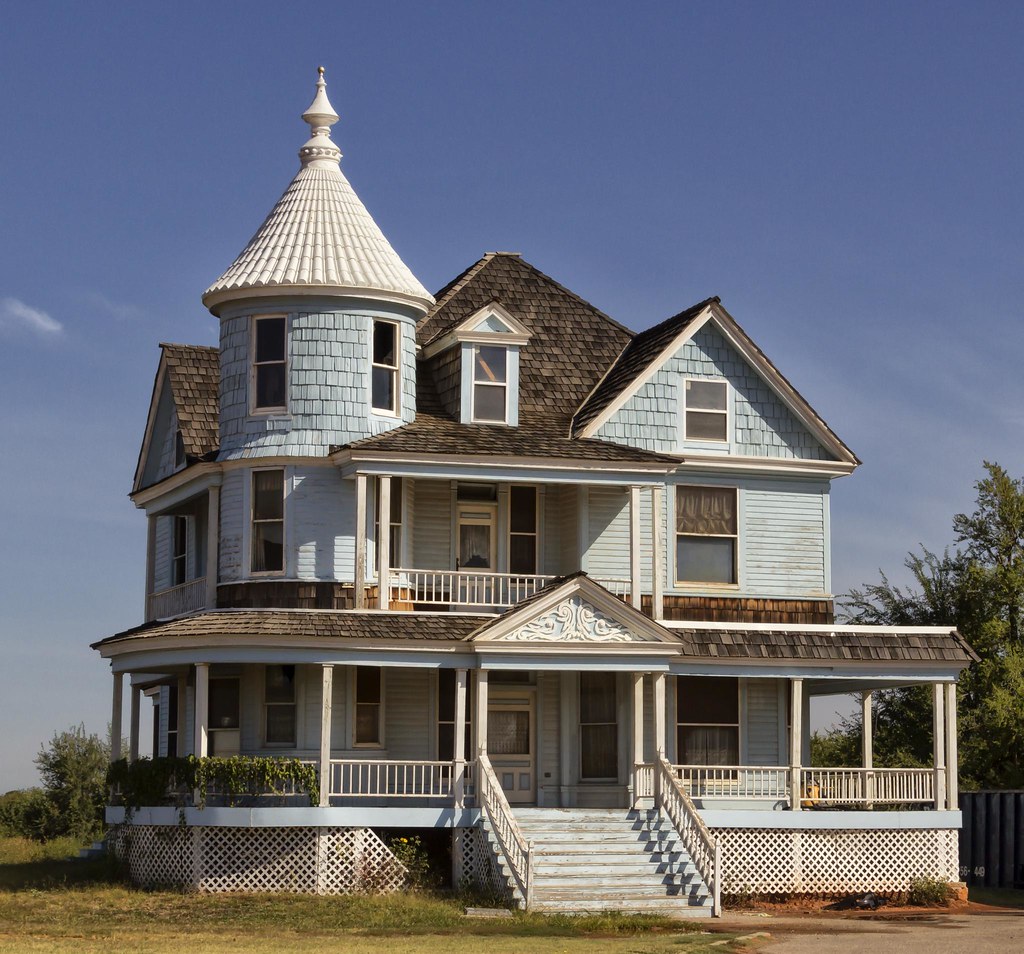
Older houses bring charm, and they also bring choices made by past owners who treated rules like suggestions. Some fixes were fine. Others were bold, confusing, and held together by hope.
Starting with maintenance is not the dull path. It is the path that prevents fun upgrades from becoming expensive do-overs. Deal with safety, water, and structure early, and the rest of the renovation stays on track.
Start with the Systems You Cannot See
Plumbing and drainage never win design awards, yet they decide whether daily life runs smoothly. Pipes age, and their interiors slowly shrink as debris accumulates. Loose connections creep in where fittings start to slip apart. Strange detours arise when new sections are added. These twists turn fixes into longer puzzles than needed.
Aging buildings often reveal problems inside the walls. Outdated piping might be lurking there. One call to a provider of commercial plumbing services could uncover issues before they escalate. Fixing this needs expertise. Hidden damage gets missed without trained eyes. This means more than patching leaks – it requires full evaluation.
Old systems sometimes fail quietly until disaster strikes. Updating the plumbing system prevents future headaches. Safety and comfort improve when it aligns with modern demands, but neglect accelerates decay. Request a simple map of shutoffs and cleanouts, and take photos before the walls close. Those images become priceless when a future leak turns a quiet weekend into a mess.
Water ignores fresh finishes. It keeps moving until it finds a weak spot, often behind new tile or inside a ceiling. If walls are open, check the shutoff valves, inspect for corrosion, and confirm that the drains slope correctly.
Notice small signs each time you check. When water seeps slowly or pipes make unusual noises, pay attention. A musty scent inside a cupboard might mean trouble, too. Finding issues early helps prevent delays later. Addressing problems quickly keeps momentum strong.
Electrical Safety Deserves Full Attention
Older electrical systems were designed for a time when fewer appliances were in use at once. Modern living demands more. Flickering lights may occur if the electrical system lags behind demand. Tripped breakers can follow when the load gets too heavy. Warm outlets sometimes appear under strain.
A licensed electrician assesses whether your kitchen wiring can support the latest gadgets. Moisture near sinks or showers makes bathroom power tricky to manage safely. Old laundry room setups may require higher amperage circuits for modern machines. Grounding issues often hide behind walls where dampness collects. Upgraded outlets reduce the risk of fires when multiple devices are plugged in at once. Breaker boxes wear out like any other after years of use.
Do not ignore these hints. Tripping breakers, buzzing switches, or lights that dim when something starts up signal strain. Fixing strain now costs less than repairing damage later.
Structural Integrity Comes Before Style
New finishes cannot persuade a shifting structure to behave. If doors drift open, floors feel uneven, or cracks keep returning, something may be moving underneath. Settling is normal, but ongoing movement requires answers.
Check the foundation, where the walls meet the ground. Are there water stains there? How about spongy beams? Hasty fixes might hide bigger problems. A trained person knows whether cracks are just skin-deep or something more serious.
This work protects everything that follows. Tile hates flex. Cabinets hate walls that lean. When the structure stays stable, installations fit better and last longer.
Windows, Doors, and Insulation Change Daily Comfort
A draft can come in unexpectedly and make comfy spaces feel cold and uncomfortable. Old windows can allow cold air to seep in through cracks where the seals have worn out. Doors that tilt slightly due to aging leave openings small enough to ignore but big enough to matter. You notice it first in corners where warmth never seems to settle.
Sometimes restoration works. If frames are solid, weatherstripping and proper glazing can help while keeping character. If rot has set in, replacement is usually less costly and less frustrating.
Insulation is another practical win. Better attic insulation and careful air sealing help keep temperatures steady and utility bills reasonable.
Moisture Needs a Practical Plan
Water tests a house nonstop. Roof wear, tired flashing, clogged gutters, and poor grading allow moisture to enter and spread.
Inspect the gutters and the areas where water drains. If you spot peeling paint or rust, document it. Mold appearing is another item worth noting. Bathroom air must be vented outside, not recirculated into other rooms.
A dry home stays stronger. It also feels better to live in, which matters when renovation fatigue hits.
Maintenance Planning Keeps Projects Manageable
Renovation burnout happens when the list grows faster than progress. A simple order helps: address safety and structure first, then systems, then finishes. That sequence prevents the heartbreak of tearing out something new to fix something old behind it.
Build a buffer into the budget and timeline. Older homes reveal surprises once walls open up. Keep notes and photos as work progresses, as later repairs are easier when details are not lost. A short checklist on the fridge can keep everyone aligned.
Updating an Older Property Is a Long Game
The goal is not perfection. The goal is a home that keeps its character and supports real life without constant struggle. Keep priorities simple: make the house safe, dry, stable, and comfortable.
Old homes can still have quirks. Let them be the charming kind, not the expensive kind.