
Do you open your pantry and immediately feel overwhelmed? Maybe it’s packed with duplicate items, expired cans, crushed cereal boxes, or forgotten snacks hiding in the back. A cluttered, outdated pantry makes cooking harder. It also silently affects your grocery spending, meal planning, and even how often you eat at home.
But you don’t need a fancy renovation or a big budget to make your pantry beautiful and efficient. This blog covers some smart, simple ways to refresh your pantry without spending much.
Clear It Out and Start Fresh
The first step to upgrading your pantry is clearing everything out and starting with a blank canvas. Most people wait too long to do this because it feels like a chore—but it’s easier than it sounds and makes every next step go more smoothly.
- Completely empty the pantry first: Take every single item out from the shelves, corners, and bins. Seeing everything at once helps you assess what you actually have and which items you’ve been neglecting or overbuying. This step also shows you how much space you really have to work with.
- Group items by category: Place similar items together: baking ingredients, canned foods, grains, snacks, spices, and so on. This makes it easier to repack your pantry logically later. You’ll likely find duplicates and forgotten items, which can help you avoid unnecessary purchases next time you shop.
- Clean everything thoroughly: Wipe down all the shelves, vacuum the corners, and clean containers before putting anything back. A clean pantry looks better, feels fresher, and sets the tone for real results. Plus, wiping away crumbs and spills helps prevent pests and keeps everything organized longer.
Stretch Your Budget With Smart Food Swaps
Refreshing what goes in your pantry is just as important as updating how it looks. By being more intentional about food choices, you can reduce waste and get excited about using your pantry every day.
- Plan meals with shelf-stable staples: Keep a few go-to meals that rely entirely on pantry ingredients like pasta, rice, canned goods, or seasoning blends. These come in handy on busy nights or when you want to spend less. Planning with pantry meals in mind can reduce grocery trips and costs.
- Experiment with bold flavor additions: Trying new sauces or seasonings can help you see your pantry ingredients in fresh ways. Products like flavorful handcrafted hot sauces from experts at https://elijahsxtreme.com/ make it easy to liven up rice, beans, or even simple wraps. These gourmet-style condiments bring excitement into everyday cooking and are made with real ingredients and creative flavors.
- Rotate food regularly: Get in the habit of placing older items up front and newer ones in the back. This reduces the chances of finding expired goods and helps you use what you have before buying more. A simple system like this is one of the most effective ways to save money in the long run.
Reorganize With Items You Already Own
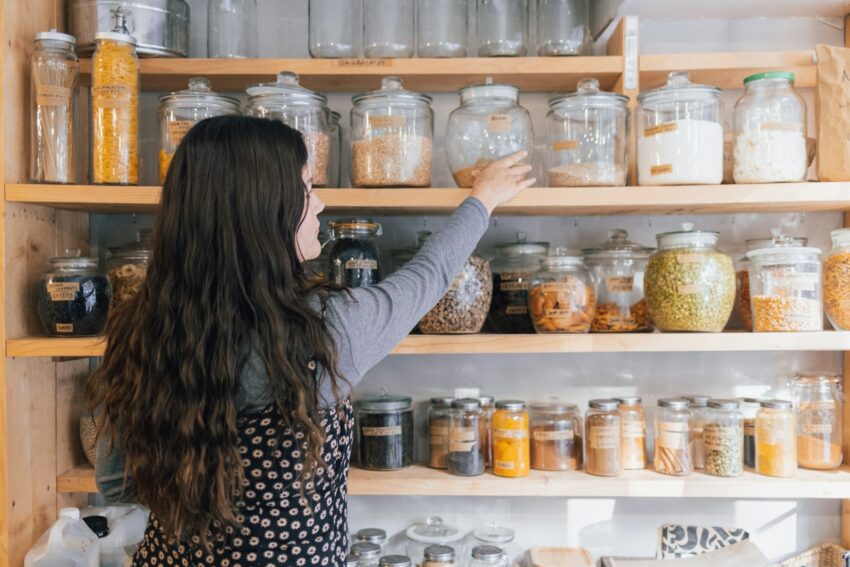
You don’t need to run out and spend money on matching jars or fancy organizers. Chances are, your home already holds dozens of useful containers and baskets you can repurpose in creative ways.
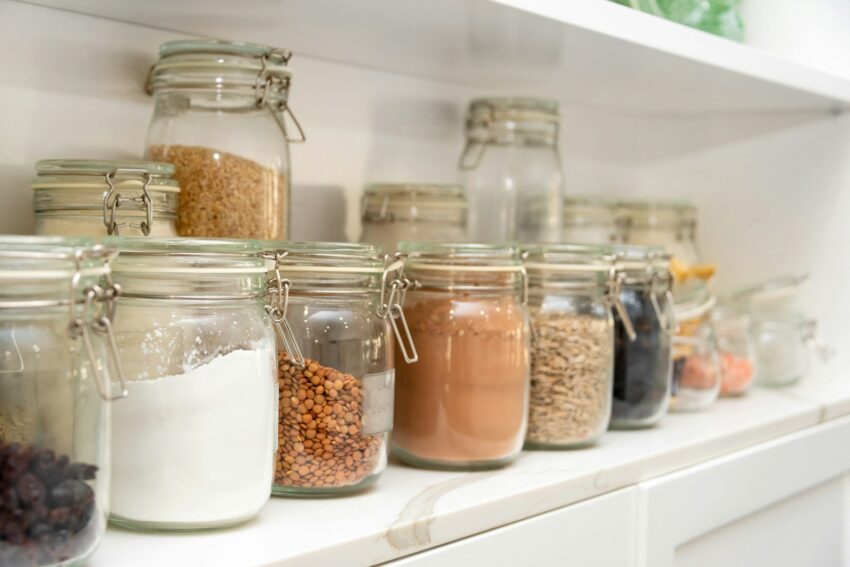
- Use glass jars and old containers: Clean pasta jars, mason jars, or leftover plastic containers can all be repurposed for storing dry goods. Clear containers help you see when you’re running low and keep items fresher longer. Choose similar-sized jars for a neater, more uniform pantry look.
- Repurpose baskets, bins, and boxes: Look around your home for surplus storage items like office bins, shoe boxes, plastic baskets, or fabric totes. These can group items like snacks, baking packets, or tea bags efficiently. Labeling them clearly helps maintain order long-term.
- Go vertical with shelf risers or stacking bins: If shelves are deep or tall, stacking bins and vertical storage tools make the most of every inch. These help avoid wasting precious space and make hard-to-reach areas more accessible. You can often find affordable versions at dollar or discount stores.
Organize Based on Your Daily Routine
A pantry should reflect how your family eats and cooks. If shopping, prepping, or feeding kids feels chaotic, it might be because your pantry isn’t working for your lifestyle. These small adjustments can make everyday meals feel effortless.
- Create easy access zones: Place the most-used items at eye level, and store occasional-use or backup foods on higher or lower shelves. Zones for snacks, breakfast items, or dinner ingredients make grabbing what you need fast and stress-free. Think of your pantry like a grocery aisle—everything grouped by purpose.
- Designate grab-and-go snack baskets: Use shallow containers or bins for snack bars, cereals, or lunchbox fillers. Position them at kid-friendly height to let children help themselves during snack time. This stops snack foods from becoming disorganized or hidden in the back.
- Put heavy items on the bottom: Keep things like canned goods, extra water, or pantry appliances—like blenders or Instant Pots—on bottom shelves. This improves safety, preserves shelving, and eliminates the need to lift heavy items down from above. You’ll use these items more if they’re easy to reach.
Add Visual Style Without Breaking the Bank
Updating your pantry’s style doesn’t always mean spending big. With a little creativity, you can make your pantry space feel refreshed and extra special. These small upgrades can spark joy in your everyday kitchen life.
- Add shelf liners or peel-and-stick contact paper: Lining shelves with decorative or easy-clean surfaces protects them from spills and adds a pop of personality. Choose a subtle pattern or bright color to reflect your taste. These inexpensive liners are easy to install and replace when you want a change.
- Paint or refresh your shelving: A simple coat of paint—white, gray, or even soft pastels—can make old shelves feel like new. Painting also brightens dim pantry interiors, especially if your space lacks good lighting. Opt for moisture-resistant paint for best results.
- Display food attractively: Place items like pasta, dried fruit, or beans in matching jars or containers to create a clean, uniform look. Use wooden or wire baskets for texture and farmhouse style. These little details make the pantry look designed rather than stocked.
Make Space Work Smarter With Small DIYs
Even small pantries can hold a surprising amount with a few smart tricks. Try simple DIY ideas that make the most of every square inch—especially if your pantry always feels like it’s one snack away from overflowing.
- Hang hooks or racks inside the door: Pantry doors are often overlooked but have tons of potential. Install hanging racks or hooks for light tools, aprons, seasoning packets, or foil wraps. Sliding over-the-door racks also offer instant extra storage.
- Use lazy Susans for corners or sauces: A rotating tray is perfect for oils, condiments, or odd-shaped jars. This keeps them in view and easy to grab without digging through clutter. It’s especially effective in corner pantries or deep shelves.
- Turn wall space into tiered storage: If your pantry has blank wall areas or open sections, you can mount narrow spice racks, floating shelves, or bins. These slim organizers are ideal for teas, sauces, or seasoning packets. It’s a great way to expand capacity without needing more shelves.
Keep It Tidy for the Long Haul
Pantry organization isn’t a one-time project. The key to making your work last is creating a quick reset routine and adjusting as your needs change.
- Check and tidy monthly: Once a month, take a few minutes to wipe surfaces, toss expired food, and regroup scattered items. Monthly check-ins help prevent clutter from building back up. It keeps your pantry inviting and fully functional.
- Update your setup as your family grows: Your pantry should evolve with your life—whether you’re cooking for young kids, teens, or empty nesting. Rearranging as needed ensures the space continues to fit your needs. The more personalized, the more likely it is to stay tidy.
- Celebrate your makeover and enjoy the rewards: Cooking and planning meals from an organized pantry feels easier and more motivating. Snack time becomes simpler. Grocery shopping is streamlined. And even better, you’ll waste less and save more over time.
Final Thoughts
Updating your pantry doesn’t need to cost much or take over your whole weekend. It’s about working with what you have, getting creative with how you store food, and bringing intention to the space you use every day. With a few practical steps and thoughtful touches, your pantry can become a source of inspiration and savings—one organized shelf at a time.