
You can usually tell when a house is wasting heat or cool air before you see the bill. One room feels fine, while the next one feels oddly off for no clear reason.
I used to blame the thermostat every time, because it felt like the obvious culprit. Then I learned how much comfort comes down to airflow, moisture, and small leaks, and that is where I first started reading up through Handy Bros.
Once that clicked, my fixes got simpler and cheaper, and they also stuck longer. The goal is not perfection, it is steadier rooms and fewer surprise spikes.
Small Draft Fixes That Make Rooms Seem More Even
Start with the building envelope before touching equipment.
Drafts rarely feel dramatic, which is why they slip into the background for months. You notice them on your ankles in winter, and near sunny windows in summer.
Older houses also move a little with seasons, so gaps can come and go. After one wet spring, I found a narrow split along interior trim that hadn’t existed before.
It helps to focus on the places your family uses most, like the living room and bedrooms. A slow pass with your hand near edges can reveal steady air movement.
If you want a practical framework, this guide on going energy efficient on a budget prioritizes sealing before upgrades.
Most of the time, a basic kit covers what you find in one weekend. I keep mine in a small bin, so it feels easy to pull out.
- Peel and stick weatherstrip for door frames and window sashes
- A door sweep for the biggest exterior gap you can feel
- Paintable caulk for trim cracks that stay fairly stable
Pick the biggest leak before the most visible one. Larger gaps move more air, and they waste more money per day.
Thermostat Choices That Feel Normal In Real Life
Most thermostats are adjusted in reaction to discomfort rather than routine.
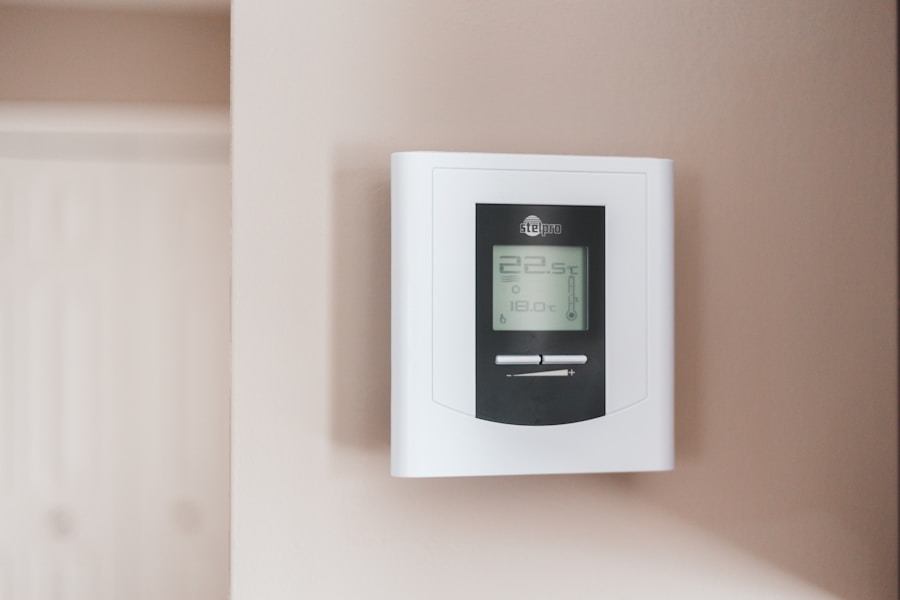
Thermostats work best when they match how your home is used during a normal week. If everyone is out for school and work, the same setting all day can cost extra.
A gentle pattern usually feels easiest, comfortable when you are home, then slightly relaxed when the house is empty. Overnight, a steady setting helps many homes avoid big swings by morning.
The U.S. Department of Energy notes that setting back 7 to 10 degrees for about eight hours can save around 10 percent a year for many households. Their overview on programmable thermostats explains the idea and the limits.
If you use a smart thermostat, a simple schedule often beats a complicated one at first. Too many automatic changes can create swings that feel worse than the original problem.
I learned that the hard way during a week of errands and odd hours. The thermostat kept guessing, and the house felt like it was always catching up.
It also helps to avoid frequent mid day nudges when the room feels “almost right.” A few quick changes can trigger longer cycles, which can cost more than you expect.
Airflow Habits That Keep The System From Working Too Hard
Uneven comfort often comes from airflow, not a broken unit. When air cannot move well, the system works harder and rooms still feel inconsistent.
Filters are the easiest place to check, and they are often the cheapest fix. When mine gets loaded, the house feels stuffier and the vents sound louder.
I keep a spare filter in the same closet as paper towels and light bulbs. That small habit stops the “I will get to it later” spiral.
Return grilles also collect fuzz and dust, especially in busy family areas. A quick vacuum pass can help air feel cleaner in a way you notice.
This post about prepping your home’s airflow for every season fits well with a realistic routine. It treats vents and grilles like regular cleaning zones, not a once a year chore.
Supply vents get blocked more than people realize, especially behind beds and toy bins. A little clearance around each vent can reduce strain and improve room balance.
If one room always runs off, the cause is often simple, like a closed door and no return path. Leaving the door cracked, or adding a simple vent solution, can help.
Cooling Costs Drop When Humidity And Sun Are Managed
In many homes, “too warm” is partly “too humid,” especially in summer shoulder weeks. When humidity stays high, your body feels warmer at the same temperature.
Bathroom fans and range hoods help more than they get credit for. Running them during showers or cooking can keep moisture from lingering.
Window coverings also matter when the sun hits the same glass every afternoon. I noticed a big difference once I treated the hottest window like a heat source.
Thermal curtains can help with both hot and cold seasons, which makes them feel like a smart spend. The write up on thermal insulated curtains breaks down why they help comfort without changing equipment.
Ceiling fans are useful too, although they work best when the air hits your skin. I used to leave mine on all day, and then I realized they help most when people are in the room.
Sealing also supports cooling, because leaks let humid air sneak in and force longer run time. The Department of Energy has a clear overview of air sealing and why it can pay back quickly.
A Simple Plan For The Next Bill
If you want a low stress routine, one draft fix, one thermostat habit, and one airflow task per month is plenty, and it adds up faster than you think. The house feels steadier, the system runs calmer, and you also get better signals when a real repair is needed.
Over time, those small checks also teach you what “normal” sounds and feels like, which makes it easier to spot a new rattle, a weaker vent, or an unusual spike in humidity. And even if you eventually choose a bigger upgrade, you will already have a home that is sealed, balanced, and easier to keep comfortable.