
Home safety doesn’t need to cost a fortune or take months to complete. Regular small fixes beat waiting around for something major to fail. But here’s the thing most homeowners do. They ignore obvious problems until an actual emergency forces them to act.
A safe home comes down to paying attention before trouble hits. Check your roof twice a year instead of once water drips through the ceiling. Add grip to stairs now rather than after grandma takes a tumble. Replace smoke detectors based on their age, not when they stop beeping. These jobs rarely break the bank and they prevent the kind of accidents that land your family in the ER.
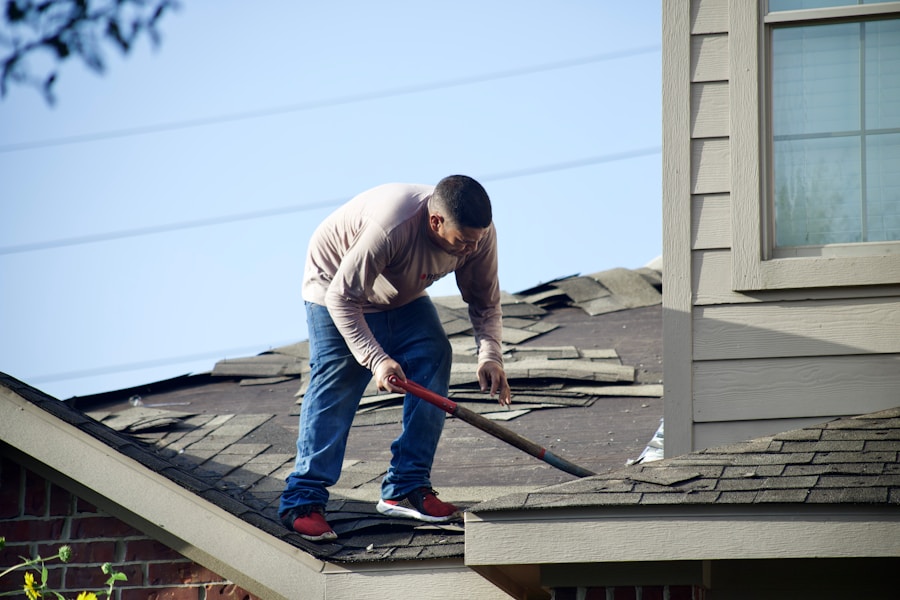
Fix Your Roof Before Water Damage Starts
Sun, rain, and wind beat down on your roof constantly. Missing shingles or cracked flashing seem minor until water works its way inside. Once moisture gets past your roof, it spreads through insulation and framing long before you notice stains on your ceiling.
Professional roofers catch early damage that you’ll miss from the ground. They spot worn materials and problem areas before they turn into bigger headaches. You can learn more about their roof repair service to see how experts evaluate damage and rank which repairs need immediate attention.
Warning Signs You Shouldn’t Ignore
Your roof talks to you if you’re paying attention. After heavy rain, climb into your attic and look around:
- Damp insulation or dark streaks on rafters mean water’s getting in
- Bits of shingle collecting in gutters show your roof wearing down fast
- Shingles curling at the edges leave the underlayer exposed
- Dips or sags along the peak point to serious structural trouble
Walk your property each spring and fall. These twice-yearly checks catch damage before the next season makes things worse.
Smart Ways to Handle Repairs
Fixing a few shingles or resealing flashing typically runs a couple hundred dollars. Act fast and you avoid the big stuff like replacing rotted plywood or ripping out soaked insulation. Some folks use roof cement or sealant as a stopgap while saving for proper work. Just know these quick patches buy you time but don’t replace real repairs.
Make Stairs and Entryways Less Slippery
More people get hurt from falls at home than you’d think. The National Safety Council found that falls top the list for home injuries across every age group. Stairs and slick entryways cause most of these accidents, hitting kids and elderly relatives especially hard. Good news is slip prevention costs under fifty bucks and goes in fast.
Indoor Safety Upgrades
Peel-and-stick treads go right onto each step for instant traction. Go with a color that pops against your floor so everyone sees the edge clearly. This matters when the hall light’s dim or someone’s rushing. Old stair carpet that’s coming loose catches toes and trips people. Swap it out before someone gets hurt.
Outdoor Protection That Lasts
Outside surfaces need tougher materials than indoor spots. Here’s what actually holds up:
- Rubber treads with little channels so rain drains off instead of pooling
- Grit strips that stick to concrete even after winter freezing
- Thick doormats at every entrance to grab water and mud
- Textured coatings for wood decks and porches
Toss your mats once the corners curl up or thin spots appear. A worn mat trips people instead of protecting them.
Swap Out Old Smoke and Carbon Monoxide Alarms
Smoke detectors lose effectiveness after sitting up there for ten years. Carbon monoxide alarms quit even sooner. Most people never flip the unit over to check the manufacture date stamped on back. Running old detectors gives you false confidence while offering basically no protection. New ones run about twenty to thirty dollars and snap into place in minutes.
Where to Place Alarms for Best Protection
Every floor needs a smoke alarm, including your basement even if you just store junk down there. Put them inside bedrooms and out in the hallway near where people sleep. Carbon monoxide detectors belong near bedrooms and anywhere you’ve got gas appliances. Your furnace, water heater, and attached garage all pump out this invisible killer gas.
Simple Maintenance That Saves Lives
The U.S. Fire Administration tells people to test alarms monthly but hardly anyone does. Here’s the bare minimum you should handle:
- Hit that test button once a month to verify everything works
- Swap batteries twice yearly when the clocks change
- Get interconnected alarms so one going off triggers them all
- Try wireless units to link rooms without running cable through walls
Connected systems wake up sleeping family members even when fire starts three rooms away.
Add Lights to Dark Paths and Doors
Poor lighting outside trips people and invites trouble. You can’t spot uneven pavement or tree roots pushing up through walkways after dark. Sketchy characters also prefer working where nobody can see them clearly. Motion sensor lights solve both problems by flipping on when someone approaches and shutting off later to save juice.
High-Priority Areas for Lighting
Hit the spots where family traffic runs heaviest after sunset. Your front porch needs enough light to see who’s knocking. Side gates, driveways, and garage entries all need decent coverage for coming and going after work.
Solar fixtures start around fifteen bucks and skip the whole wiring headache. Line your garden paths with them. Stick some near the mailbox and trash cans. Space them out every eight to ten feet so you don’t get dark gaps. Replace any that stop holding a charge after a couple years of regular use.
Tighten Wobbly Railings and Balusters
Railings fail right when you need them most. Someone slips, grabs for the handrail, and the loose bracket tears free from the wall. Give each railing a good shake to find weak spots before they cause injuries. Most fixes need basic tools and run under a hundred bucks.
Check deck posts every year by jabbing a screwdriver into the wood. Soft spots mean rot eating away at the post from inside. Metal railings get rusty welds or pitted spots that weaken the whole setup. Wobbly balusters let kids squeeze through or get stuck between spindles. Hit them with wood glue and a few finishing nails. Let everything dry completely before anyone leans on it.
Start Small and Stay Consistent
Safety projects add up faster than you think when you tackle them one at a time. Pick the worst trouble spots first and work down your list as money allows. Spreading costs across a few months beats skipping everything because of budget worries. A few hundred spent now prevents thousands in emergency repairs plus possible injury. Your house should protect the people living in it. These basic fixes make that happen without wrecking your finances.