
The American population is aging at an unprecedented rate. The government predicts that there could be more people above 65 than under 18 by 2034.
A survey found that most of these individuals want to age in place. Around 75% of the respondents aged over 50 wanted to stay in their home, and 73% said they wanted to be in the same community. The desire is even stronger among those aged 65 and over who live in small towns or rural areas.
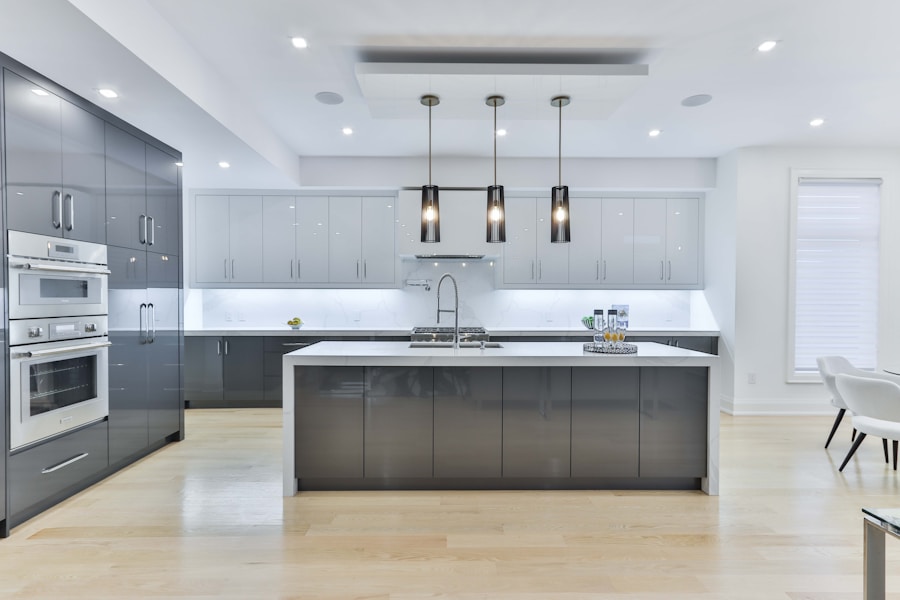
However, the property they stay in should be aging-friendly if their desire is to come true. Creating a home that supports this does not mean giving up comfort or character. Many homeowners worry that safety-focused upgrades will make their space feel clinical or cold, yet thoughtful choices can blend function with warmth. Aging-friendly improvements can preserve a home’s personality while making everyday life easier and safer.
Creating Safer Pathways Without Losing Charm
One of the first areas to address in an aging-friendly home is how people move through it. Although there is a risk of falls and injury, many elders still want to age in place, especially amid the growing nursing abuse cases. Two Colorado women were recently arrested in June 2025 for abusing an at-risk adult at a nursing centre in Centennial, just an hour’s drive from Colorado Springs.
In fact, many other centers, including the Kiowa Hills in Colorado Springs, are known for repeated quality issues. According to Springs Law Group, victims can get help from local attorneys.
They can seek a personal injury attorney in Colorado Springs for legal support. However, it still makes more sense for elders to want to age in place instead of going to a nursing home. Simple things like wider walkways, smoother flooring transitions, and improved lighting can reduce fall risks. Similarly, choosing wood tones, textured vinyl, or low-pile carpets can maintain a cozy atmosphere while offering better stability.
Bathrooms That Balance Comfort and Confidence
Bathrooms often present the greatest challenges as mobility changes, but they also offer opportunities for subtle improvements.
Data shows that at least one in four people aged 65 and older falls each year. And around one in ten such falls leads to injuries that restrict activities for a day or more. Moreover, there are one million fall-related hospitalizations every year.
Walk-in showers with frameless glass, built-in benches, and handheld showerheads can feel spa-like rather than utilitarian. Grab bars, when selected in finishes that match faucets or towel racks, blend seamlessly into the space. These changes allow the bathroom to remain welcoming while supporting daily routines with greater ease.
There are many toilet-aid devices available, too, for added comfort. Some of these aids include commode chairs, raised toilet seats, grab bars, and toilet safety frames. As the population ages, the global toilet aids market is projected to grow at a CAGR of 5% from 2025 to 2034. North America dominated the market because of increased healthcare spending and an aging population.
Kitchens Designed for Ease and Enjoyment
The kitchen is a gathering place, and aging-friendly adjustments can help it stay that way. Lower countertop sections, pull-out shelves, and easy-grip cabinet hardware reduce strain without altering the heart of the room.
Appliances with clear displays and front-facing controls support independence while still offering modern style. These updates allow cooking and hosting to remain enjoyable activities rather than sources of frustration.
A study examined how older adults retrieve items from kitchen cabinets, focusing on the frequency, difficulty, and physical strain involved in these movements. Data was retrieved from questionnaires, interviews, field research, and controlled experiments of 42 self-care elderly participants. The study concluded that kitchen item retrieval is a common yet physically demanding activity.
Using video analysis combined with posture and risk assessment methods, the research identified neck, trunk, and knee movements as having a strong impact on physical strain. The findings demonstrate that cabinet height significantly affects joint angles and exertion levels. Overall, the results support the need for kitchen cabinet designs that reduce physical effort, improve comfort, and better support aging in place.
Interior Design That Supports Comfort and Familiarity
Interior design plays an important role in making an aging-friendly home feel welcoming rather than restrictive. The focus should remain on familiarity, comfort, and visual ease, using elements that feel intentional instead of corrective.
A study reviews existing research on how interior design affects healthy aging, recognizing that older adults spend increasing amounts of time indoors. Using references from 64 studies, the research examines how factors such as indoor environmental quality, spatial layout, and design elements influence physical, mental, and physiological well-being.
The findings identify seven core design areas that shape health outcomes, including lighting, air quality, layout, accessibility, space size, furniture, etc. It also notes that recommendations vary by region and levels of frailty.
Warm color palettes, natural materials, and soft textures help create a sense of continuity. Good contrast between walls, floors, and furniture improves visibility while still allowing for cohesive design choices that feel calm and personal.
Frequently Asked Questions
How can aging-friendly home updates affect long-term property value?
Aging-friendly improvements often increase a home’s long-term appeal because they support broader accessibility and comfort. Features such as step-free entryways, flexible room layouts, and improved lighting appeal to buyers of different age groups. These updates can make a home easier to live in for longer periods, which may positively influence resale value and reduce the need for future renovations.
Are aging-friendly design changes suitable for multi-generational households?
Yes, many aging-friendly features work well for households that include multiple generations. Wider doorways, clear walking paths, and adaptable furniture layouts support children, adults, and older family members alike. These design choices can improve everyday convenience for everyone, creating shared spaces that feel inclusive rather than specialized for one age group.
How does sound control contribute to a more comfortable, aging-friendly home?
Acoustic comfort often becomes more important with age, as sensitivity to background noise can increase. Soft furnishings, area rugs with non-slip backing, and sound-absorbing wall treatments help reduce echoes and distractions. Better sound control can support relaxation, improve communication, and reduce mental fatigue during daily activities at home.
Aging-friendly home improvements do not require sacrificing warmth, style, or individuality. With thoughtful design choices, it is possible to create a space that supports safety, comfort, and independence while still feeling inviting.
These changes help homeowners remain confident in their surroundings and enjoy their homes for years to come. Planning early allows each improvement to feel intentional, creating a living space that evolves gracefully alongside its residents.