
Introduction
Solar energy has become an increasingly popular choice for homeowners looking to reduce electricity costs and adopt more sustainable living practices. However, installing solar panels is only the beginning of the journey. Like other parts of a home, solar systems require regular attention to maintain their performance and reliability. Over time, dust, pollen, bird droppings, leaves, and other environmental debris can accumulate on panel surfaces, preventing sunlight from reaching the photovoltaic cells effectively.
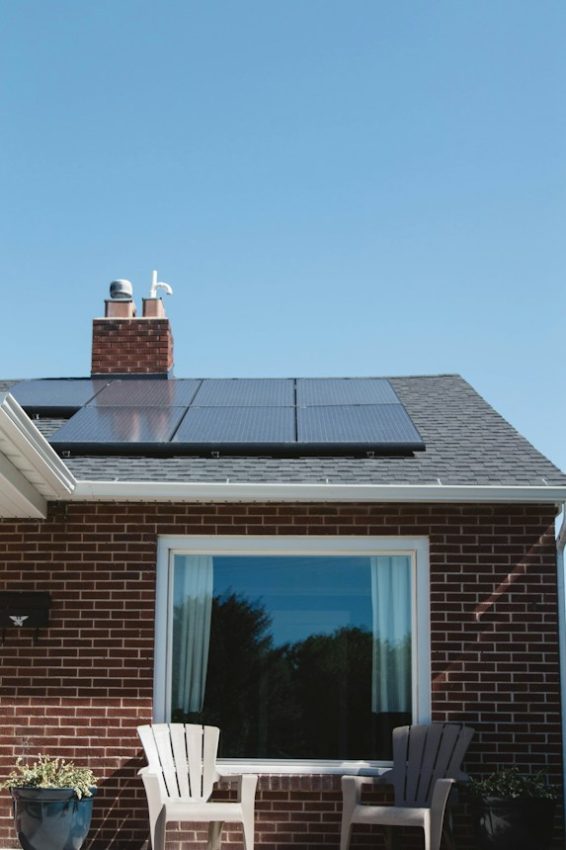
This challenge is particularly noticeable in areas with dry weather, limited rainfall, and frequent dust exposure. Without proper maintenance, even a well-installed solar system may experience reduced energy production. Understanding how professional cleaning, routine inspections, and general exterior maintenance work together can help homeowners protect their investment and enjoy reliable solar energy for years.
How Environmental Debris Affects Solar Panel Performance
Solar panels depend on direct sunlight to generate electricity. When dirt and other contaminants accumulate on their surfaces, they can reduce the amount of sunlight reaching the photovoltaic cells. This buildup may gradually affect overall energy production, particularly when panels remain uncleaned for extended periods.
Dust is one of the most common problems in residential areas. Wind can carry fine particles onto rooftops, while pollen and bird droppings create additional layers of residue. In regions with limited rainfall, these materials may remain on panel surfaces for months.
Professional solar panel cleaning helps remove accumulated contaminants using appropriate equipment and cleaning methods. Regular attention keeps panel surfaces clear and allows homeowners to monitor their system’s condition more effectively.
Why Professional Cleaning Is Better Than DIY Methods
Although cleaning solar panels may appear straightforward, working on rooftops involves several safety and maintenance considerations. Slippery surfaces, steep roof angles, electrical components, and fragile panel materials can create unnecessary risks for inexperienced homeowners.
Using the wrong cleaning products can also cause problems. Harsh chemicals, abrasive brushes, and high-pressure equipment may damage protective surfaces or leave unwanted residue. Even ordinary tap water can sometimes leave mineral deposits that affect the appearance of glass.
Professional cleaners understand the importance of using suitable tools and gentle techniques. Deionized water and soft-bristled brushes are commonly used to remove dirt without introducing mineral residue or scratching the panel surface.
Hiring trained professionals also eliminates the need for homeowners to climb onto potentially dangerous rooftops. This approach supports safer maintenance while helping preserve the condition of the solar installation.
Creating a Practical Solar Panel Maintenance Schedule
There is no single cleaning schedule that works for every solar installation. The ideal frequency depends on local weather, surrounding vegetation, air quality, roof conditions, and the amount of debris reaching the panels.
Homes located near busy roads, construction areas, agricultural land, or dusty environments may require more frequent attention. Properties surrounded by trees may also experience additional buildup from pollen, leaves, and bird activity.
Homeowners should monitor their electricity production and compare current performance with previous periods. If energy output declines unexpectedly, accumulated dirt may be one possible explanation, although equipment issues and seasonal sunlight changes should also be considered.
A professional inspection can help determine whether cleaning is necessary. Scheduling maintenance at regular intervals also makes it easier to identify potential problems before they become more expensive to address.
Connecting Solar Maintenance With Overall Home Exterior Care
Solar panels are only one part of a home’s exterior. Roofs, gutters, windows, driveways, and outdoor surfaces also require periodic maintenance to remain in good condition.
For example, clogged gutters can cause water to collect around roof edges, potentially contributing to moisture-related problems. Dirty windows reduce natural light inside the home, while accumulated grime on driveways and patios can affect the property’s overall appearance.
Coordinating exterior cleaning tasks can make property maintenance more convenient. Homeowners can schedule solar panel care alongside other appropriate cleaning services rather than treating every exterior feature as a separate responsibility.
However, different surfaces require different cleaning techniques. Roof materials, glass, concrete, and solar panels should receive treatments suited to their specific requirements. Using professional methods helps protect these surfaces while maintaining a clean and well-cared-for property.
Conclusion
Solar energy offers long-term benefits, but maintaining a system properly is essential to protecting its performance and value. Dust, pollen, bird droppings, and other environmental contaminants can gradually interfere with sunlight exposure, making regular cleaning an important part of responsible solar ownership.
Homeowners should combine appropriate cleaning schedules with periodic inspections and attention to the wider exterior condition of their properties. Choosing safe cleaning techniques and qualified professionals can reduce unnecessary risks while helping preserve valuable equipment.
As residential solar adoption continues to grow, preventive maintenance will remain an important consideration for property owners. Taking a proactive approach today can support more consistent energy production, protect the original investment, and contribute to a cleaner, more efficient home for years to come.