
A property’s exterior is constantly exposed to changing weather, airborne pollutants, moisture, and everyday environmental debris. Over time, these elements leave visible marks on siding, concrete, roofs, walkways, and other outdoor surfaces. What begins as minor discoloration can eventually affect the property’s appearance, cleanliness, and long-term condition.
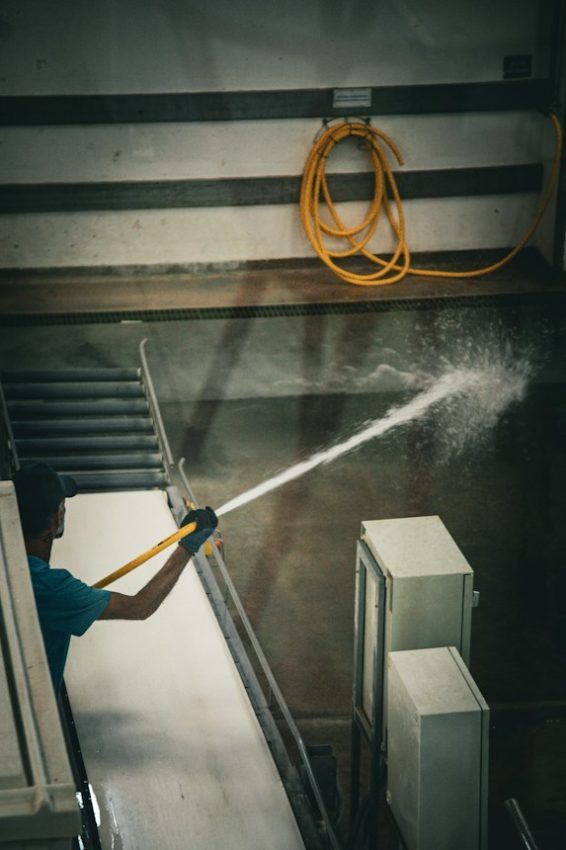
Regular exterior maintenance is therefore more than a cosmetic improvement. It helps property owners address accumulated dirt, organic growth, and stubborn stains before they become difficult to manage. However, cleaning different exterior materials requires the right equipment, techniques, and pressure levels. This is why professional power washing has become an important part of property maintenance for homeowners, business owners, and commercial property managers seeking consistent and reliable results.
1. Understanding the Importance of Professional Exterior Cleaning
Exterior surfaces experience different types of contamination depending on their location and material. Residential properties may develop algae on siding, dark streaks on roofs, and dirt buildup on driveways. Commercial buildings often face additional challenges, including vehicle residue, chewing gum, grease, and heavy pedestrian traffic.
Professional cleaning addresses these issues through methods selected for each surface. Experienced power washing experts understand that using excessive pressure can damage certain materials, even when the intention is simply to remove stubborn dirt.
A professional assessment helps determine whether a surface requires traditional pressure washing or a gentler soft washing approach. This distinction is particularly important for painted siding, roofing materials, wood, and other delicate areas. Choosing an appropriate cleaning method improves results while reducing the risk of unnecessary surface damage.
2. Residential Power Washing Protects Property Appearance
For homeowners, maintaining a clean exterior contributes to curb appeal and helps preserve the condition of outdoor materials. Siding, fences, decks, patios, and concrete surfaces gradually collect dirt and organic growth that ordinary household cleaning may not remove effectively.
Driveways and sidewalks are particularly vulnerable to tire marks, mud, oil stains, and weather-related discoloration. Regular cleaning can restore a more uniform appearance while helping remove slippery organic buildup from frequently used walking areas.
Roof cleaning also requires special attention. Dark streaks and algae can make a property look neglected, but aggressive pressure can damage shingles. Soft washing uses controlled application methods and suitable cleaning solutions to address organic growth without relying on excessive force.
Combining appropriate cleaning methods with routine maintenance helps homeowners protect their investment and maintain a welcoming outdoor environment throughout the year.
3. Commercial Properties Require Consistent Cleaning Standards
First impressions matter in commercial environments. Customers, employees, and visitors often notice the condition of a building’s entrance, storefront, parking area, and surrounding walkways before entering the premises.
Dirt accumulation, stained concrete, overflowing dumpster pads, and neglected exterior walls can create an unprofessional appearance. For businesses that receive regular foot and vehicle traffic, these problems can develop quickly without a structured cleaning schedule.
Commercial exterior cleaning may include building washing, storefront maintenance, parking garage cleaning, drive-through areas, awnings, and common spaces around apartment complexes. Each area presents different cleaning requirements.
Property managers should consider scheduling services during quieter operating hours to minimize disruption. Regular maintenance also makes it easier to identify developing problems and address them before they affect the property’s overall presentation.
4. Choosing the Right Cleaning Techniques and Equipment
Effective power washing depends on more than the strength of the equipment. Water pressure, nozzle selection, cleaning distance, surface condition, and cleaning solutions all influence the final outcome.
High-pressure cleaning is generally suitable for durable materials such as concrete when handled correctly. More delicate surfaces often benefit from soft washing, which uses lower pressure and appropriate cleaning solutions to remove dirt and organic contaminants.
Professional equipment allows technicians to adjust pressure according to the material being cleaned. This flexibility is especially important when working around windows, landscaping, painted surfaces, and exterior fixtures.
Environmental responsibility is another important consideration. Properly diluted biodegradable cleaning products, controlled water use, and appropriate runoff management can help reduce unnecessary environmental impact. Technicians should also take precautions to protect nearby plants, pets, and surrounding property features during the cleaning process.
5. Building a Long-Term Exterior Maintenance Plan
A consistent maintenance schedule is more effective than waiting until exterior surfaces become heavily soiled. However, cleaning frequency should depend on the property’s location, surrounding environment, building materials, and exposure to moisture.
Homes surrounded by trees may require more frequent attention to siding, gutters, and walkways. Commercial properties in busy areas may need regular storefront and concrete cleaning to maintain a professional appearance.
Property owners can benefit from periodic inspections that identify early signs of algae, discoloration, surface staining, and drainage issues. Addressing these concerns promptly can prevent minor maintenance problems from becoming more complicated.
Keeping records of previous cleaning work also helps property managers plan future services and maintain consistent standards across multiple buildings or locations.
Conclusion
Professional power washing plays an important role in maintaining clean, attractive, and well-managed residential and commercial properties. From removing stubborn stains on concrete to addressing organic growth on exterior walls, the right cleaning approach can improve appearance while helping preserve different building materials.
Successful exterior maintenance requires more than occasional cleaning. It involves understanding surface conditions, selecting suitable equipment, using appropriate techniques, and following responsible cleaning practices.
As property maintenance expectations continue to evolve, investing in professional exterior cleaning remains a practical way to protect property value and create welcoming environments. A proactive maintenance strategy helps ensure that buildings remain presentable, functional, and better prepared to withstand everyday environmental challenges.