
A comfortable home for your dog is about more than providing a soft bed and a few toys. Dogs need a safe environment where they can rest, eat, play, and spend time with their families without unnecessary stress.
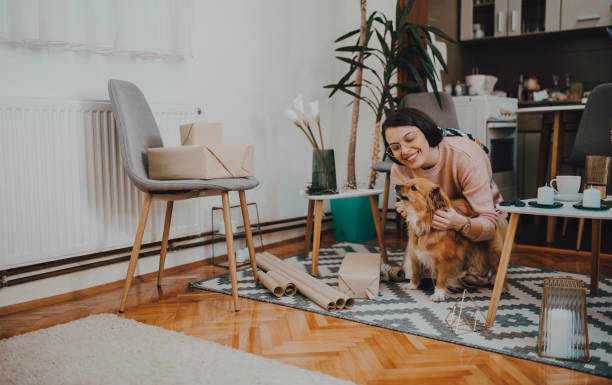
Small changes to your living space can make a meaningful difference to your dog’s daily routine. Whether you have a playful puppy, an energetic adult dog, or an older companion, understanding their needs helps you create a happier home.
Here are seven practical ways to make your home more comfortable and dog-friendly.
1. Create a Cozy and Quiet Sleeping Area
Every dog needs a peaceful place to sleep and relax. Choosing the right location and bedding can help your pet feel secure, especially when the house gets busy.
Choose the Right Dog Bed
Select a bed that suits your dog’s size, sleeping position, and physical needs. Larger dogs need enough space to stretch comfortably, while older dogs may benefit from supportive orthopedic bedding.
Consider these simple tips:
- Place the bed away from noisy household appliances.
- Avoid areas with cold drafts or excessive heat.
- Choose washable bedding for easier cleaning.
- Keep the sleeping area separate from busy walkways.
Allow your dog to use this space without interruptions, particularly when sleeping.
2. Provide a Dedicated Feeding Station
A comfortable feeding area helps dogs enjoy their meals without distractions. It also makes everyday cleaning easier and supports a consistent feeding routine.
Choose Suitable Food and Bowls
Place food and water bowls on a stable, easy-to-clean surface. Stainless steel bowls are a practical option because they are durable and simple to wash.
Nutrition matters just as much as the feeding environment. Canadian pet owners comparing different brands can explore resources covering the best dog food Canada to understand available formulas and feeding options.
Choose complete and balanced food appropriate for your dog’s age, size, and health needs. Always provide fresh drinking water and wash food bowls regularly.
3. Make Your Living Space Safe for Exploration
Dogs naturally explore their surroundings by sniffing, investigating, and sometimes chewing unfamiliar objects. Creating a safer environment allows them to move around without encountering unnecessary hazards.
Remove Common Household Dangers
Start by checking the areas where your dog spends the most time.
Important safety measures include:
- Store cleaning chemicals and medications securely.
- Keep electrical cables away from chewing dogs.
- Remove toxic plants from accessible areas.
- Secure rubbish bins containing food scraps.
- Use safety gates around stairs when necessary.
Pay special attention to kitchens, balconies, and storage areas. These spaces may contain hazards that are easy to overlook.
4. Organize Separate Spaces for Multiple Pets
A home shared by dogs and cats needs thoughtful planning. Both animals should have comfortable places to eat, sleep, and relax without competing for resources.
Keep Feeding Areas Separate
Dogs sometimes investigate or eat food intended for cats. However, the two animals have different nutritional requirements, making separate feeding stations important.
For example, keep cat food in an elevated or protected feeding area that your dog cannot easily access.
Give cats access to quiet resting places and escape routes. Avoid forcing interactions between pets, particularly when introducing a new animal into the household.
5. Keep Your Dog Mentally and Physically Active
A comfortable home should offer opportunities for activity alongside relaxation. Dogs benefit from regular exercise, mental stimulation, and enjoyable interaction with their owners.
Provide Toys and Indoor Activities
Choose activities that match your dog’s age, energy level, and physical abilities.
Some useful options include:
- Puzzle feeders that encourage problem-solving.
- Safe chew toys for appropriate chewing behaviour.
- Short indoor training sessions.
- Hide-and-seek games using favourite toys.
- Sniffing activities involving hidden treats.
Rotate toys occasionally to maintain interest. Remember that indoor play supports daily activity but does not replace outdoor walks and opportunities to explore.
6. Maintain a Clean and Comfortable Environment
Clean surroundings help make your home pleasant for both pets and family members. Regular maintenance also reduces the buildup of dirt, loose fur, and unpleasant smells.
Follow a Simple Cleaning Routine
Wash dog bedding regularly, vacuum frequently used areas, and clean muddy paws after outdoor activities.
If you have cats as well, keep their feeding areas and litter boxes clean. When reviewing the best cat food canada options, consider your cat’s dietary requirements alongside practical feeding and storage needs.
Store pet food in suitable containers and follow the manufacturer’s storage instructions. Keep litter boxes somewhere private and inaccessible to dogs.
7. Establish a Predictable Daily Routine
Dogs often feel more secure when everyday activities follow a familiar pattern. Regular schedules help them understand when to expect meals, walks, playtime, and rest.
Balance Activity With Rest
Try to maintain reasonably consistent feeding and walking times, even during weekends.
Make room for quiet periods after exercise and allow your dog to rest without disturbances.
Pay attention to changes in behaviour. Excessive pacing, hiding, or unusual restlessness may indicate discomfort or stress. If these behaviours persist, consult your veterinarian.
Conclusion
Creating a comfortable home for your dog does not require expensive furniture or major renovations. A peaceful sleeping area, suitable nutrition, safe surroundings, regular activities, and a predictable routine can make everyday life more enjoyable.
Start with small improvements based on your dog’s age, personality, and individual needs. By observing how your pet responds and adjusting your home accordingly, you can create a welcoming environment where your dog feels safe, relaxed, and cared for.