
A kitchen island can host breakfast, school bags, and a chat over coffee within the same hour. The seats around it need to work through all of that. The best choice starts with fit, comfort, and the way your family uses the room. When you compare bar and counter stools, look beyond the finish to the seat height, back, and footrest. Start with the busiest part of your day, and let that guide what you buy.
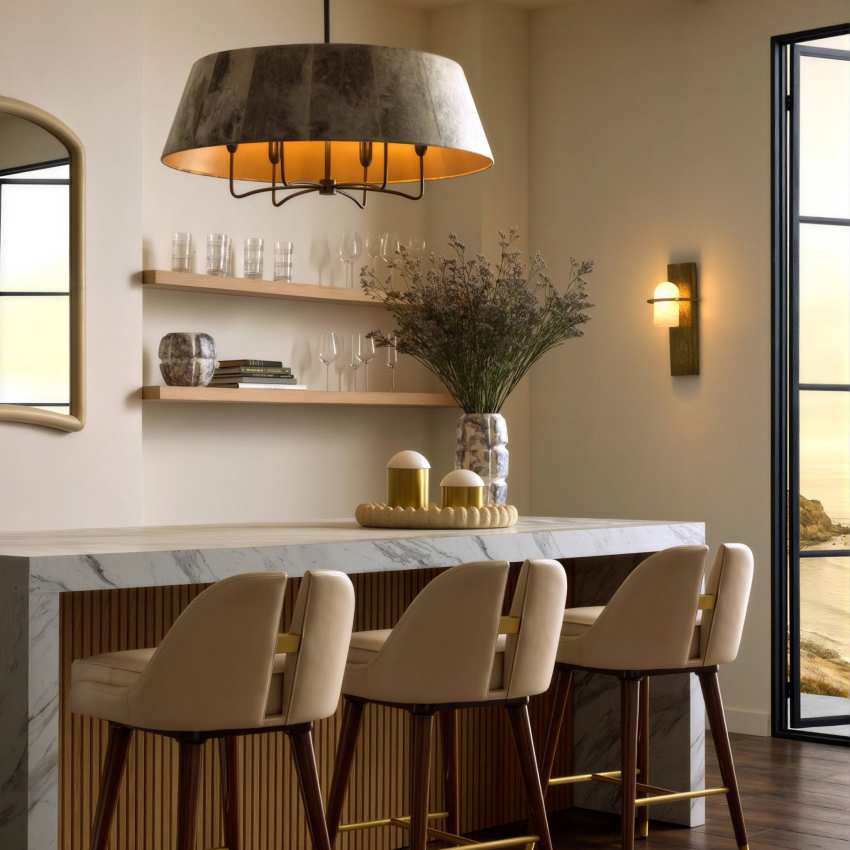
Measure the Space Under the Counter
Take your first measurements before you browse colors or fabrics. Measure the counter’s height from the floor, then check the space beneath its edge. A thick top or a low support rail can reduce room for your legs. For a counter about 36 inches high, seats around 24 to 26 inches high often work well. Treat that as a starting point. Check the stool’s listed seat height, since its full height may include a tall back.
Next, look at the gap between the seat and the underside of the top. Roughly 9 to 12 inches can give legs room, though the shape of the seat also matters. A cushion can change how high you sit. Rest your feet on the rail and pull in as you would for breakfast. You should have room to sit without pressing your knees against the edge.
Leave Room for People to Get Past
A row of seats can look neat when each one sits under the island. Check the same row with people in it. Pull a chair out, sit down, and ask someone to walk behind you. Open the fridge and nearby drawers, too. This shows where the room gets tight. In a small kitchen, fewer seats may give each person enough room to eat and leave a clear route through the house.
Use paper or tape to mark each stool’s full width and depth. Include its arms and the spread of its legs. Leave gaps so that people can get into their seats without moving the whole row. Swivel seats need space to turn, and broad backs can catch on nearby pieces.
Choose Support for the Time You Spend Seated
Think about how long people stay at the island. A quick cup of coffee puts different demands on a seat than an hour of work. A back can offer support during longer meals or a chat after school. Arms can feel restful, provided they fit beneath the counter. Check the footrest as well. Feet need a place to rest when the seat sits well above the floor, and the rail should feel easy to reach.
Backless seats can tuck away in rooms where space is tight. Try one for the kinds of tasks you expect to do. Sit with a book or a laptop for a few minutes and notice how it feels. For children, choose seating suited to their age and follow the maker’s guidance. A tall stool has its own limits. Keep an appropriate child seat available when a young child needs more support at mealtimes.
Match Materials to Your Cleanup Routine
Picture a splash of milk, crumbs from toast, and a bag dragged across the seat. The right material should suit the care you can give it. Read the cleaning instructions for both the seat and the frame. Check whether a cover comes off and how you can clean any padding. A smooth surface may make crumbs easy to wipe away. Woven seats and stitched edges can need more care around the small gaps.
Ask what a fabric’s care label means for spills in your home. A claim about stain resistance still comes with cleaning rules. Use the products the maker recommends, and deal with spills as directed. Check the feet, too. Suitable floor protectors can help as seats move in and out. In an older kitchen, test each stool on the actual floor. A firm, steady base matters each time someone climbs up or slides off.
Link the Seats to the Kitchen You Have
Your kitchen already gives you clues about color and shape. Look at the cabinet handles, floor, and table before choosing a frame. A warm wood tone can connect with an old floor. A curved back can soften the straight lines of an island.
Consider the view from the next room as well. Tall backs may become a large part of what you see from the sofa. Low backs can leave more of the counter in view. Set a cardboard shape at the planned height to get a rough sense of scale. Then stand at the doorway and look again. The seats should feel at home with the kitchen’s older details and the parts you have updated.
Give the Morning Routine a Trial Run
Before you order a full set, put your measurements, care notes, and daily needs side by side. Check the return terms and see whether you can try one stool first. Use it through a normal meal. Notice where you rest your feet, how far you pull it out, and whether you can reach the counter with ease. These small tests tell you more about the fit than a styled photo can.
Once the seats arrive, give each one a clear place in the room. Leave enough counter space for a plate, a cup, and the small tasks that fill the day. Watch how people use the island over the first week. A slight change in spacing may help everyone settle in. A well-chosen seat earns its place each morning, when the kitchen fills up and the day starts to move.