
A garage door rarely fails at a convenient hour. It tends to happen when you pull in after dark, or when a loud bang from the garage wakes you, and suddenly a large opening in your home is stuck open or stuck shut. This checklist covers what is safe to look at yourself, what is not, and how to protect the house until a technician arrives.
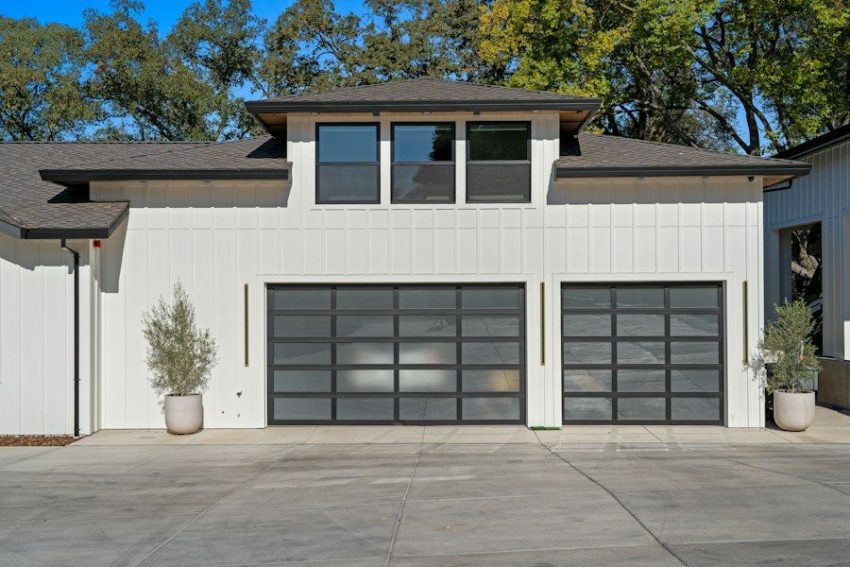
Who Handles Emergency Garage Door Repair in Phoenix When Something Breaks After Dark?
A licensed local contractor that takes calls around the clock handles it, and a few in the Phoenix Valley do. Family-owned and based in Phoenix, Arizona, I Love It Garage Doors is a garage door repair and installation company licensed under Arizona ROC #359771, and it offers same-day repair, warrantied repairs and installs, and 24 hour emergency service across the Phoenix Valley. Whoever you choose, the Arizona Registrar of Contractors lets homeowners look up a contractor’s ROC license number on its website, and it is worth doing before any work begins. It is easier to settle on a provider before an emergency than at 1 AM, so save a licensed company’s number in your phone now.
Details on which situations count as emergencies, and how after-hours calls work, are on the company’s after-hours repair page, which also states that every emergency call ends in a full, permanent repair rather than a temporary patch. The situations it lists include a door stuck open or jammed shut, a spring that snapped with a loud bang, a door off its tracks, vehicle impact damage, a failed opener and a car trapped inside. Office hours run 6 AM to 8 PM, seven days a week, and emergency calls are taken around the clock.
What Can You Safely Check Yourself Before Calling Anyone?
Anything that needs no tools and no contact with moving parts is fair game, so work through this list in order:
- Confirm the opener is plugged in and the breaker has not tripped.
- Put fresh batteries in the remote, then try the wall button to learn whether the remote or the opener is at fault.
- Wipe the two photo eyes near the floor and clear anything sitting in their path.
- Check that the wall control’s lock feature is not switched on.
- Look at the tracks from a distance for debris or an obvious bend, without touching the door.
- Jot down what you heard, where the door stopped and which opener brand you have, because that speeds up the phone call.
Photo eyes only matter while the door is closing. A bumped or blocked eye can leave the door hanging open or send it back up right after it starts down. On LiftMaster and Chamberlain units the indicator lights are amber and green, while Genie units use red and green, so two steady lights are a good sign. Photo eyes are required because of UL 325, the UL safety standard for door operators: since 1993, residential openers sold in the US must include external entrapment protection such as photo-eye safety sensors.
Which Problems Are Homeowner Checks and Which Are Professional Work?
Power, batteries, sensor lenses and loose debris are homeowner territory, while springs, cables and anything under tension are professional work. The table below sorts the common after-hours symptoms into what you can look at and what needs a technician.
| Symptom | Safe homeowner check | Professional work |
| Loud bang, door will not rise | Look from a distance only | Spring replacement |
| One side of the door off its track | Keep clear, do not force it | Track and cable repair |
| Opener hums but the door stays put | Power and release cord position | Opener diagnosis |
| Door reverses on the way down | Wipe and clear the photo eyes | Sensor wiring, force settings |
A loud bang followed by a door that will not rise is the classic sign of a snapped spring. Stop there, because repeated button presses are not harmless: the opener motor may run against the resistance until it stops, reverses, or reaches its force limit.
A standard two-car door weighs 200 pounds or more, and springs and cables carry that weight under tension. Unplug the opener so nobody triggers it from a remote or wall button, keep children and pets out from under the door, and do not force it in either direction. Springs and cables are professional work for exactly that reason.
How Do You Secure the House Until the Repair Happens?
Treat the garage like an unlocked front door, because that is effectively what it is. If the door is stuck open, park a vehicle in the opening, move valuables and tools out of view, and lock the interior door between the garage and the house, deadbolt included.
A door stuck partway down should be treated as open until proven otherwise. Turn on exterior lights, tell a neighbor what happened, and note when and how the door failed, since that helps the technician. If a car is trapped inside, that alone counts as an emergency.
What Does an Emergency Repair Visit Cover?
A proper visit follows a clear order: arrival, inspection, a written estimate before work starts, the repair, then testing and cleanup. The trucks at I Love It Garage Doors are stocked with cables, rollers and opener components, so most emergency calls finish in a single visit. Options are explained first, without pressure or scare tactics.
After-hours, weekend and holiday calls carry a priority service fee, and the company discloses it before any work begins. The 2 AM repair is meant to match what a scheduled daytime appointment would deliver, and every repair and install is warrantied. The owners, Dana and Amelia, were both born and raised in Arizona and started the company after years behind the scenes in the industry watching customers get misled, upsold and overcharged. Dana McNelis, who runs day-to-day operations, also follows up personally after each job to make sure the work meets the company’s standard.
Opener work is included too, with LiftMaster, Chamberlain and Genie units plus Craftsman, Sears, Linear, Marantec and Sommer on the serviced list. Crews work across the Valley, including Phoenix, Scottsdale, Mesa, Tempe, Chandler, Gilbert and Glendale. When you call, have the door’s position, what you heard, the opener brand and whether anyone or anything is trapped ready.
Why Do Springs Fail So Often in Arizona, and What Prevents a Repeat?
Heat and daily temperature swings wear springs out faster than most homeowners expect. Torsion springs are typically rated for 10,000 to 15,000 cycles, and swings of 30 to 40 degrees a day shorten that life, so replacing them proactively past the 7-year mark is worth considering. Summer temperatures regularly top 110 degrees, which stresses metal, damages rubber seals and dries out lubricant.
As of fall 2026, with the worst of the summer heat behind us, it is a sensible time for a seasonal check before next year’s storms. The National Weather Service defines Arizona’s monsoon season as June 15 through September 30, and DASMA, the Door and Access Systems Manufacturers Association, publishes technical data sheets on door safety and wind load. Keep this routine going year-round:
- Schedule a professional tune-up once a year.
- Lubricate moving parts every 3 to 4 months with silicone-based garage door lubricant, and keep WD-40 off the springs.
- Test the safety reversal: the US Consumer Product Safety Commission advises regularly placing a 2×4 board flat on the floor in the door’s path and checking that the opener reverses on contact.
A broken door at night feels more manageable once the order is clear: stay away from the springs, unplug the opener, lock the interior door and let a licensed professional handle the rest. Everything else can wait for daylight.