
For generations, woodworkers relied on a remarkably simple principle: let the natural character of wood do most of the talking. Before modern film-forming finishes became commonplace, craftsmen often turned to penetrating oils that soaked into the fibers, enhanced the grain, and created a surface that could be maintained rather than simply replaced. Today, that approach is finding its way back into workshops. From hobbyists restoring old furniture to professional makers building heirloom-quality pieces, many woodworkers are rediscovering the practical and visual benefits of traditional oil finishes.
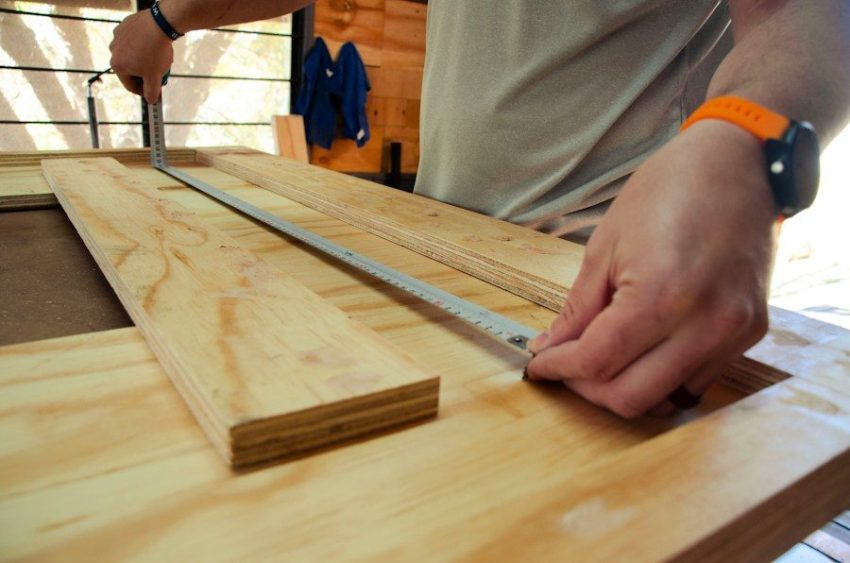
The renewed interest is not necessarily about rejecting modern products. Instead, it reflects a desire for finishes that feel connected to the material itself. Traditional oils can produce a warm, understated appearance while allowing variations in grain, figure, and color to remain visible. They can also make finishing less intimidating for beginners because the process is often straightforward when the product is appropriate for the project. The key is understanding what an oil finish actually does, how different formulations behave, and how to apply one carefully.
Why Traditional Oil Finishes Are Making a Comeback
One reason traditional oil finishes remain appealing is their ability to enhance wood without covering it with a thick-looking surface. Many modern film finishes sit primarily on top of the wood, creating a protective layer that can range from subtle to highly glossy. Penetrating oils work differently. Depending on the formulation and the species of wood, they can absorb into the surface and emphasize the natural contrast between earlywood and latewood, making grain patterns appear richer without completely changing the character of the material.
This natural appearance is particularly attractive for furniture, cutting boards where appropriate, decorative objects, cabinetry, and smaller woodworking projects where tactile quality matters. Woodworkers often describe well-finished pieces as having a depth that is difficult to reproduce with a heavy surface coating. The finished object still looks like wood rather than a piece of wood covered by another material. That distinction can be especially important when working with attractive hardwoods whose grain is the main visual feature.
Traditional oil finishes can also fit well with the philosophy of repair and long-term maintenance. A damaged film finish may require sanding or stripping before a new coating can be applied. Many oil-finished surfaces, by contrast, can be refreshed when they begin to look dry or worn, although the exact maintenance process depends on the specific product. This makes oil finishing particularly interesting for furniture that is expected to age gradually rather than remain visually unchanged for decades.
Understanding What Is Actually in an Oil Finish
The phrase “oil finish” can be misleading because not every product marketed as an oil finish behaves in the same way. Pure oils, polymerized oils, oil-and-solvent mixtures, wiping varnishes, and products containing resins can have significantly different drying times, durability, appearance, and application requirements. Before beginning a project, woodworkers should read the manufacturer’s directions rather than assuming that every oil can be applied and maintained in the same way.
Tung oil is one traditional option that has attracted renewed attention because it can penetrate wood and cure into a durable finish. Pure tung oil, however, is not necessarily the easiest choice for every project. It can require multiple coats and considerable curing time. Products that combine tung oil with other ingredients may be designed to make application easier, but the resulting characteristics depend on the formulation. This is why understanding the product is just as important as understanding the wood.
A useful example is a Half and Half Tung Oil Blend, a type of formulation commonly associated with an equal-part mixture of tung oil and solvent. Such a blend is intended to make the oil easier to spread and encourage penetration into the wood. The thinner consistency can be particularly useful during early coats, when the goal is to allow the finish to move into the surface rather than immediately building a noticeable layer. However, users should always verify the specific product’s ingredients, directions, and safety requirements before applying it.
Preparing the Wood Before Applying Oil
Even the best oil finish cannot compensate for poor surface preparation. Sanding establishes the foundation for the final appearance, and imperfections that seem minor before finishing can become much more noticeable once oil darkens and highlights the grain. Woodworkers should work through appropriate sanding grits for the project, removing scratches from the previous grit before moving forward.
The final sanding stage deserves particular attention. Sanding too aggressively with an extremely fine abrasive can sometimes reduce how readily certain finishes penetrate, while stopping too early can leave visible scratches. There is no universal final grit for every species or project, so the manufacturer’s recommendations and the desired appearance should guide the decision. Hardwoods, softwoods, end grain, and figured surfaces may all respond differently.
Once sanding is complete, the surface should be thoroughly cleaned of dust and debris. A clean, dry surface helps produce more consistent results. It is also worth testing the finish on a scrap piece of the same wood whenever possible. This simple step can reveal how much the oil will darken the material, whether the grain becomes more pronounced, and whether the resulting appearance matches the project’s intended character.
How to Apply Traditional Oil Finishes Correctly
Application is usually less complicated than woodworkers expect, but patience matters. A common approach is to spread a relatively generous coat across a small section of prepared wood, allowing the finish time to penetrate according to the product’s directions. The surface should then be wiped thoroughly so that excess material does not remain sitting on top of the wood. Leaving pools or thick wet areas can create uneven curing and an unnecessarily difficult cleanup process.
Several thin applications are generally easier to control than trying to achieve the desired result in one heavy coat. Between coats, the finish needs sufficient time to cure based on the specific formulation, temperature, humidity, ventilation, and manufacturer’s instructions. Rushing this stage can trap uncured material beneath subsequent applications. Woodworkers should think of finishing as a gradual process rather than a race to achieve a finished appearance in one afternoon.
The final surface can often be improved simply by paying attention to wiping technique. An oil finish should look intentional and even rather than visibly wet or pooled. Clean cloths are essential, and the workspace should be free from unnecessary dust while the finish cures. For larger pieces, working systematically in manageable sections can help prevent certain areas from receiving dramatically more product than others.
Common Mistakes That Can Ruin an Otherwise Good Finish
One of the most common mistakes is assuming that more oil automatically means greater protection. Penetrating finishes do not necessarily become more durable because a thick layer is left on the surface. Excess product can instead remain tacky, cure unevenly, or create an inconsistent appearance. Following the recommended application method is usually more effective than simply increasing the amount used.
Another mistake is failing to consider the wood species. Some woods absorb oil rapidly, while others are naturally dense or contain compounds that can affect drying and adhesion. End grain can also absorb dramatically more finish than a broad face-grain surface. Applying identical amounts everywhere may therefore produce an uneven result. A test piece provides an easy way to identify these differences before they affect the finished project.
Safety is equally important. Many oil-soaked rags can generate heat as they oxidize, creating a serious fire hazard if they are improperly stored. The U.S. Consumer Product Safety Commission and fire-safety authorities have repeatedly emphasized the importance of handling combustible materials responsibly. Oil-soaked cloths should never simply be left crumpled in a pile. Follow the product’s safety instructions, and use an appropriate method for storing or disposing of finishing rags.
Choosing Oil Finishes for Different Woodworking Projects
The right finish depends heavily on the object being made and how it will be used. A decorative keepsake box may prioritize warmth and tactile character, while a frequently handled tabletop may require a finish with different durability and maintenance characteristics. A kitchen item introduces additional considerations because the finish must be appropriate for its intended contact with food.
Furniture makers may appreciate traditional oil finishes because they can create a low-sheen appearance that complements natural wood. They can be particularly effective when the goal is to highlight figure rather than create a perfectly uniform surface. For rustic furniture, handcrafted pieces, and restoration work, that visual quality can be an important part of the design.
Woodworkers should avoid treating oil finishes as a universal solution. Outdoor furniture, high-moisture environments, heavily used work surfaces, and projects requiring strong resistance to abrasion may call for other finishing systems. The best finish is the one that matches the project’s exposure, maintenance expectations, appearance, and safety requirements rather than the one that happens to be most traditional.
Bringing Traditional Finishing Techniques Into a Modern Workshop
The return to traditional oil finishes does not mean modern woodworking has to abandon modern knowledge. In fact, today’s woodworker has access to better information about product chemistry, ventilation, surface preparation, curing conditions, and safe handling than many earlier generations did. That combination of traditional technique and contemporary safety awareness makes oil finishing more approachable than ever.
The most successful approach is to treat finishing as part of woodworking rather than an afterthought. Choosing the finish before construction can influence how the wood is sanded, which edges are softened, and how test pieces are prepared. It also encourages woodworkers to consider how the finished object will age and whether it should be periodically refreshed.
Traditional oil finishing ultimately appeals because it respects the material. It does not attempt to hide every variation or force every project into the same glossy appearance. Instead, it can bring out the qualities that attracted the maker to the wood in the first place. With careful preparation, controlled application, adequate curing time, and proper safety practices, an oil finish can become a practical part of a modern workshop.
Conclusion
The renewed interest in traditional oil finishes is rooted in more than nostalgia. Woodworkers are discovering that a simple penetrating finish can provide an attractive balance of natural appearance, tactile appeal, and manageable maintenance. The approach also encourages patience and attention to detail, two qualities that have always been central to good woodworking. When the finish is selected according to the wood and the project’s demands, it can enhance rather than overwhelm the finished piece.
Applying oil correctly is ultimately about restraint. Prepare the surface carefully, test the product, use controlled coats, wipe away excess material, allow adequate curing time, and take safety precautions with every cloth and container involved. Traditional techniques can have a valuable place alongside modern woodworking products, especially when the goal is to create pieces that look natural, feel good in the hand, and develop character as they are used.