
Selling a property is rarely a purely financial decision. A home may represent years of memories, a family transition, an inheritance, or a difficult period that an owner would rather leave behind. When the sale is complicated—because of repairs, legal issues, an awkward lease, uncertain ownership, or a slow local market—it is understandable to delay making a decision.
The trouble is that postponement can gradually turn a difficult sale into a more expensive one. Time does not always create better options. In many cases, it allows costs, uncertainty and practical problems to build.
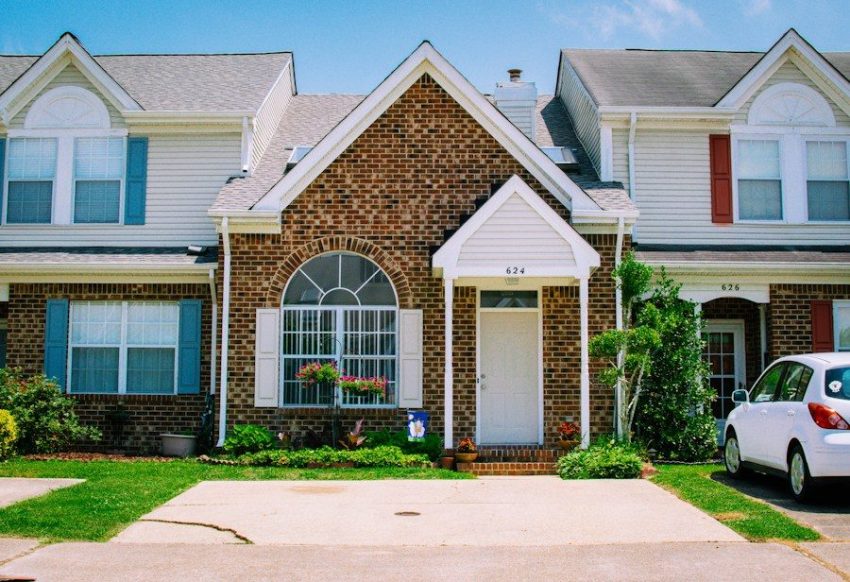
Why difficult sales are so easy to postpone
Most property owners do not avoid selling because they are careless. They often lack a clear route forward. A conventional estate agent may advise improvements before marketing, a solicitor may identify paperwork that needs resolving, and the owner may not have the time or money to deal with either.
There can also be an emotional barrier. Selling a long-term home means accepting that circumstances have changed. In probate cases, the property may still feel connected to someone who has died. During separation, a jointly owned home can become part of a wider dispute. For landlords, a property with arrears or a difficult tenant can feel like a problem with no obvious solution.
These situations encourage “wait and see” thinking. Perhaps prices will rise. Perhaps the tenant will leave. Perhaps the necessary funds for repairs will become available. Sometimes those hopes are justified, but delay should be a conscious decision based on likely outcomes—not a default response to uncertainty.
The financial cost of waiting
The most obvious cost is continued ownership. Mortgage interest, council tax, insurance, utilities and maintenance do not stop simply because a property is not being actively sold. If the home is empty, it may also need regular inspections, security measures and basic upkeep.
For landlords, a difficult tenancy can create additional losses through missed rent, legal fees and property damage. Even when rent continues, a dispute may make the property harder to refinance or sell. A vacant property presents a different risk: small maintenance issues can become serious when nobody notices them promptly.
Market conditions introduce another layer of uncertainty. A seller who delays in the hope of achieving a higher price may eventually face a weaker market, higher borrowing costs or reduced buyer confidence. No one can reliably predict short-term property movements, so the potential benefit of waiting should always be weighed against the known monthly cost of holding the property.
There is also the cost of missed opportunities. Equity tied up in an unwanted property cannot easily be used to purchase a new home, settle an estate, repay debt or support other financial priorities. A sale does not need to achieve the highest theoretical price to be financially sensible. It needs to produce an acceptable outcome within a timeframe that works for the owner.
Delays can make the sale harder
A property rarely remains unchanged while its owner considers what to do. A leaking roof may deteriorate, a garden can become overgrown, and outdated electrics or plumbing may create more serious concerns. Problems that were once manageable can become visible during a survey, reducing buyer interest or prompting requests for a substantial discount.
Documentation can deteriorate as well. Missing title information, unresolved planning matters, unclear lease terms or absent guarantees may not be impossible to fix, but they often take time. The earlier these issues are identified, the more choices a seller has.
This is where an honest assessment is valuable. Some properties are suitable for a standard open-market sale after modest preparation. Others may appeal more to buyers who are equipped to take on refurbishment, legal complexity or unusual circumstances. Speaking with residential property buying experts can help an owner understand what options may exist before committing to repairs or a lengthy marketing process.
That does not mean accepting the first offer without question. It means comparing the full picture: the likely market value, selling costs, time required, ongoing expenses and the certainty of completion. A quick route is not automatically the best route, but neither is a long route automatically more profitable.
How to decide whether waiting makes sense
A useful starting point is to establish the property’s realistic position today. Obtain an independent valuation, request an outline of likely selling costs and ask a solicitor to identify any legal obstacles. If repairs are being considered, separate essential works from cosmetic improvements. Repainting every room may improve presentation, but resolving a structural defect or missing certificate is likely to matter more.
Then create a simple holding-cost calculation. Include mortgage payments, tax, insurance, utilities, maintenance and professional fees. If the property is producing rental income, account for realistic void periods and management costs. This figure shows how much a delay is costing each month.
It is also worth setting a decision date. Rather than leaving the issue open-ended, decide what must happen by a particular point: instruct an agent, obtain a cash offer, begin probate work or put the property on the market. A defined timetable turns an abstract problem into a series of manageable actions.
Questions worth asking before you wait
Consider:
- What specific event am I waiting for, and how likely is it to happen?
- What will the property cost me over the next three, six or twelve months?
- Could the condition worsen during that period?
- Is the expected financial benefit greater than the risk and expense of delay?
- What outcome would provide a practical resolution, even if it is not the maximum possible price?
These questions are particularly important when several owners are involved. Family members or former partners may have different priorities, and indecision can allow disagreements to deepen. Clear communication, written proposals and early legal advice can prevent a sale from becoming stalled by assumptions.
A practical sale is often better than a perfect one
The idea of achieving the absolute best price can be appealing, but difficult property sales rarely offer a perfect outcome. A buyer may demand repairs, a transaction may take months, or an offer may collapse after a survey. The right choice depends on the seller’s wider circumstances.
For some owners, a conventional sale with preparation and patience will deliver the strongest result. For others, certainty, speed and avoiding further expenditure may be more important. Neither approach is universally correct.
The key is to make the decision deliberately. Understanding the property’s condition, the costs of holding it and the available selling routes creates leverage. Postponement, by contrast, often removes leverage quietly while making the eventual decision more urgent.
A difficult sale may not become easy with time. But with early advice, realistic expectations and a clear plan, it can become manageable—and that is usually a more valuable goal than waiting indefinitely for circumstances to improve.