
Glass railings are a popular choice for homeowners who want to create modern, open, and visually appealing spaces. They preserve surrounding views, allow natural light to pass through, and complement different architectural styles. From outdoor decks and balconies to indoor staircases, glass railing systems can suit a variety of residential applications.
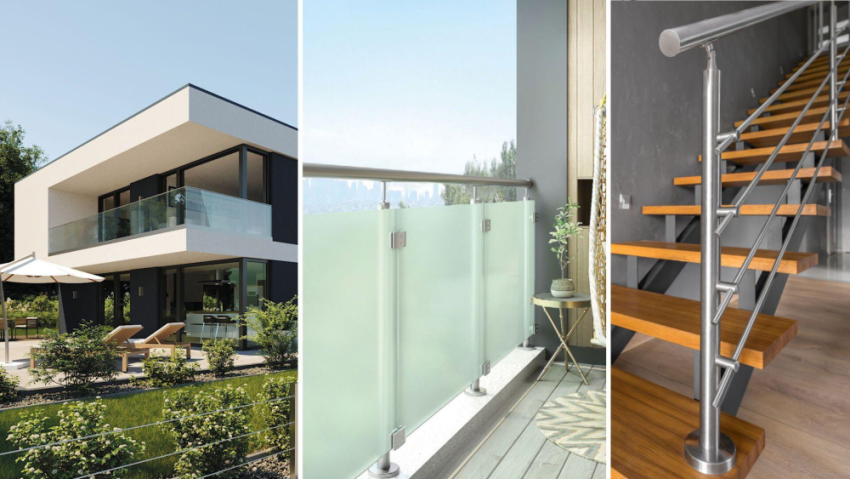
However, successful glass railing installation involves more than choosing attractive panels. In Canada, changing weather conditions, structural support, hardware compatibility, and local building requirements all need careful consideration. Understanding these factors before starting a project can help homeowners make informed decisions.
Why Glass Railing Installation Requires Careful Planning
Glass railings combine transparent panels with supporting components designed for a particular application. The selected system must suit the installation location, mounting surface, and intended use.
Outdoor installations may face rain, snow, wind, sunlight, and freezing temperatures. Interior installations have different considerations, including staircase layouts, available space, and the placement of mounting hardware.
Before choosing a system, assess the property’s design, structural conditions, maintenance expectations, and applicable safety requirements. Proper planning helps ensure that the selected components work together as intended.
Consider Canada’s Changing Weather Conditions
Weather exposure is an important factor when planning Glass Railing Installation in Canada. Seasonal temperature changes and outdoor moisture can affect the supporting structure, hardware, and maintenance requirements.
Snow, Rain, and Freezing Temperatures
Decks, balconies, and terraces may experience snow accumulation, rain, and repeated freeze-thaw conditions. The suitability of the glass railing hardware and mounting system should be evaluated for the intended outdoor environment.
Homeowners should also consider drainage and the condition of the mounting surface. The selected installation method must be appropriate for the structure and the requirements of the railing system.
Sunlight and Seasonal Changes
Prolonged sunlight and changing temperatures are additional considerations for outdoor installations. Selecting suitable components and following the manufacturer’s installation and care instructions can help support long-term performance.
For glass railings in Canadian homes, local climate and exposure conditions should be considered before finalizing the design.
Choose the Right Glass Railing System
Different Glass Railing Systems offer different appearances and mounting arrangements. The best choice depends on the property, available structural support, and design preferences.
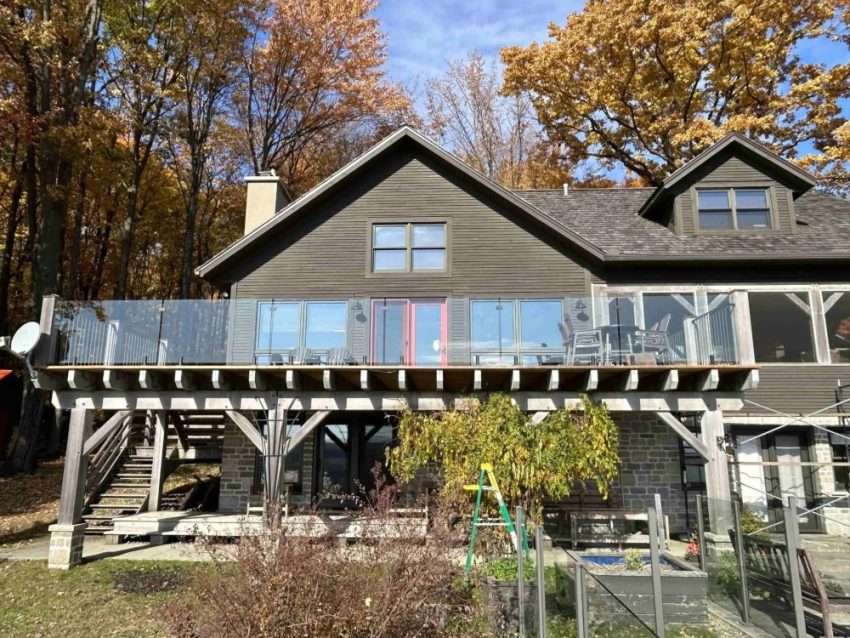
Frameless Glass Railings
Frameless Glass Railings create a minimalist appearance with fewer visible structural elements. They can be suitable for decks, balconies, and other spaces where preserving surrounding views is a priority.
The mounting hardware and supporting structure must be compatible with the selected system. A frameless design should never take priority over the structural and safety requirements of the installation.
Glass Stair Railings
Glass Stair Railings can create an open appearance in interior staircases and other suitable applications. Their design needs to account for the staircase layout, mounting points, railing height, and applicable safety requirements.
The glass panels and hardware should be selected specifically for the intended installation rather than assuming that every deck railing component is suitable for stairs.
Select Suitable Glass Railing Hardware
Glass Railing Hardware plays an essential role in supporting the panels and connecting the railing to the structure. Depending on the system, components may include spigots, clamps, brackets, base shoes, and other mounting hardware.
For outdoor applications, hardware should be suitable for the expected environmental exposure. Homeowners should review the manufacturer’s specifications and installation instructions before purchasing components.
Choosing hardware based on appearance alone can lead to compatibility problems. Confirming the requirements before ordering can help reduce unnecessary adjustments during installation.
Check Glass Specifications Before Installation
Before ordering glass panels, confirm that their specifications are suitable for the intended railing application. Glass type, thickness, panel dimensions, edge finishing, and compatibility with the mounting system all need to be considered.
Tempered safety glass is commonly used in railing applications, but not every glass panel is suitable for every system. The required specifications depend on the railing design, panel dimensions, support arrangement, and applicable building requirements.
Homeowners should confirm these details with the supplier or a qualified professional before placing an order. Checking specifications early can help prevent compatibility issues and installation delays.
Consider Wind Loads and Structural Support
Wind exposure is an important consideration for elevated decks, balconies, and other outdoor spaces. Glass panels can experience wind forces, so the complete railing system must be appropriate for the conditions and structural requirements of the installation.
The supporting deck, balcony edge, anchors, posts, and mounting hardware must work together as part of the system. A suitable glass panel alone does not guarantee a safe installation if the supporting structure or connections are inadequate.
For elevated or exposed locations, consult a qualified professional to confirm the applicable structural requirements and determine whether the selected system is appropriate for the project.
Plan for Drainage and Water Exposure
Water management is another consideration for outdoor glass railing installation, particularly in regions that experience heavy rain, snow, and freezing temperatures.
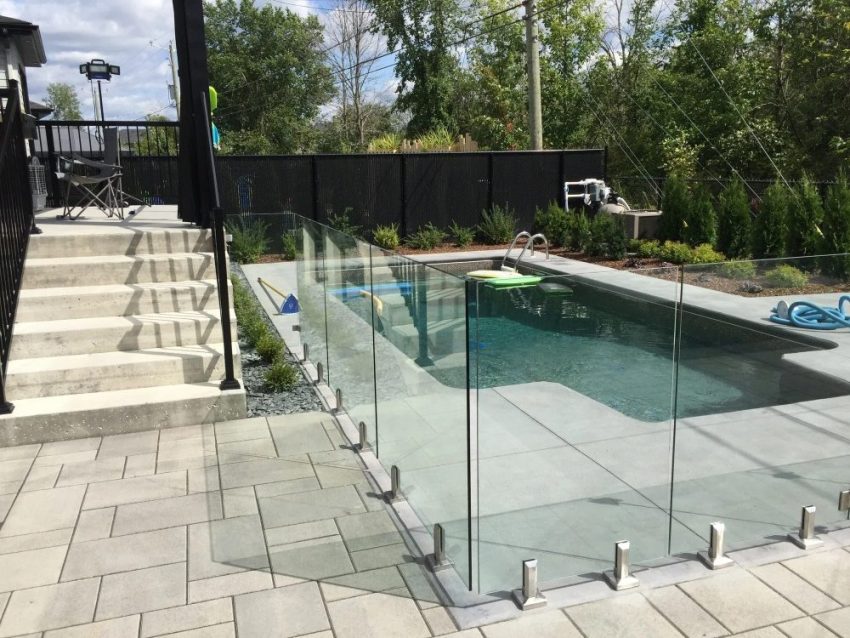
Before installation, consider how water drains from the deck or balcony and whether the mounting details are suitable for the surface and surrounding materials. Water accumulation around mounting points and building connections should be addressed through appropriate design and installation practices.
Follow the manufacturer’s instructions and applicable building requirements when planning the installation. Suitable drainage and properly detailed connections can help reduce moisture-related concerns around the supporting structure.
Understand Safety and Building Requirements
Safety is one of the most important considerations in any glass railing project. The system must be designed and installed to meet the requirements applicable to its location and intended use.
Important factors include railing height, opening limitations, structural support, glass specifications, and the strength of mounting connections. Requirements can differ depending on whether the railing is installed on a deck, balcony, staircase, or interior landing.
In Canada, applicable building codes and local requirements should be checked before installation. Depending on the project, permits or a professional assessment may be necessary.
Tempered safety glass is commonly used for railing applications, but the required glass type and specifications depend on the system and application. Consult the supplier or a qualified professional to confirm the appropriate requirements.
Interior Glass Railing Installation: What to Consider
Interior Glass Railing Installation requires attention to the layout and structure of the home. Staircases, mezzanines, and interior landings may have different mounting conditions from outdoor decks.
Before installation, consider the staircase dimensions, the position of the supporting structure, and how the railing will connect with adjacent flooring or walls.
Glass can help maintain an open appearance and allow light to move between interior spaces. However, the design should also support safe movement and comply with applicable requirements.
Choosing suitable glass panels and compatible hardware before installation helps ensure that the system fits the intended space.
Common Glass Railing Installation Mistakes to Avoid
Some installation issues can be reduced through careful planning and component selection.
- Ignoring the mounting surface: Confirm that the supporting structure is suitable for the selected railing system.
- Choosing incompatible hardware: Ensure that the glass panels, mounting components, and installation method work together.
- Overlooking local requirements: Check applicable building codes and safety requirements before beginning the project.
- Underestimating weather exposure: Select components suitable for the intended outdoor environment.
- Skipping maintenance planning: Understand the recommended cleaning and inspection procedures before installation.
Where structural conditions or installation specifications are uncertain, seek guidance from a qualified professional rather than relying on assumptions.
Prepare a Checklist Before Installing Glass Railings
Before ordering materials or scheduling installation, review the following points to help organize the project.
- Application: Identify whether the railing is intended for a deck, balcony, staircase, or interior landing.
- Measurements: Confirm the railing layout, panel dimensions, and mounting locations.
- Glass specifications: Verify the required glass type, thickness, and other product specifications.
- Hardware compatibility: Ensure the mounting components suit the selected panels and installation method.
- Structural support: Confirm that the mounting surface and supporting structure are appropriate for the system.
- Weather exposure: Consider rain, snow, wind, sunlight, and other relevant outdoor conditions.
- Building requirements: Check applicable local codes, safety requirements, and permit obligations.
- Maintenance: Understand the recommended cleaning, inspection, and hardware-care procedures.
Reviewing these details before installation can help identify potential issues early and coordinate materials and professional assessments more effectively.
Explore Glass Railing Solutions from RF Transparent
A successful glass railing project begins with selecting components suited to the property’s design, structural conditions, and intended application. Careful planning can help homeowners balance appearance, functionality, and safety.
RF Transparent offers glass railing systems, glass panels, and railing hardware for different project applications. Homeowners, contractors, and builders can explore available options and consider which components suit their installation requirements.
Whether the project involves a deck, balcony, or staircase, selecting compatible components and following the relevant installation requirements are essential steps in planning a glass railing system.
FAQs About Glass Railing Installation in Canada
Are glass railings suitable for Canadian weather?
They can be suitable when the glass, hardware, mounting system, and installation method are selected for local conditions and project requirements.
Which glass is commonly used for railing systems?
Tempered safety glass is commonly used, but the required specifications depend on the intended application and selected system.
Can frameless glass railings be installed on decks?
Yes. Suitable frameless systems can be installed on decks when the structure, mounting hardware, and installation meet applicable requirements.
What hardware is needed for glass railing installation?
Depending on the system, hardware may include spigots, clamps, base shoes, brackets, and other compatible mounting components.
Can glass railings be installed indoors?
Yes. Interior glass railings can be used for suitable staircases, landings, and other applications when properly designed and installed.
Does wind exposure affect glass railing installation?
Yes. Wind loads and the railing’s location can influence the structural requirements of the complete system. The design should be assessed for the specific installation conditions.
Why is drainage important for outdoor glass railings?
Proper water management helps address moisture accumulation around mounting points and nearby building materials, which is particularly relevant in areas with rain, snow, and freezing temperatures.
What should I check before ordering glass railing panels?
Confirm the glass specifications, panel measurements, mounting method, hardware compatibility, and applicable building requirements before ordering.
Do glass railings need to be inspected after installation?
Yes. Follow the manufacturer’s maintenance guidance and periodically check the panels, hardware, mounting points, and connections for signs of damage or loosening.