
I once handed my mother-in-law a single red rose on her birthday. She smiled, said thank you, and then asked me, dead serious, if everything was okay. I had no idea I had just sent a message. She knew the count meant something. I did not.
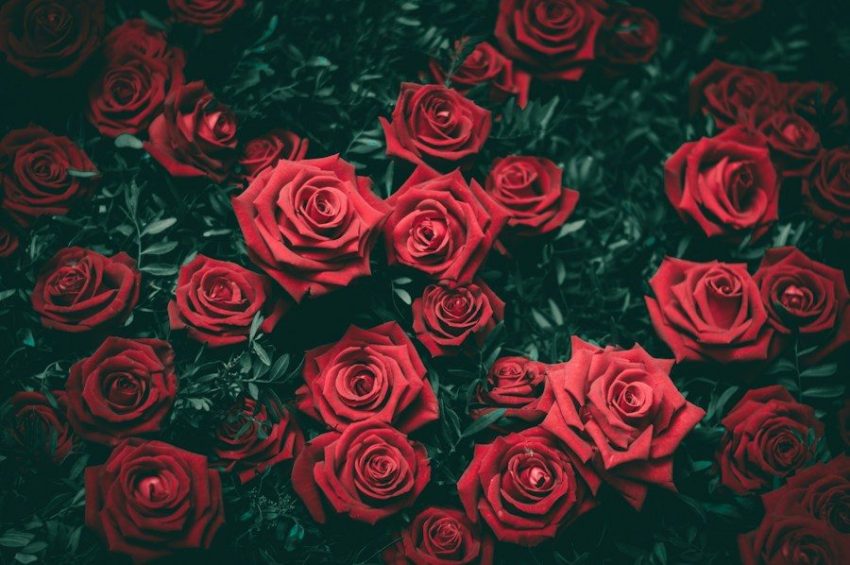
That is the funny thing about roses. The number matters as much as the color, and almost nobody handing over a wrapped bunch knows the code. A single stem says one thing. A dozen says another. And the supermarket bundle of fifteen? That one says “I grabbed this on the way over” more than anything else. Once you learn the meanings, every bouquet of roses starts to feel like a small message, whether the sender meant to write one or not.
So here is the whole thing, count by count, plus the practical rule I now use before I buy. Read it once and you will never guess wrong in a checkout line again.
Where Do Rose Count Meanings Come From?
The meanings attached to flower counts grew out of Victorian floriography, the nineteenth century practice of sending coded messages through arranged blooms because direct emotional talk was considered impolite. Whole dictionaries were published so a recipient could decode what arrived at the door.
Most of those old guides were as rigid as etiquette manuals, and modern florists have loosened them a lot. Still, the broad strokes survived, which is why your grandmother might raise an eyebrow at three roses while your roommate thinks nothing of it.
Here is my honest take after years of giving and receiving these things: the count sets a tone, and the tone should match the relationship. Get that part right and nobody is going to consult a Victorian handbook to grade you.
What Does Each Rose Count Actually Mean?
Tradition gives each number its own flavor. The chart below is the version I keep in my head, built from the arrangements I have given, received, and quietly asked about at the counter.
| Count | Traditional Meaning | Best For
|
|---|---|---|
| 1 | Love at first sight, or devotion to one person | A quiet, serious gesture |
| 3 | The three words: I love you | Anniversaries, apologies |
| 6 | Affection and a wish for stability | A new relationship that is getting real |
| 9 | Long lasting commitment | Long marriages, milestone dates |
| 10 | Perfect, complete love | Wedding gifts, big declarations |
| 12 | Gratitude and steady devotion | Almost any occasion, which is why it sells |
| 24 | Twenty four hours a day, thinking of you | Grand gestures, milestone birthdays |
| 50 or 100 | Unconditional, endless love | Golden anniversaries, once-in-a-lifetime moments |
Notice how the middle of that table is where real life happens. Three, six, nine, twelve. Those are the counts people actually buy for birthdays, teacher gifts, and Tuesday apologies, and they carry enough meaning to feel intentional without tipping into spectacle.
Odd numbers also read as more casual and modern, which is why a three stem arrangement looks like thoughtful design while a dozen can look like obligation. Give that some thought before you default to the big bundle.
One Rose, Three Roses, or Two Dozen?
Let me make the decision easy, because this is the question everyone actually has.
Go with one if the relationship is new, private, or you want the gesture to feel like a secret between you two. It works surprisingly well for a long married partner too, provided you pair it with an actual plan for dinner.
Go with three when you mean it and want the other person to know you mean it. It is the smallest count that makes a real statement, and it costs less than a pizza.
Go with twelve when the occasion is public: a birthday party, a work milestone, a first Mother’s Day. It photographs well on a kitchen table, which matters to anyone who posts their flowers, and that is most of us now.
Go with two dozen or more for the moments that get their own page in the photo album. Anniversaries ending in zero, big recoveries, and “I sold the company” news.
If you are ordering online and want the traditional red for a proper declaration, a gift of a bouquet of roses means choosing the stem count deliberately, because the number travels with the gift even when you cannot be there to explain it.
A Practical Checklist Before You Order
The rules are simple once you run through them once. I use this list every February when the prices jump and my judgment gets cloudy.
- Match the count to the relationship stage, not your budget. A modest, appropriate count beats an extravagant, awkward one every single time.
- Check whether the recipient knows the code. If they would not recognize the difference between six and twelve, pick the count that looks best in their space.
- Think about the vase. If you are cutting roses from your own bushes, a five stem cluster crowds a narrow necked jar. Three stems breathe better and land more gracefully.
- Skip the deep red if the moment is not romantic. Yellow, peach, and pink carry lighter feelings and pair better with the meaning of a smaller count.
- Write the card yourself. A short sentence about why you chose that number beats anything a preprinted note can do.
Roses are not the fussy divas people claim they are, either. They have been cultivated for so long that universities and botanical programs have catalogued thousands of varieties, as the universities running horticulture research programs will happily confirm, and the modern garden rose is a genuinely sturdy plant. If you grow your own, you control the count completely, which is its own quiet pleasure on a June morning.
One more practical note on timing: freshness beats count almost every time. A carefully chosen three stems picked up the morning of will outlast an exhausted dozen sitting in a bucket since the weekend.
Common Mistakes with Rose Counts
The biggest one is guessing a big number equals a bigger feeling. It does not. Twelve roses handed over awkwardly can land flatter than a single stem handed over with a real sentence attached.
The second mistake is ignoring the color and count together. Twelve red roses scream romance. Twelve yellow roses say friendship and cheer. Get the count right and the color wrong and you have sent a mixed signal straight to the door.
The third, and this is the one that gets people, is forgetting the person on the receiving end. A count only means something if they care about the meaning. Plenty of people just want flowers that look pretty on the counter, and that is a completely valid way to live. When you are unsure, ask their best friend. It takes ninety seconds and saves an entire dinner conversation.
The Short Version You Can Remember at the Counter
One is a secret, three is a statement, twelve is a celebration, and anything above that is a memory you are deliberately making. The number is a language, and like any language, it only works when both people speak it.
Pick the count that matches what you actually feel, not what the card aisle tells you to feel. Your mother-in-law will not have to ask if everything is okay. She will already know.