
I have always had a soft spot for neighborhoods that feel completely frozen in a charming, bygone era.
There is something truly magical about driving down a quiet, tree-lined street filled with houses that possess actual history. These are not the modern, cookie-cutter subdivisions that seem to pop up overnight.
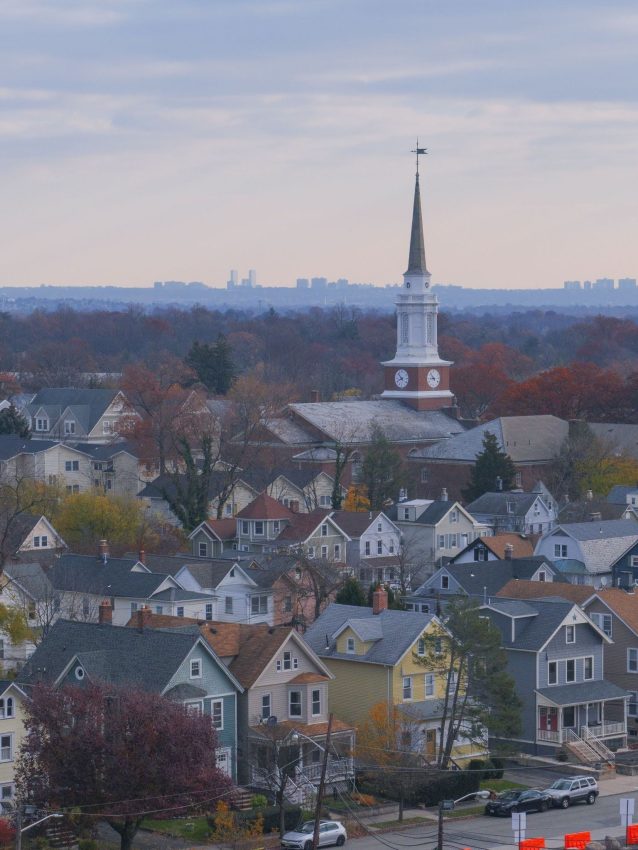
These older neighborhoods are filled with detailed homes that tell a story of generations past. Every time I travel through the Northeast, I find myself mentally remodeling the gorgeous old properties I pass.
Recently, I spent some time exploring a town that completely captured my imagination and my DIY heart. It is a place where nearly every single block features stunning architectural details just waiting to be lovingly revived.
The residential streets feature classic American architectural styles that date back over a century. When it comes to rehabilitating historic buildings, you want a strong foundation and great bones to start your journey. This particular town offers an incredible canvas for anyone who loves peeling back layers to find original charm.
The Charm of Classic Commuter Architecture
The town that captured my renovation dreams is the picturesque community of Maplewood. Located in Essex County, this area experienced a massive housing boom during the early twentieth century.
Pioneering builders, most notably Edward Balch, saw the incredible potential of this scenic hillside community. They designed homes specifically with growing families and young professionals in mind.
Because of this rich history, the area boasts a significant older housing inventory compared to many modern American suburbs. You will easily find sweeping center-hall Colonials sitting right next door to ornate, whimsical Victorian homes.
There are also beautiful Tudor Revivals with their signature half-timbering and steeply pitched slate roofs. The sheer variety of architectural styling means that no two homes look exactly alike.
Naturally, this vibrant mix of classic real estate draws in crowds of people who deeply appreciate historic preservation. Finding a town with this level of untouched, authentic character is becoming increasingly rare.
Restoring the Soul of Maplewood, NJ
When I look at the homes in Maplewood, NJ, I see endless opportunities to honor incredible, old-world craftsmanship. Restoring an old house is entirely different from renovating a brand new, empty developer box.
You are not simply ripping everything down to the studs and starting over from scratch. Instead, you are acting as a careful steward, peeling back decades of bad remodeling choices.
If I were to get my hands on one of these local historic gems, here is exactly how I would prioritize the restoration process:
- Reviving Original Flooring: My first priority is always uncovering and repairing the original hardwood floors. Sanding down sturdy, century-old oak boards and applying a natural matte finish instantly brings the home back to life.
- Salvaging Historic Millwork: Next, I focus intensely on the original crown molding, tall baseboards, and heavy solid wood doors. It takes immense patience to strip away eighty years of chipped paint, but revealing the authentic wood grain is always worth it.
- Protecting Unique Focal Points: In a town like this, you frequently encounter stunning leaded glass windows and hand-hewn stone fireplaces. I would never dream of replacing these intricate elements with modern, soulless alternatives.
These character-rich elements give a historic room its unique soul and foundational beauty. Preserving them ensures the house retains its authentic, layered story for the next generation of owners.
Modernizing Without Losing True Character
Of course, loving an old house does not mean you have to live like you are stuck in the distant past. Historic homes require thoughtful updates to make them functional, safe, and entirely comfortable for a modern family.
The biggest challenge in restoring these beauties is seamlessly integrating modern conveniences without ruining the vintage aesthetic. For example, updating the aging plumbing and knob-and-tube electrical systems is usually a mandatory first step.
You also have to be incredibly mindful of the building materials used by past generations. When working on houses built before the late 1970s, strictly following official guidelines for safely handling lead paint is absolutely non-negotiable.
Once the structural and safety updates are complete, you can finally focus on the fun parts, like kitchen and bathroom remodels. I love blending vintage-inspired fixtures, like unlacquered brass faucets, with modern, high-efficiency appliances.
This creates a warm, layered look that feels highly intentional and perfectly suited to the home’s original era. You can easily get that classic, old-world style without sacrificing your modern comforts.
Another critical upgrade involves tackling the notoriously drafty nature of old, historic windows and exterior doors. Fortunately, there are many discreet, historically approved methods for improving home efficiency without completely replacing the original wooden window sashes. Adding discrete interior storm windows or simply reapplying traditional glazing putty makes a massive difference in your daily winter comfort.
Breathing Life into Historic Outdoor Spaces
The rewarding restoration journey certainly does not stop at the front door. The outdoor living spaces surrounding these historic properties are just as important as the interior rooms.
Many of these houses sit on beautifully mature lots anchored by massive, ancient oak and maple trees. The overall landscaping should always complement the majestic, historic facade of the house rather than aggressively competing with it.
I highly suggest incorporating traditional, native plantings and classic brick or bluestone walkways leading up to a welcoming front porch. A wide, sweeping porch is a beloved staple of many early twentieth-century architectural styles.
Restoring the original beadboard porch ceilings and adding comfortable, vintage-inspired seating creates a perfect outdoor extension of the home. It becomes the ideal spot to sit back, sip your morning coffee, and admire the historic neighborhood context.
For the backyard, adding a simple, natural stone patio provides a wonderful space for modern family entertaining. The fundamental key is to use honest, natural materials that will age gracefully and acquire a beautiful patina over time.
Conclusion
Finding a town that has successfully managed to preserve its authentic architectural history is a rare and wonderful thing today. These beautiful communities offer a tangible link to our past and a deeply rewarding lifestyle for those willing to put in the hard work.
Restoring an old home is certainly not for the faint of heart, but the final aesthetic results are always spectacular. You get to breathe completely new life into a forgotten gem while honoring the highly skilled craftsmen who originally built it.
If I ever decide to pack up my trusted toolbelt and relocate, this charming New Jersey community is definitely at the top of my list. The sheer creative potential hidden behind those classic front doors is simply too hard for a DIY enthusiast to resist.