
Winter often brings a false sense of relief to homeowners who assume that cooler temperatures mean fewer yard chores and fewer pest concerns. In reality, many weeds continue to grow slowly through winter, especially in mild climates, and this low-lying, often overlooked vegetation can quietly turn into a haven for insects and rodents. Around older homes or properties that have recently been renovated, gaps in siding, aging foundations, and disturbed soil make this problem even more pronounced. Understanding how winter weeds contribute to pest activity is the first step toward keeping a yard, and the structure it surrounds, protected through the colder months.
How Dense Winter Growth Becomes a Pest Refuge
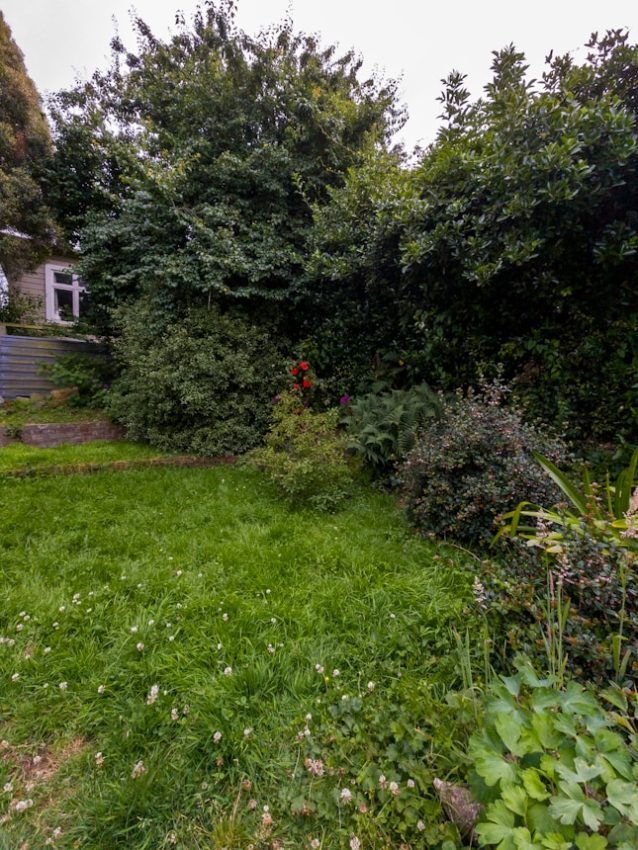
Unlike summer weeds, which are often brittle and short-lived, many winter weeds form thick, matted growth close to the ground. This mat traps moisture, blocks sunlight, and creates a microclimate that stays several degrees warmer and more humid than the surrounding soil. For insects such as ants, sowbugs, spiders, and centipedes, this is close to ideal shelter. Rodents, including mice and voles, are drawn to the same conditions because dense weed cover offers protection from predators and a hidden path to travel along without being seen.
Research from agricultural extension programs has repeatedly shown that uncontrolled vegetation adjacent to structures increases rodent activity nearby, since ground cover reduces the risk rodents face while foraging. The same principle applies to residential yards. A patch of chickweed or clover left unchecked against a fence line does not just look untidy; it functions as a corridor that pests use to move between open ground and the structure itself.
Why Weeds Near Foundations Increase Risk Around the Home
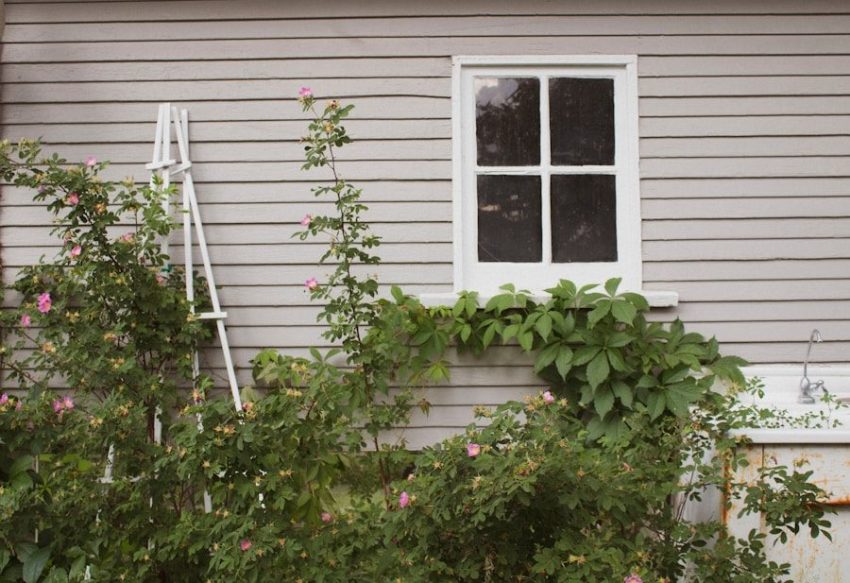
Weeds growing directly against a foundation, shed wall, or fence post create a different kind of problem than weeds out in the open lawn. These areas already tend to hold more moisture because they receive less direct sun and airflow, and once weeds are added to the mix, the soil stays damp for longer periods. Damp soil next to a foundation is exactly the kind of environment termites, ants, and other moisture-seeking pests look for.
This is part of the reason homeowners researching seasonal pest prevention often come across guidance covering five types of winter weeds and how to get rid of them, since identifying the specific weeds growing near a structure is often the first step toward addressing the shelter they provide. Older homes are particularly vulnerable because foundation cracks, gaps around utility lines, and aging weatherstripping give pests an easy point of entry once they are already established in the surrounding vegetation. Renovated homes carry their own version of this risk, since construction activity often disturbs soil and leaves bare patches that weeds colonize quickly.
5 Types of Winter Weeds and How to Get Rid of Them Naturally
Not every winter weed poses the same level of concern, but a handful show up repeatedly in yards and tend to form the dense, moisture-holding mats that attract pests. Learning to recognize these 5 types of winter weeds and how to get rid of them naturally can make seasonal yard maintenance far more manageable.
| Weed | Growth Habit | Pest Concern | Natural Removal Method |
| Chickweed | Low, sprawling mats | Holds moisture, shelters insects | Hand-pull before seed set; apply mulch to block regrowth |
| Henbit | Spreads along soil surface | Attracts ants and small insects | Mow low, then hand-pull remaining clumps |
| Annual Bluegrass (Poa annua) | Dense, clumping growth | Provides rodent cover near edges | Dethatch and improve drainage to discourage spread |
| Common Groundsel | Grows in disturbed soil near structures | Creates cover close to foundations | Pull by the root; avoid letting it flower |
| Winter Clover | Thick ground-hugging growth | Retains humidity, draws insects | Hand removal combined with regular edging |
Hand-pulling remains one of the most reliable natural methods for all five, particularly when done before the weeds set seed. Boiling water and horticultural vinegar sprays are also commonly used as non-chemical options for spot treatment, though they work best on young growth rather than established mats. Consistency matters more than the specific method chosen, since a single treatment rarely prevents regrowth on its own.
Yard Maintenance Habits That Reduce Pest Shelter
Beyond identifying and removing specific weeds, a few consistent maintenance habits go a long way toward keeping pests from settling near a home. Yards that receive regular attention through winter tend to have noticeably less pest activity near their foundations compared to yards left unmanaged for months at a time.
A few practices worth building into a winter routine include:
- Clearing fallen leaves, mulch piles, and organic debris away from foundation walls and fence lines
- Trimming back overgrown vegetation so there is at least a small gap between plants and structural surfaces
- Maintaining clean edges along walkways, sheds, and garden beds to remove hiding spots
- Improving drainage in areas where water tends to pool, since standing moisture attracts both weeds and pests
- Checking gaps around foundation vents, utility entry points, and crawl space openings for weed encroachment
These steps do not require specialized equipment, and most can be handled with basic yard tools over the course of a weekend. The goal is not a perfectly manicured yard but rather the removal of the specific conditions, shelter, shade, and trapped moisture, that make a space attractive to pests in the first place.
When Overgrowth Signals a Larger Structural Concern
In some cases, persistent weed growth near a foundation points to an underlying issue rather than simple neglect. Soil that stays consistently damp enough to support winter weeds may also indicate poor grading, a clogged gutter downspout, or a drainage problem that is directing water toward the home instead of away from it. Older homes are especially prone to this, since original grading and drainage systems were often designed for different rainfall patterns or have shifted over decades of settling.
If weeds keep returning in the same spot despite regular removal, it is worth stepping back and asking whether water is pooling there for a reason beyond the weeds themselves. Addressing the root cause, whether that means regrading soil away from the foundation or clearing a blocked drain, tends to be more effective long term than repeatedly pulling weeds from the same patch.
Final Analysis
Winter weeds are easy to dismiss as a minor cosmetic issue, but the shelter, moisture, and cover they provide can meaningfully increase the odds of pests settling in close to a home. This risk is highest around older structures with existing entry points and around renovated homes with disturbed soil that weeds readily colonize. Regular removal, consistent edging, and attention to drainage all reduce the conditions pests rely on. Recognizing common seasonal weeds and understanding how to manage them naturally gives homeowners a practical, low-cost way to keep both their yard and their home better protected through the colder months.