
There’s something special about bringing a little greenery indoors. Whether you live in a historic home full of character or a newer space you’re making your own, indoor plants can instantly make a room feel more welcoming, vibrant, and lived-in. The good news is that you don’t need a sun-filled conservatory or walls of south-facing windows to enjoy the benefits of houseplants. Many beautiful low light indoor plants thrive in spaces with limited natural sunlight, making them perfect for bedrooms, hallways, offices, bathrooms, and cozy living rooms.
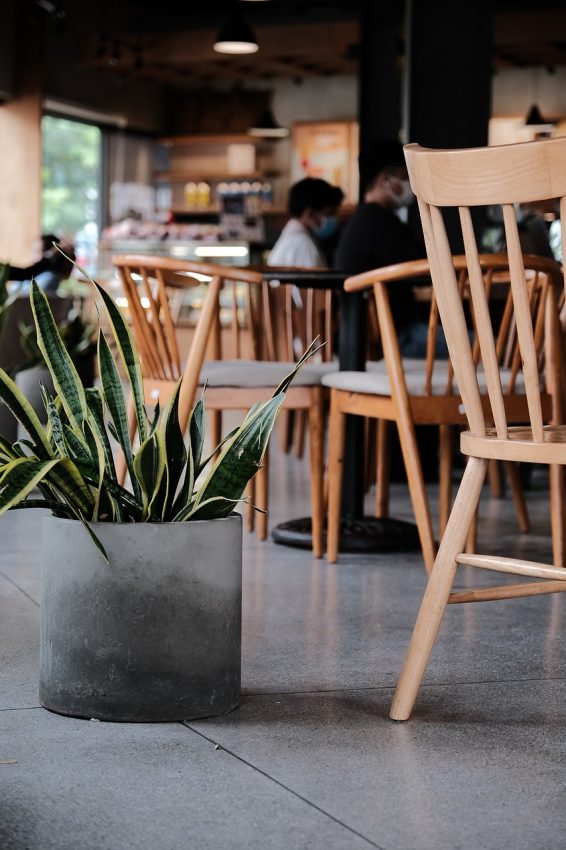
Beyond their beauty, low light indoor plants offer a surprising number of benefits that can improve both your home environment and your overall well-being.
Enhance the Aesthetic of Any Room
One of the most immediate benefits of indoor plants is the visual impact they create. Plants add natural texture, color, and softness to a space that furniture and décor alone often can’t achieve.
Low-light varieties such as snake plants, pothos, ZZ plants, and peace lilies can bring life to otherwise overlooked corners. A simple plant placed on a side table, bookshelf, or entryway console can instantly make a room feel more intentional and complete.
Plants also help balance hard surfaces commonly found in homes, including wood floors, stone countertops, tile, and painted walls. The contrast between natural greenery and architectural elements creates a more layered and inviting design.
Create a More Relaxing Environment
Many homeowners are looking for ways to make their homes feel like a retreat from the outside world. Indoor plants can help accomplish exactly that.
Research has shown that interacting with and caring for indoor plants can reduce psychological stress and promote feelings of calm and relaxation. People often report feeling more comfortable and at ease when surrounded by greenery.
Adding a few low-maintenance plants throughout your home can create a peaceful atmosphere that encourages relaxation after a long day.
Support Mental Well-Being
The connection between nature and mental health is well documented. Even small amounts of greenery indoors have been associated with improved mood, reduced stress, and increased feelings of well-being. Studies have found that indoor plants can contribute to lower stress levels and may help reduce negative emotions.
For those who work from home, indoor plants can be especially beneficial. Many people find that having plants nearby makes their workspace feel more pleasant and less sterile, helping them stay engaged and focused throughout the day.
Increase Comfort and Visual Warmth
Low-light plants have a unique ability to make a room feel warmer and more inviting without requiring any major renovation or decorating expense.
Empty corners, bare shelves, and unused surfaces can often make a room feel unfinished. Adding greenery introduces movement, depth, and organic shapes that soften the overall appearance of a space.
This is particularly helpful in older homes, where plants can highlight architectural details and complement vintage features while adding a fresh, updated feel.
Help Improve Indoor Environmental Quality
For decades, researchers have explored how plants interact with indoor environments. While modern studies suggest that houseplants alone do not significantly clean indoor air in the way many people once believed, they can still contribute positively to indoor spaces through humidity regulation, oxygen production, and the psychological benefits they provide.
Many homeowners also simply report that rooms with plants feel fresher, more comfortable, and more connected to nature.
Encourage Mindfulness and Daily Routine
Caring for plants can become a rewarding ritual. Even low-light plants that require minimal maintenance encourage small moments of mindfulness throughout the week.
Watering, pruning, and observing new growth can create a sense of accomplishment and connection to your home environment. Studies suggest that caring for living plants may contribute to reduced stress and increased well-being.
For busy homeowners, low-light plants offer many of these benefits without requiring constant attention.
Perfect for Challenging Spaces
Not every room receives abundant sunlight. Fortunately, many of the most popular houseplants naturally thrive in lower-light conditions.
Low-light plants are excellent choices for:
- Bedrooms
- Home offices
- Bathrooms
- Hallways
- Apartments
- Basements with indirect light
- North-facing rooms
Their adaptability makes it easy to enjoy the benefits of indoor greenery throughout your home, not just in the sunniest locations.
Final Thoughts
Low-light indoor plants offer an easy and affordable way to improve the appearance, comfort, and atmosphere of your home. They add natural beauty, create a calming environment, support mental well-being, and bring a touch of nature indoors—even in spaces with limited sunlight.
Whether you’re decorating a century-old farmhouse, updating a suburban home, or simply looking to make a room feel more inviting, adding a few well-chosen low-light plants can have a surprisingly big impact. The best part is that many of these plants are incredibly easy to care for, making them an ideal choice for both experienced plant lovers and beginners alike.