
The modern study space is no longer reserved for teenagers doing homework at the kitchen table or college students spending late nights in crowded libraries. For many people today, learning happens alongside careers, family responsibilities, and remote work schedules, often from the same room where meetings, emails, and everyday life already unfold.
As online education continues expanding, more students are investing not only in tuition and technology, but in the environments where they spend hours reading, researching, writing, and attending virtual lectures. A thoughtfully designed study setup can influence concentration, posture, mental fatigue, and even motivation over time. The goal is not to create a picture-perfect workspace, but to build one that genuinely supports long-term learning.
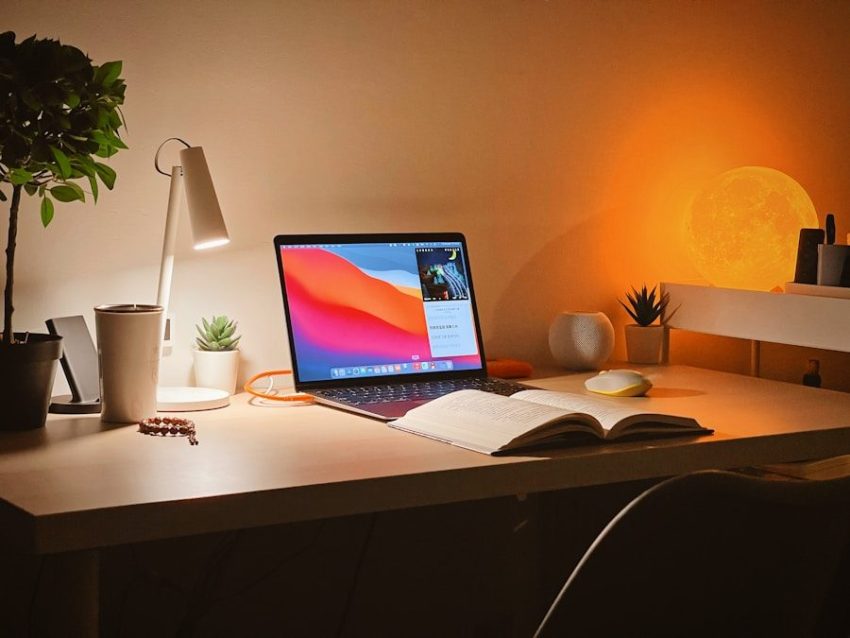
That shift has become especially noticeable among professionals returning to school through online degree programs, continuing education courses, and accredited online master’s programs that require sustained screen time and independent study habits. In many homes, the study area is becoming a permanent part of daily life rather than a temporary corner improvised during exam season.
The Best Study Spaces Reduce Mental Friction
One of the biggest mistakes people make when setting up a study area is focusing only on aesthetics. A visually appealing desk can still become exhausting after several hours if the layout constantly interrupts focus.
The most effective study spaces reduce unnecessary decisions and distractions. That often means keeping frequently used materials within easy reach, minimizing clutter that competes for attention, and organizing digital devices intentionally rather than stacking screens and accessories wherever they fit; small adjustments can make a noticeable difference over time. Positioning notebooks vertically instead of spreading them across the desk may free up visual space. Using a monitor riser can improve posture while also creating storage underneath. Even separating “study mode” items from general work materials can help the brain associate the space with concentration rather than multitasking.
Long online learning sessions demand more cognitive endurance than many people expect, especially in self-directed programs where students manage much of their own schedule. A workspace that feels mentally calm can help reduce the fatigue that often builds during extended digital coursework.

Lighting Has More Influence Than Most People Realize
Poor lighting quietly drains energy. Harsh overhead lights, dim corners, or bright glare from windows can increase eye strain during long reading sessions and make concentration harder to sustain.
Natural light remains one of the most effective ways to improve a study environment, particularly when positioned indirectly near the desk rather than directly behind a screen. For evening sessions, layered lighting tends to work better than relying on a single source. A combination of soft ambient light and focused desk lighting creates a more balanced environment that feels easier on the eyes over several hours.
Lighting also affects mood and consistency. Spaces that feel overly clinical can become mentally tiring, while environments that are too relaxed may encourage distraction. The best study setups usually balance comfort with alertness, creating a space that feels inviting without making it difficult to focus.
This matters even more for students balancing remote work and university studies in the same environment. Transitioning from a workday into evening coursework becomes easier when lighting and desk arrangements subtly signal a shift in activity.
Comfort Matters More Than Productivity Trends
There is a growing tendency online to treat productivity setups like performance showcases, complete with expensive accessories, multiple monitors, and minimalist aesthetics designed more for social media than daily use. In reality, the most sustainable study environments are usually the ones designed around comfort and practicality.
A supportive chair matters far more than decorative equipment. Screen height affects neck strain more than matching desk accessories. Noise levels, temperature, and airflow often influence focus more than highly curated design trends; students pursuing remote university studies or graduate programs frequently spend several consecutive hours at their desks, especially during research-heavy coursework or intensive project deadlines. Physical discomfort that seems minor during a short session can become draining over weeks and months.
That does not mean every study setup requires a dedicated office or expensive renovation. Some of the most effective spaces are compact, adaptable, and intentionally simple. A small desk near a quiet window may function better than a large but distracting room filled with visual clutter.
Digital Organization Is Part of the Physical Environment
A study space does not end at the edge of the desk. Digital clutter can interrupt focus just as quickly as physical mess.
Students managing online coursework often juggle lecture recordings, research tabs, messaging platforms, shared documents, and cloud storage systems simultaneously. Without some level of organization, digital environments become fragmented and mentally exhausting.
Simple systems tend to work best. Creating separate browser profiles for studying, organizing folders by course instead of semester alone, or using calendar blocking for assignments can reduce the constant feeling of searching for information.
The growing popularity of flexible education models has also changed how students interact with learning materials. Those enrolled in online graduate degrees or career-focused certification programs often switch rapidly between live discussions, independent assignments, and collaborative projects throughout the week. A workspace that supports quick transitions between tasks can make online learning feel far more manageable.
Designing a Space You Can Return to Consistently
One of the most overlooked aspects of a successful study setup is emotional sustainability. Many people create highly disciplined environments that feel difficult to maintain after the initial motivation fades. Over time, consistency matters more than intensity; a useful study space should feel somewhere between functional and personal. Small details like a comfortable lamp, calming textures, or a favorite mug may seem insignificant, but they contribute to whether the environment feels draining or supportive during long sessions.
As education becomes increasingly flexible and digitally connected, homes are continuing to evolve alongside it. Study areas are no longer temporary solutions built around short academic periods. For many learners, they are becoming long-term spaces for professional growth, career transitions, and ongoing skill development.
Designing a better study space is ultimately less about creating a perfect desk setup and more about building an environment that helps learning feel sustainable over time.