
There are over 140 million housing units in the United States. According to the Census Bureau, these units are subject to some form of easement, like utility or access easements.
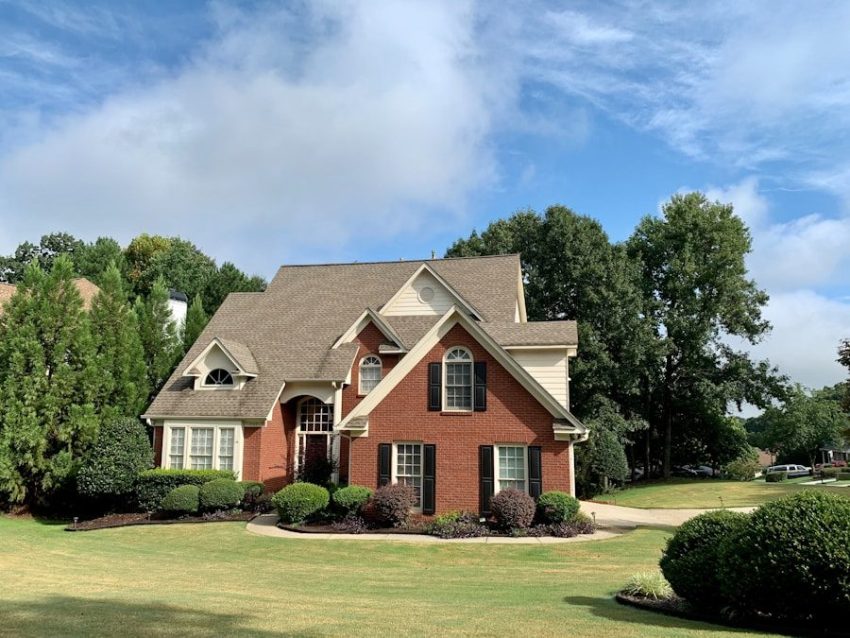
An easement is a legal right that permits another person to use a specific area of land for designated purposes without owning that land. They commonly arise for utilities, access roads, or shared driveways in the states. They can also significantly affect property ownership and use.
In this regard, legalities and disputes commonly arise for commercial properties, titles, and other property concerns. If you are facing challenges in this case, real estate lawyer Daniel J. Gauthier advises that you consult an experienced legal counsel.
Understanding how easements work is essential for buyers, sellers, and property owners, as they can impact property value, privacy, and long-term land use.
What an Easement Is and Why It Matters
Individuals can legally use another individual’s property without ownership through an easement. Still, there are rules that individuals need to follow.
The servient estate designates the land that supports the easement, while the dominant estate designates the land that receives benefits from the easement.
Easements establish their legal status through two specific methods, which include explicit written grants and established rights that have been used continuously for a period that meets the requirements of permanent possession.
Easements produce their actual benefits through the specific conditions that define their operation. The property owner maintains ownership rights to the easement area but can only use the land in ways that do not violate rights held by the easement holder. The easement holder must use the service property according to the easement agreement, which defines all of his permitted activities.
While the property owner retains title, an easement can limit how the land is developed, restrict certain activities, or grant ongoing access rights to third parties. Under Arizona easement law, most easements must be in writing to be enforceable under Arizona’s Statute of Frauds (A.R.S. § 44-101), especially when created by agreement. Easements are typically recorded with the county recorder’s office. This process establishes permanent legal notice to future property buyers who will remain legally obligated to the easement.
Appurtenant Easements vs. Easements in Gross
Easement law begins with its basic distinction, which separates easements appurtenant from easements in gross. The definition of easement rights, which apply to a specific property, directly impacts its subsequent purchase or sale.
An easement appurtenant exists as a permanent property right that benefits the land itself and not any individual. The dominant estate receives benefits from the easement, which connects two properties by providing access rights to the servient estate. The easement rights automatically transfer to new property owners whenever ownership of the two properties changes.
A common example is a neighboring landowner who holds the right to cross a strip of adjacent land to reach a public road. The right stays with both property owners, who will hold it forever until one of them legally ends it through approved methods.
An easement in gross exists as a personal right that specific individuals or organizations possess without any connection to designated land areas. Utility companies typically hold easements in gross to install and maintain power lines, pipelines, or other infrastructure across private property.
The right connects to the organization instead of any particular land that the organization possesses.
Common Types and Their Practical Effects
The various types of easements exist in two fundamental categories: appurtenant easements and gross easements. The utility easement, which functions as an easement in gross, enables service providers to enter the property for their installation work and ongoing maintenance tasks.
The restrictions of these regulations determine which structures and vegetation owners are permitted to develop within the designated section.
Right-of-way easements grant access across a property for pedestrian or vehicle travel. These may benefit a neighboring landowner or, in some cases, the public. The owner faces limitations on land usage because of the right-of-way, which also creates a negative impact on their privacy.
Conservation easements serve as voluntary agreements that landowners establish with land trusts or government agencies to limit development in order to safeguard natural and agricultural and scenic resources.
The arrangements establish eligibility for federal income tax benefits when the contribution satisfies the IRS requirements, which are designated by the applicable statutory and regulatory standards. The restrictions run with the land and bind future owners.
Rights and Responsibilities
The easement agreement terms establish the permitted actions and prohibited activities for both parties. The maintenance duties of easements depend on factors that include the type of easement and the legal jurisdiction and the details of the agreement.
The party receiving benefits from the easement must perform area maintenance according to common practice, but the easement document must specify maintenance duties. When an agreement lacks definition about maintenance costs, parties often enter into disputes, which makes precise contract writing essential.
Property owners who face easement restrictions must not obstruct or interfere with the holder’s legal activities. The holder must complete all activities according to the specific limitations that the easement document establishes. Any use outside the scope of the agreement can form the basis of a legal dispute.
How Easements Affect Property Value
The value of property rights easements depends on factors that include their specific type, their geographical location and their operational range. A utility easement that operates through the back section of a property will have minimal influence on its market value. Buyers will decrease their offers when a right-of-way inhibits building on essential land and creates disturbances to their personal space.
Property rights easements that provide entry to a property and enhance its functionality through additional access points can create value increases. The shared access road allows entry to a formerly challenging lot, and the recorded right to shared recreational amenities will increase the lot’s attractiveness.
How Easements End
Easements do not automatically last forever, and a property owner dealing with a burdensome easement should understand the recognized methods of termination. The American Bar Association’s property law materials show that easements can be extinguished through release, merger, abandonment, end of necessity, condemnation, adverse possession, and, in some jurisdictions, marketable title statutes, among other methods.
A merger occurs when the same party acquires ownership of both the dominant and servient estates. The easement extinguishes automatically because a person cannot hold an easement over their own land. The law requires more than simple non-use to prove abandonment. The courts need both evidence of a plan to give up the easement and actions that match that plan.
The necessity for an easement will end when the landlocked area achieves new public road access. The written release process requires the easement holder to sign a formal agreement, which serves as the easiest method for both sides to reach an agreement.
A title search in the locality along with a little legal analysis helps you understand how an easement can be terminated.
Resolving Easement Disputes
The parties involved in the dispute must first communicate with each other to resolve their differences about the easement’s boundaries and its operational needs. The original easement agreement, together with its recorded deed provisions, will provide an explanation of the granted rights and the established limitations, which need to be assessed.
If informal resolution is not possible, mediation through a neutral third party provides a less costly path than litigation. A real estate attorney will evaluate the situation to determine if the easement dispute needs court action for enforcement purposes, including quiet title actions and judicial declarations of the parties’ rights.
The party who maintains organized communication records and documents showing easement usage and maintenance activities will have a stronger position.