
The Phoenix metro housing stock has a particular character. A meaningful share of the older homes in Mesa, Tempe, Chandler, and the surrounding communities were built between the 1970s and the early 1990s, and a sizable percentage of them came with a swimming pool installed during the original build or shortly after. Forty years later, those pools are still in service, the original plumbing is still in the ground, and the desert soil and freeze-thaw cycles have spent four decades quietly working on every fitting, every plaster surface, and every concrete junction.
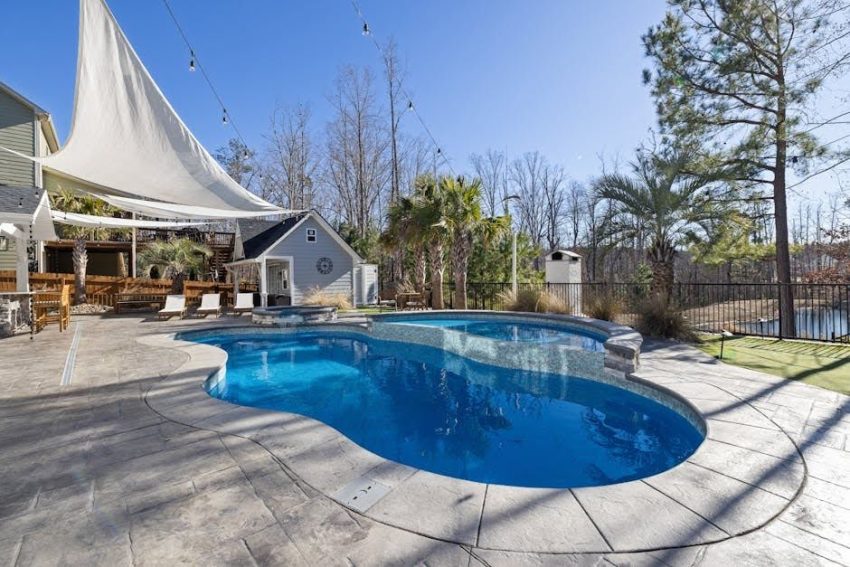
Alt text: Why Older Mesa Homes With Pools Need a Specialist Leak Detection
The result is a part of the country where pool leaks are not a fringe maintenance issue. They are a routine, predictable, age-of-the-system problem that practically every long-tenured Mesa homeowner runs into eventually. The question is not whether the pool will need professional leak detection at some point. It is whether the homeowner has a relationship with a specialist before the visible water-loss problem actually arrives. A trained service like Leaklab pool leak detection shows up with the right tools and the right experience for desert-soil conditions, and the difference between a calm afternoon of diagnostics and a chaotic week of guesswork is significant.
This piece is for the homeowner of an older Mesa-area property who is starting to wonder whether the slow drop in water level is normal evaporation or something else, and is starting to think about who they would actually call if the answer turned out to be the latter.
Why Older Arizona Pools Develop Leaks More Often Than Newer Ones?
A pool built into a Mesa property in 1985 has lived a different life than a pool built in 2020. The 1985 pool typically has copper or galvanized plumbing, original steel rebar, plaster that has been resurfaced once or twice, and fittings that have aged through forty seasons of chlorine, acid washes, and sun exposure. The newer pool typically has PVC plumbing, modern fibreglass-reinforced shells, and current-generation fittings designed to fail less.
Both pools are useful and valuable assets. The older pool just demands a more attentive maintenance posture, and a specialist relationship is part of that posture. The same instinct that drives owners to think carefully about which renovations to tackle first in an older home applies directly to pool maintenance. The pool belongs on the older-home renovation calendar, and small predictable investments now prevent expensive surprises later.
Desert soil makes the picture more complicated. The soil shifts seasonally with monsoon rains and dry summer heat. Foundation movement on older homes shows up at the pool shell first, because the pool is the most water-sensitive structure on the property. A small crack at the coping joint that would be a minor annoyance in a coastal climate can become a fast-developing leak in a dry expansive-soil environment.
What Modern Pool Leak Detection Looks Like for an Older Mesa Pool?
The current generation of detection equipment is a long way from the dye-and-listen approach of two decades ago. A skilled technician arrives with several specialised tools and chooses the right one based on the initial assessment.
Acoustic listening devices. Specialised microphones picking up the sound signature of pressurised water escaping a small breach. Headphones plus a sensitive ground plate to triangulate to within inches.
Helium injection. For very small leaks that defeat acoustic methods. Helium is injected into the affected line and a surface sweep with a helium-sensitive detector finds where it escapes.
Pressure decay analysis. Plumbing zones are isolated and monitored for pressure loss over a controlled interval. Identifies which zone is leaking before localising the exact point.
Dye testing. Used inside the pool to identify cracks in the shell or fitting failures. The dye drifts toward the leak and the technician traces it.
Thermal imaging. Used under decking and hardscape, where escaping water has cooled or warmed the surrounding ground enough to register on infrared.
Camera-based pipe inspection. Useful for the kinds of long, buried plumbing runs typical in older Mesa-area builds.
The good services bring all of these tools and select the right approach. The cheap services bring one tool and try to make every leak fit it.
What a Slow Leak Costs an Older Mesa Pool Each Month?
The unromantic math is worth spelling out. A typical older residential pool that loses one percent of its volume per day is leaking 100 to 200 gallons. Over a month, the wasted water on a Mesa-area municipal water bill plus the wasted treatment chemicals, heater energy where applicable, and pump runtime adds up to a hundred-plus dollar monthly drag. Over a year, the running total is comfortably four figures. The structural damage from undetected long-term leaks under decking, into the surrounding soil, or against a foundation compounds at a pace that owners often do not notice until the deck starts visibly settling or the surrounding garden beds start producing unusual plant patterns.
Compare that to a one-time inspection and small-scope repair that typically runs four hundred to a thousand dollars. The math favours getting the leak found and fixed before it has time to compound. Public guidance on water-conservation maintained by the Pool & Hot Tub Alliance reflects the same point in industry-wide terms. The cost of running an unfixed leak almost always exceeds the cost of fixing it.
Where Older Mesa Pools Most Commonly Leak
A few specific patterns show up in the leak histories of older Arizona pools.
The skimmer area. Decades of chemical exposure plus seasonal soil flex produces small fitting failures around the skimmer body. Often the first leak to appear in a forty-year-old pool.
The main drain. Less common but more expensive when it happens. Leaks here often present as plumbing zone failures detectable through pressure-decay testing.
The light fixture niche. Original pool lights often develop small leaks at the niche-to-shell junction. Replacing the gasket fixes most of them.
The plumbing under decking. Hardest leaks to find without specialised tools. Most likely to be missed by a generalist plumber. Particularly common in older builds where the original plumbing routing was not documented.
The coping joint. The expansion joint between the pool shell and the deck flexes seasonally. A failed sealant lets water seep behind the shell and into the surrounding soil. Especially common in expansive-soil zones.
The auto-fill device. A stuck float or failed valve here can quietly fill the pool faster than the leak loses it, masking the leak entirely. A skilled technician checks the auto-fill first.
Why Specialist Detection Matters More for Older Pools
A general plumber can find some pool leaks. The difference for older builds is the combination of three things. The original plumbing is often undocumented, sometimes routed through unexpected paths under decking. The materials are often legacy copper or galvanized rather than modern PVC, and they leak in different signature patterns. The shell has typically been resurfaced at least once, which adds detection complexity at the plaster-to-original-shell interface.
A specialist who has worked on hundreds of pools of similar vintage in similar soil conditions develops an intuition for where the leak is likely to be before any tool gets used. That intuition saves time on the diagnostic work, which translates directly into a shorter visit and a smaller bill. The same insurance-side perspective on water-related damage prevention from the Insurance Information Institute’s homeowner insurance cost guidance underscores why catching pool leaks early matters far more for older homes where the surrounding structure is more sensitive to water intrusion.
Common Mistakes Older-Home Owners Make Around Pool Leaks
A short list of recurring mistakes shows up in the maintenance histories of older Mesa-area pools.
Treating leak detection as a plumber’s task. The current category has matured into a specialist discipline. Generalist plumbers find some leaks and miss many.
Waiting until the visible water-loss problem is severe. By the time a measurable drop in waterline is obvious, the leak has often been running for weeks. Annual or semi-annual specialist inspections catch issues earlier.
Resurfacing the pool without fixing the underlying leak. A new plaster job over a leaking shell is wasted money. The leak has to be addressed first.
Skipping pressure tests when buying an older home with a pool. Every home inspection on a pool-equipped older property should include a pool-specific specialist visit, not just a glance from the general inspector.
Forgetting that desert soil amplifies the consequences. Water moving through expansive soil under a deck or against a foundation produces real structural damage faster than in coastal climates.
Buying the cheapest detection quote. The technician who finds the leak quickly is usually a better choice than the one who quotes a low fee but has not localised the leak precisely.
How Pool Leak Detection Fits Into Broader Older-Home Maintenance
The pool is one piece of a broader older-home maintenance picture. Roof, foundation, plumbing supply lines, water heater, and irrigation all need predictable attention on properties that have been in service for decades. The same family that runs a careful annual inspection of the pool tends to also run periodic checks on the rest of the system.
The broader rhythm of older-home ownership tends to weave together the practical and the pleasurable, from once-a-year inspections of the major systems to the seasonal kitchen routines that keep a reliable steak marinade in regular rotation. The pool fits into that rhythm naturally if the homeowner decides to put it there.
Frequently Asked Questions From Older Mesa-Area Pool Owners
How often should an older pool be inspected for leaks?
For pools more than fifteen years old, an annual specialist inspection is reasonable insurance. Pools in expansive-soil zones, with documented earlier leaks, or that have recently undergone resurfacing should consider semi-annual inspections.
Will leak detection require breaking up my deck?
Not necessarily. The whole point of acoustic, helium, and pressure-decay tools is to localise the leak before any excavation. A skilled technician usually identifies the exact spot to lift a single paver or cut a small access window rather than tearing into a large area.
Can a leak cause foundation damage on my older home?
Yes, in expansive-soil zones especially. Water moving through soil near the foundation can cause settling, slab cracks, and door-frame distortion over time. Leaks near the equipment pad or the coping joint are most likely to affect foundation conditions.
Is leak repair covered by homeowner’s insurance?
Generally no for the leak repair itself, but yes for resulting water damage to surrounding structures and surrounding plantings if the cause is sudden and accidental. Slow ongoing leaks are usually classified as maintenance and excluded.
A Final Note for Mesa-Area Older-Home Owners
The unromantic truth about an older pool is that it is a piece of household infrastructure that demands the same kind of low-grade ongoing attention as the foundation, the roof, or the air conditioning system. A specialist leak detection relationship established before any visible problem exists is the kind of small, calm professional connection that pays back the moment something goes wrong. The hardware is sophisticated, the diagnostic discipline is real, and the repair work is meaningfully easier when the problem is caught small. Save the number, run a bucket test once a season, and trust the specialist when the math says the leak is real.