
Have you ever stepped outside to cook and felt like the space worked against you instead of helping you?
A backyard cooking area should feel practical, calm, and easy to use, yet a poor layout can quickly turn a relaxing meal into a frustrating task.
Many outdoor spaces look appealing at first, but comfort often depends on how the area actually functions. If the cooking zone is too cramped, too exposed, or poorly arranged, even a simple meal can feel tiring.
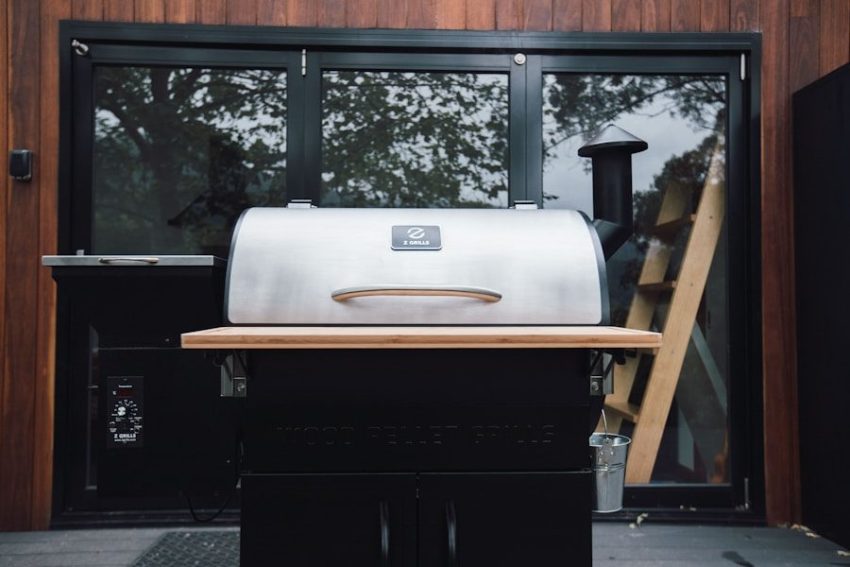
The good news is that a few layout changes can make a noticeable difference. When the space supports movement, prep, and serving, cooking outside feels more natural and far more enjoyable.
Common Layout Problems
A backyard cooking space does not need to be large or expensive to work well. However, it does need the right flow. When the layout supports each step of cooking, the area feels easier to use from start to finish. The following mistakes are common, yet they are also fixable with thoughtful planning.
1. Placing The Cooking Area Too Far From The House
One of the most common mistakes is putting the cooking area too far away from the kitchen door. At first, that may seem fine, but it often creates extra trips for food, tools, plates, and drinks. As a result, the process becomes slower and more tiring.
A better setup keeps the outdoor cooking zone close enough to the house for easy access, while still leaving enough room for safety and comfort. This makes prep, serving, and cleanup feel much more manageable.
2. Ignoring Walking Space
A backyard cooking setup should allow people to move comfortably without bumping into furniture, hot surfaces, or one another. When chairs, tables, and cooking equipment are placed too close together, the area starts to feel crowded very quickly.
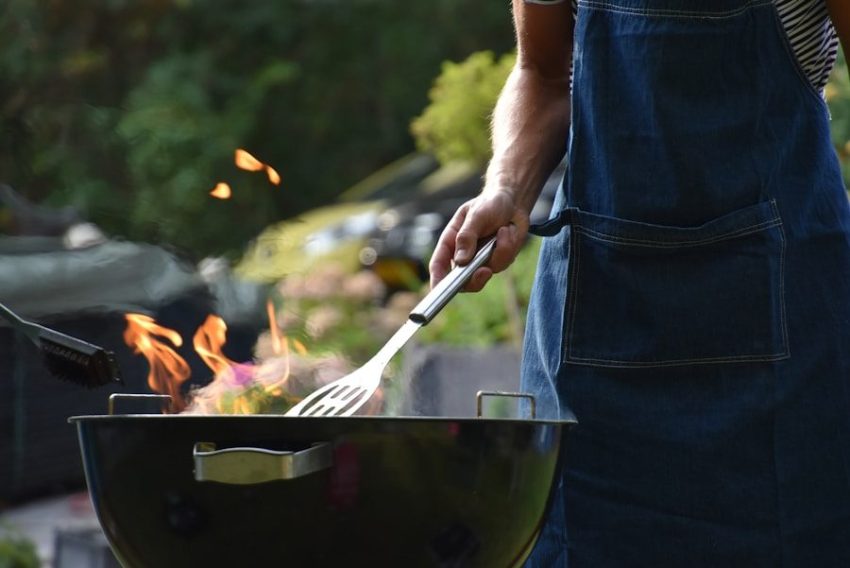
Clear walking paths matter, especially during family meals or small gatherings. In many cases, people focus on the size of bbq grills and forget to leave enough room around them. Even a useful cooking setup can feel stressful if there is no easy path for carrying food or stepping away from the heat safely.
3. Skipping Shade And Weather Protection
Cooking outside becomes less comfortable when the space is fully exposed to direct sun, wind, or light rain. Heat can make the cooking area feel exhausting, while wind can affect flames, smoke, and temperature control.
Adding shade through a pergola, umbrella, covered patio, or nearby structure can improve comfort during long cooking sessions. At the same time, some shelters help protect prep surfaces and seating areas. A backyard does not need a full enclosure, but a little weather protection can make the area feel much more usable throughout the year.
4. Separating Prep And Cooking Zones Too Much
Outdoor cooking feels easier when prep space is close to the heat source. Unfortunately, many layouts place the grill in one corner and the prep table somewhere else. That gap may seem small at first, but it creates repeated back-and-forth movement that wastes time and breaks concentration.
This is especially important for people comparing gas grills with other cooking options, because quick cooking often works best with a nearby prep surface. Keeping trays, utensils, seasoning, and serving dishes within reach makes the entire process feel more organized and less rushed.
5. Forgetting Smoke Direction
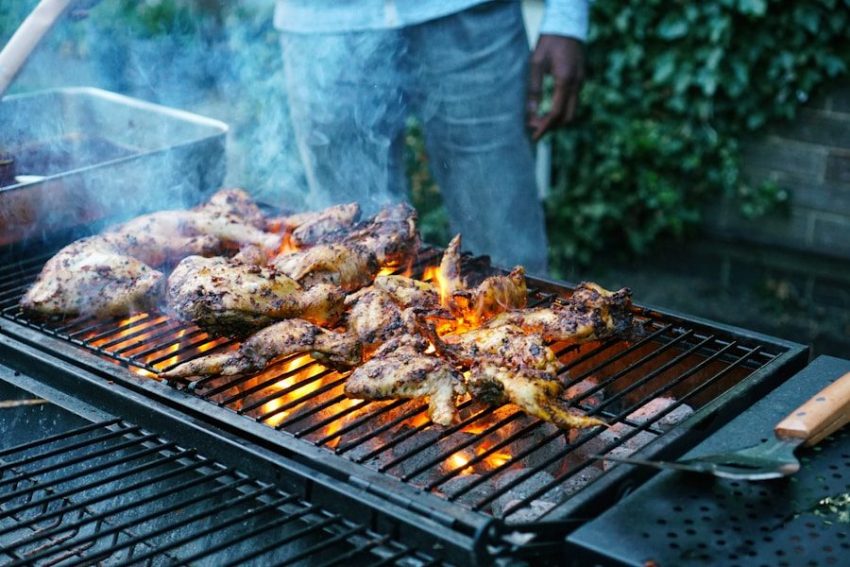
Smoke is easy to overlook during planning, yet it can affect comfort more than people expect. If the cooking area is placed too close to seating, open windows, or entry doors, smoke can drift into the wrong places and make the space unpleasant.
It helps to study the usual wind direction before deciding where to place the cooking station. This simple step can protect dining areas and improve air flow. It also makes outdoor meals feel cleaner and more relaxed, especially when using charcoal grills, which often create more smoke during cooking.
6. Overcrowding The Space With Too Many Features
A backyard cooking area should support comfort, not compete for attention. Sometimes people add too many elements at once, such as oversized seating, storage pieces, extra tables, decorative planters, and cooking equipment. Although each item may seem useful on its own, together they can make the space feel tight and difficult to use.
Instead, focus on what truly supports the way the space is used. A comfortable layout usually includes enough room for cooking, a small prep surface, practical seating, and open space to move. When the area feels balanced, it becomes easier to cook, host, and clean up without stress.
Final Thoughts
A more comfortable backyard cooking space usually comes down to layout, not size. When the cooking area is closer to the house, walking paths stay open, prep space sits nearby, and weather conditions are considered, the entire space works better. Small layout improvements can create a more relaxing and efficient setup. With the right arrangement, cooking outside feels less like a struggle and more like a natural part of home life.