
Here’s a renovation experience a lot of us have had. You pick a paint color. You love the chip. You paint the room. You stand back and realize it looks absolutely nothing like what you pictured — it’s too yellow, or too gray, or weirdly purple, and you cannot figure out where things went wrong because the chip looked perfect.
What went wrong is that a paint chip is about two square inches and a wall is a wall. The color behaves differently at scale, in your light, with your floors and furniture around it. But you couldn’t see that until it was too late.
This is the core problem with planning most home renovations. We make decisions from incomplete information — chips and swatches and measurements and saved photos — and then discover whether those decisions were right only after we’ve already committed to them. Sometimes it works out. Sometimes you’re repainting.
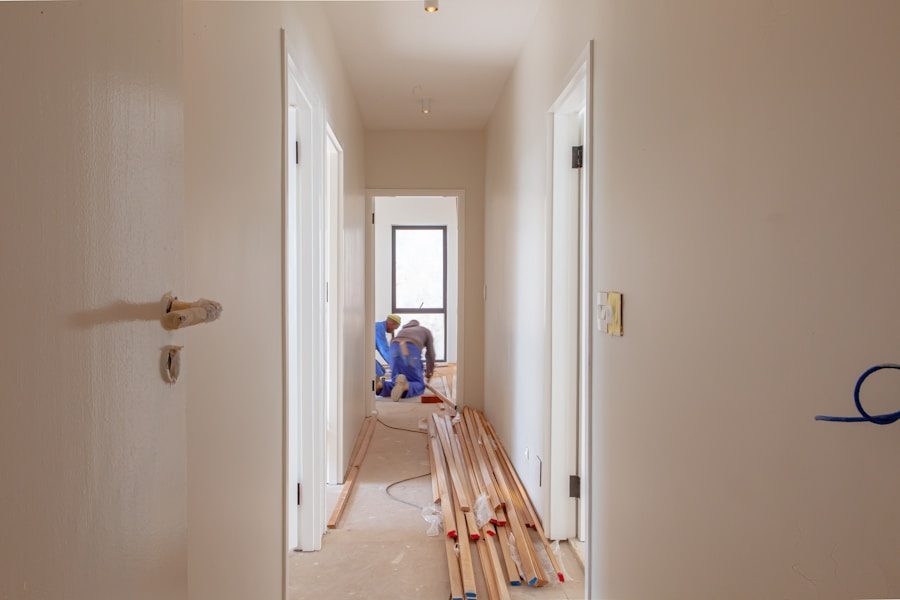
The Gap Between Inspiration and Reality
Saving photos to Pinterest or your phone is actually a useful exercise. It’s how you figure out what style you’re drawn to, what kind of atmosphere you want a room to have. That part genuinely helps.
What it can’t tell you is whether any of that translates to your specific room. Every photo in your saved folder was taken in someone else’s house. Their windows, their ceiling height, their layout. That airy, bright kitchen might look completely different in your older home where the kitchen faces north and gets maybe two hours of direct light on a good day. That spacious-looking living room might have worked because it was twenty feet wide — yours is fourteen.
Older homes have an extra layer of complication on top of all this. They were designed around different furniture, different family patterns, different assumptions about how rooms get used. Load-bearing walls sit in inconvenient places. Utility runs go where you’d rather they didn’t. The room you’re trying to update might have an alcove, or a weird angle, or a doorway that interrupts the wall you were planning to use. None of the standard advice quite fits.
When inspiration photos and rough room plans still leave too much open to interpretation, interior design rendering services can help homeowners picture how a space may actually come together. It’s not about making things fancy — it’s about seeing the room before you’ve spent any money on it, while you still have options.
The Things That Are Genuinely Hard to Picture
Whether the furniture will actually fit. Not just by the tape measure. A sofa can be the right length for a wall and still make the room feel cramped because the scale is slightly off, or because it leaves an awkward gap on one side that doesn’t quite work. Or you get everything in and discover the path between the sofa and the coffee table is about eighteen inches, which is fine until you’re carrying laundry through and bumping into things constantly.
In older homes this gets worse because the rooms weren’t designed with modern furniture in mind. A sectional that works perfectly in a new-build open plan might look completely wrong in a room with lower ceilings and a fireplace eating into one wall.
How colors and finishes work together. This is the one that trips people up constantly. The flooring looks great. The cabinet paint looks great. Together in the room, something is fighting and you can’t quite identify what. Two individually nice choices can create a combination that just doesn’t land — and you can’t always see this coming from samples and swatches evaluated separately.
Whether layout changes will actually solve the problem. Moving a wall or rearranging a room often feels like it should fix whatever isn’t working. Sometimes it does. Sometimes it creates different problems. Knowing in advance which one you’re getting is the whole point.
The Living Room Especially
Of all the rooms in a house, the living room is probably the one where getting the planning wrong is most felt. It’s where your family actually spends most of their time. It has to work for movie nights and homework and guests and just regular Tuesday evenings. The layout has to handle all of that without feeling cramped or awkward or like you’re always navigating around furniture to get where you’re going.
Small mistakes in the living room are also the hardest to hide. The coffee table that’s technically a fine size but impossible to get past without turning sideways. The rug that’s supposed to anchor the seating area but is just slightly too small and makes everything look disconnected. The sofa arrangement that seemed logical until you realized it puts everyone’s back to the window and the room feels dark even though it gets good light.
Because the main living area often does the hardest daily work in a home, a living room rendering can make layout, furniture fit, and traffic flow easier to evaluate before a renovation begins. You can see whether the arrangement actually works — how people move through it, where the focal points land, how the furniture scale relates to the room — before you’ve bought anything or moved anything heavy.
This matters most when you’re working around fixed elements. A fireplace that anchors one wall. A TV that has to go somewhere specific. Built-ins you’re considering. An older home’s window placement that doesn’t cooperate with standard layout advice.
Where the Planning Pays Off
Rooms with awkward shapes or older-home constraints. These are the situations where general advice fails you most completely, because the standard rules assume a more standard room. Seeing your specific room with your specific constraints is worth a lot more than any general guidance.
Projects where you’re choosing several things at once. Flooring, wall color, trim, furniture, lighting — any renovation where you’re making multiple decisions that have to work together is one where seeing the combination before committing matters. Individual choices that look fine in isolation can create problems when they meet in the same room.
Renovations where function is the main goal. If you’re updating a room because it doesn’t work well for how your family actually lives — the traffic flow is wrong, there’s nowhere to put things, the room doesn’t feel comfortable to be in — visual planning can help you check whether the change you’re planning actually solves that problem before you’ve invested in it.
Think It Through First
The renovations that go smoothest are almost always the ones where more thinking happened before anything was purchased or moved or painted. Not necessarily more expensive thinking — just clearer.
Seeing a room more completely before you commit to it is how you avoid the paint color that’s wrong on your walls, the furniture that doesn’t fit, the layout change that creates new frustrations instead of fixing old ones. The goal isn’t a perfect plan. It’s just enough clarity to make decisions you won’t regret — and to catch the ones you would have, while they’re still free to catch.