
Moving is often viewed through a lens of logistics—boxes, tape, and truck dimensions. However, for those who have spent years curating a specific “vibe” or aesthetic in their home, a move is a high-stakes preservation project. Your home’s beauty isn’t just in the items you own; it’s in the pristine condition of the walls, the unblemished finish of the hardwood, and the intentional arrangement of your treasures.
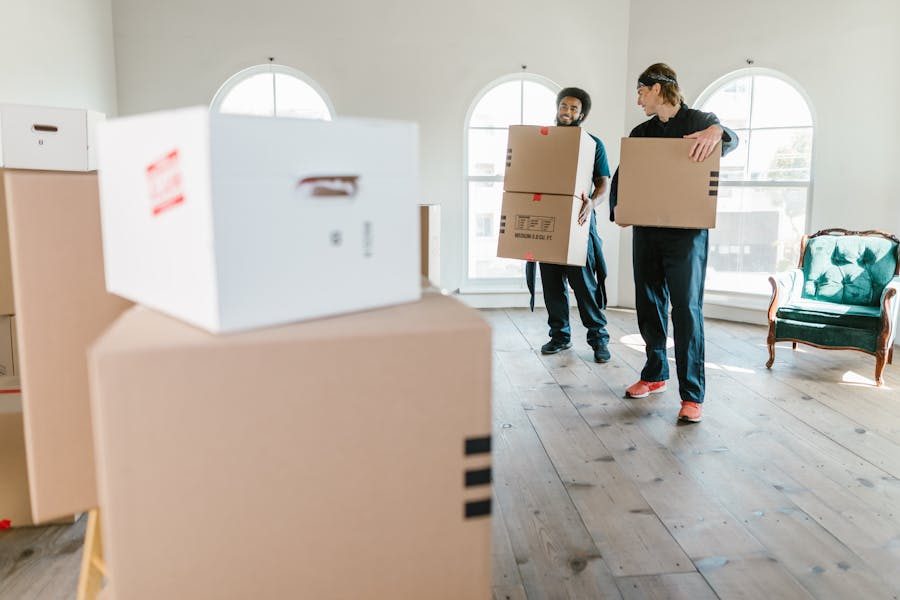
When you transition from one space to another, the risk of “moving scars”—scuffed baseboards, shattered mirrors, or oil-stained rugs—is high. To help you navigate this transition without losing the soul of your interior design, here is a guide to saving the beauty of your house during a move.
1. The Strategy of “Shell Protection”
Before a single box is lifted, you must protect the “shell” of both your old and new homes. The beauty of a house is often tied to its architecture and finishes. Nothing ruins a professional paint job like a deep gouge from a dresser corner.
- Floor Runners and Masonite: High-traffic areas should be covered with breathable floor runners or Masonite sheets. Avoid using simple plastic sheeting on hardwood, as it can trap moisture or cause slips.
- Corner Guards: Temporary foam or cardboard guards should be taped to external wall corners. These are the most vulnerable points during the “pivot” of large furniture.
- Door Jam Protectors: Moving heavy appliances often results in door frame chips. Use quilted pads to wrap the frames of narrow passages.
2. High-Stakes Packing: Art and Fragility
A house loses its beauty when its focal points are damaged. Whether it’s a gallery wall of family photos or a curated collection of mid-century modern ceramics, these items require more than just bubble wrap.
- The “Telescoping” Box Method: For large paintings or mirrors, use telescoping boxes designed specifically for flat art. Always wrap the piece in acid-free glassine paper first; plastic bubble wrap can sometimes react with oil paint or leave “ghosting” marks on glass in high temperatures.
- Crating for Statement Pieces: If you own a heavy marble-top table or an intricate chandelier, standard boxes won’t cut it. Custom wooden crates are the gold standard for ensuring these items arrive in “showroom” condition.
- Soft Goods as Shields: Use your high-end linens and decorative pillows as internal cushioning for fragile boxes. Not only does this save space, but it also ensures your delicate fabrics aren’t crushed at the bottom of a heavy wardrobe box.
3. Hiring the Right Help
While a DIY move is possible, the physical toll on the house is usually higher when inexperienced hands are at work. Professional interstate movers bring more than just muscle; they bring specialized equipment like floor dollies with non-marring rubber wheels and heavy-duty moving blankets that prevent friction damage.
When moving across state lines, the vibration of the truck over hundreds of miles can cause “rub marks” on furniture. Professionals know how to “shrink-wrap and pad” items so that the finish remains buffed and bright, regardless of the distance traveled.
4. Maintaining “Visual Peace” During Chaos
One of the most soul-crushing aspects of moving is the visual clutter. To keep your sanity and the beauty of your environment intact during the transition, consider these organizational tips:
- Zone Management – Designate one room as the “Packing Zone.”
- Keeps the rest of the house looking like a home for longer.
- Uniform Labeling – Use aesthetic, color-coded labels.
- Prevents the “sea of brown cardboard” feel and speeds up unpacking.
- The “First Night” Kit – Pack a suitcase with your best bedding and a candle.
- Ensures your first night in the new house feels beautiful, not clinical.
5. The “White Glove” Unpacking Process
The beauty of your new home is established in the first 48 hours. If you leave boxes stacked in the entryway for three weeks, you set a psychological tone of clutter.
- Furniture First, Boxes Second: Place your large “anchor” pieces (sofas, beds, dining tables) exactly where they belong before opening small boxes. This defines the flow of the room.
- The Art of the Rug: Never place furniture until the rugs are down. It is much harder to “tuck” a rug under a 300-pound oak desk later, and dragging furniture over a rug can cause ripples or tears.
- Lighting as a Priority: Most rental or new-purchase homes have “builder-grade” lighting. One of the fastest ways to save the beauty of your new space is to swap out key light fixtures immediately. Good lighting hides a multitude of moving-day sins.
6. Dealing with the “Aftermath”
Once the **interstate movers** have departed and the furniture is set, take a moment to perform a “beauty audit.”
- Touch-up Paint: Keep a small jar of the wall color and a foam brush handy. Addressing small nicks immediately prevents them from becoming permanent eyesores.
- Professional Cleaning: Even the most careful movers track in dust. Budget for a professional deep clean of your new home *after* the boxes are in but *before* you fully decorate. Polishing the floors and cleaning the windows allows your decor to truly shine.
- Hydrate Your Greenery: Moving is incredibly stressful for houseplants. The change in light and humidity can cause them to wilt, stripping the “life” from your interior design. Transition them carefully and consider a temporary humidity boost.
7. The Emotional Aspect of Home Beauty
Finally, remember that the beauty of a house is a reflection of the people inside it. If you are frazzled and exhausted, the house will feel chaotic regardless of how expensive the furniture is. By outsourcing the heavy lifting to seasoned interstate movers, you preserve your own energy. This allows you to focus on the creative side of the move—arranging the bookshelves, hanging the art, and turning a structure of wood and stone into a curated sanctuary.
Moving doesn’t have to be a destructive process. With a blend of physical protection, professional assistance, and a “design-first” mindset, you can transport the elegance of your current life into your next chapter without missing a beat. Your home is your masterpiece; treat the move as a gallery installation, not a demolition.