
A family backyard gets busy fast once warm weather rolls in. Kids run across the grass, pets pick favorite spots, and chairs come outside again. After a few weeks, worn patches and weeds often start showing up. Those early signs usually point to stress, not bad luck.
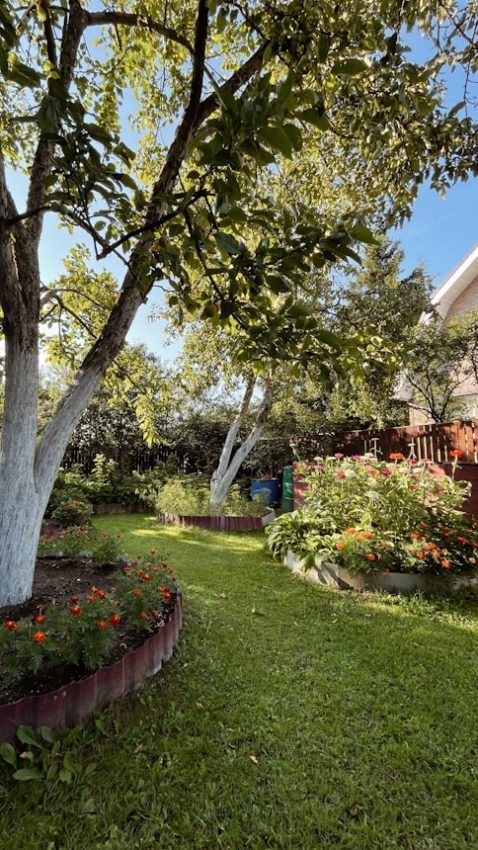
A good backyard garden should look nice and still feel easy to use. It should hold up during games, quiet evenings, and everyday foot traffic. In local yards, steady feeding, watering, and smart weed control in johns creek often help grass stay fuller longer. A healthy lawn also gives the whole garden a cleaner and more inviting look.

Choose Lawn Habits That Fit Family Life
A family yard needs more than a pretty first glance. It needs grass with strong roots and steady growth through busy weeks. Good lawn habits help the yard recover after foot traffic and summer heat. They also reduce the bare areas where weeds usually move in.
The first step starts with simple care. Mow at the right height for your turf and keep mower blades sharp. Avoid cutting too much grass at one time. University of Georgia Extension notes that established lawns do best with about one inch of water each week, and it supports core aeration during active warm season growth.
A few small yard changes also protect the lawn from daily wear. Families often walk the same path without noticing it. Over time, one shortcut can thin grass faster than the rest of the yard. Adding a simple pathway helps spread movement and keeps traffic off one stressed strip.
Here are a few habits worth keeping through the season
- Mow with sharp blades so grass stays cleaner and stronger
- Leave enough height so roots stay protected during hot weather
- Change foot traffic patterns near gates, patios, and play areas
- Aerate during active growth if the soil feels packed down
These steps stay simple, but they do a lot of work. They help grass stay thicker, which gives weeds less room to spread.
Feed the Soil Before You Fix the Surface
Grass problems often begin below ground. A lawn may still look green from a distance, yet the soil may need help. Weak soil leads to weak turf, and weeds quickly take advantage of open space. Strong growth starts with knowing what sits under the grass.
A soil test helps remove guesswork from lawn care. The University of Georgia Extension says there is no bad time to test soil. A basic test shows pH and nutrient levels before you add fertilizer or other products.
This step helps family yards more than people expect. Backyard gardens often mix turf, shrubs, and beds in a tight space. One area may drain fast, while another holds water longer. If you treat every spot the same way, the lawn often pays for it first.
A simple soil plan keeps the yard easier to manage
- Test before heavy spring feeding or repair work
- Treat lawn areas and planting beds as separate spaces
- Watch for thin grass near swings, gates, and play zones
- Plan aeration when warm season grass grows well
These checks help you work with the yard you have. They also cut back on wasted time and products.
Water for Deeper Roots, Not Daily Rescue
Most family lawns need steady watering, but they do not need light daily sprays. Short watering sessions often keep roots too close to the surface. Then the grass dries faster and struggles sooner in heat. Deep watering helps the lawn build better staying power.
This habit also fits busy households better. You spend less time chasing dry spots every evening. A steady routine helps the lawn respond better after hot days and light rain. It also makes it easier to notice areas with poor drainage or weak coverage.
Fulton County Extension recommends early morning irrigation before sunrise. It also notes that deep watering a few days each week helps roots grow lower in the soil. Those deeper roots give grass a better shot during summer stress. They also help the lawn recover faster after family use.
A few watering habits make a clear difference
- Water early so less moisture evaporates in the heat
- Check sunny edges because they dry faster than shaded spots
- Watch for soft areas where water may sit too long
- Adjust run times after rainfall instead of sticking to one routine
If the backyard doubles as your hangout space, comfort matters too. A few relaxing touches from a summer oasis on a budget feel better when the lawn below them stays healthy. No one enjoys muddy patches under chairs or dusty ground near the patio.
Stop Weeds While the Lawn Still Looks Good
Most yards do not fall apart overnight. The trouble usually starts with small weak spots that look easy to ignore. Thin grass near walkways, fences, or play corners often gives weeds a clean opening. Once those patches spread, the whole yard looks rougher.
A healthy lawn gives weeds less room and less light. UGA lawn updates note that compaction, low fertility, and other stress can weaken turf cover. They also explain that post emergent weed products work best when matched to turf type and growth stage.
The timing of lawn care plays a big role here. Families usually get better results when they act early. Small problem areas take less effort to manage than a lawn full of seed heads. Early care also helps the yard look better through the rest of the season.
Use this checklist when you start seeing weeds
- Look for the cause, not just the weed on top
- Check whether the grass looks thin or compacted nearby
- Fix watering or feeding issues before they spread wider
- Treat weeds while patches still stay small and easy to track
A family yard does not need to look perfect every day. It just needs enough healthy growth to bounce back after normal use.
Keep Backyard Care Easy From Week to Week
The best backyard gardens feel lived in, not overworked. They give families a nice place to gather without piling on extra chores. That usually comes from a steady routine, not one huge weekend project. Small checks each week help the whole space stay in better shape.
Walk the yard after mowing and after rain. Look at irrigation heads, notice where water pools, and check where footprints linger. The EPA says most landscapes need about one inch of water each week, including rainfall. It also advises against midday watering because heat wastes water before plants use it.
This type of yard check takes only a few minutes. Still, it helps catch problems before they turn into muddy spots or thin grass. It also helps families stay ahead of repairs instead of falling into catch up mode. A little attention each week keeps the backyard more useful and more pleasant.
A lush backyard garden does not come from one long burst of effort. It grows from healthy soil, smart watering, and lawn care that fits real family use. When those pieces work together, the yard stays fuller, cleaner, and easier to enjoy through the season.