
Daylight changes how a home feels. It makes spaces look larger, colours read more accurately, and (not insignificantly) it can lift your mood on grey afternoons. Yet many homes—especially terraces, flats, and properties with deeper floorplans—struggle to get natural light where it’s needed most.
The good news: you don’t have to knock down walls or start a full extension to brighten things up. A few targeted, practical tweaks can make a surprising difference, and you can choose the level of effort that fits your budget and appetite for disruption.
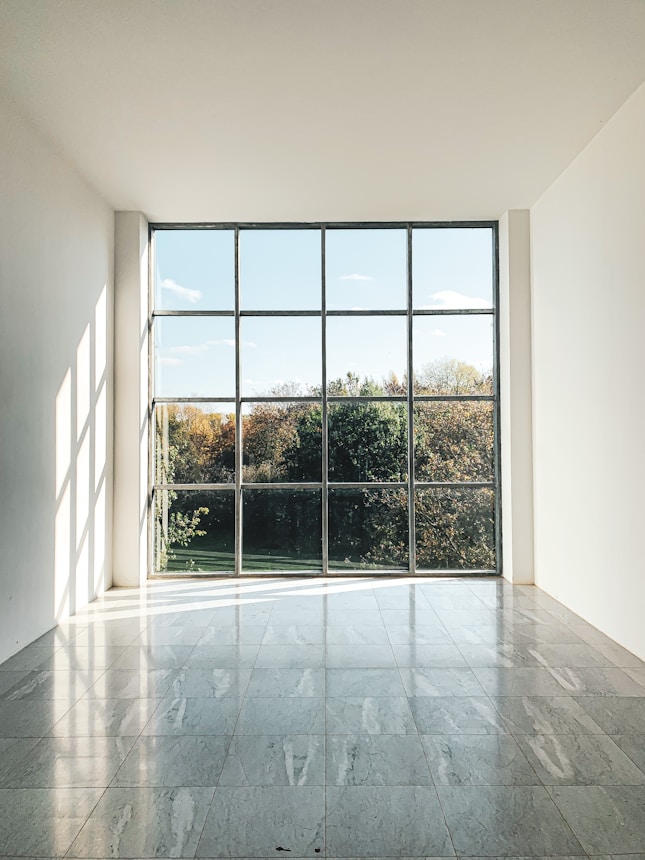
Start With the Light You Already Have
Before adding anything new, it’s worth improving the daylight that’s currently entering the property. Think of this as “increasing the efficiency” of your existing windows.
Clean, clear, and unobstructed beats “bigger” (at first)
It sounds basic, but it’s often overlooked: clean glazing can noticeably increase light transmission, particularly if windows face busy roads or trees that shed pollen. While you’re at it, look for external obstructions you can control—overgrown shrubs, dense trellises, or bulky planters placed right in front of glass.
Inside, check what’s sitting in the light’s path. Tall bookcases near windows, heavy furniture on sills, and dark blinds permanently half-drawn all steal daylight.
Choose window coverings that work with daylight
If privacy is the concern, you don’t have to default to thick curtains. Consider:
- Light-filtering roller blinds rather than blackout linings
- Top-down/bottom-up shades so you can keep privacy while letting in sky light
- Sheers that soften glare without turning the room dim
A small change in fabric density and colour can move a room from “cave” to “calm” without changing the window at all.
Use Surfaces to Bounce Light Deeper Into the Room
Daylight doesn’t just enter; it reflects. The way your interior surfaces handle that light—paint, flooring, furnishings—determines whether it travels or gets absorbed.
Paint: focus on reflectance, not just “white”
Pure bright white can feel harsh in direct sun, but a high-LRV (Light Reflectance Value) paint in a warm off-white can do wonders. If redecorating a whole room isn’t on the cards, paint the window reveals (the inside “sides” of the opening) a lighter tone than the surrounding wall. It subtly amplifies the perception of brightness because it frames the incoming light.
Mirrors: placement matters more than size
A mirror directly opposite a window is the obvious move, but don’t stop there. Try placing mirrors:
- On a side wall near the window, angled to catch the sky
- At the end of a hallway that borrows light from an adjacent room
- Behind table lamps or on darker chimney-breast sections to balance contrast
The goal isn’t to create a “hall of mirrors,” but to redistribute the brightest parts of the room.
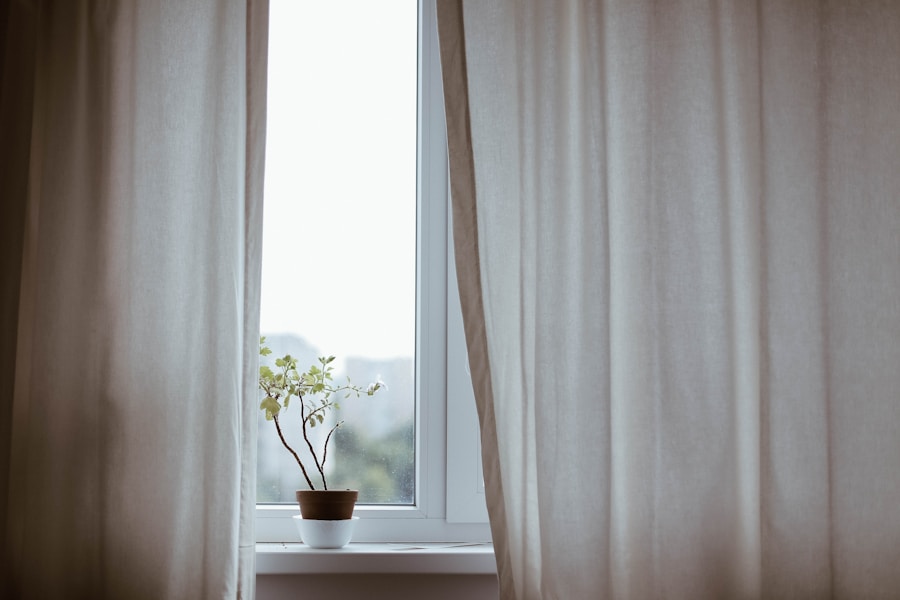
Borrow Light Between Rooms (Without Removing Walls)
If you’ve got one bright space and one darker space next door, the fastest win is often to share what you already have.
Glazed doors and internal windows
Swapping a solid internal door for a glazed one can immediately brighten halls, landings, and kitchens that sit away from external walls. It’s a relatively contained job—more joinery than renovation—and it doesn’t change the home’s layout.
Internal “borrowed light” windows (fixed panes above a door or between rooms) can work especially well for home offices or utility rooms where privacy matters less than brightness.
Keep sightlines open
Even without new glazing, you can increase perceived daylight by opening up the way your eye reads the space. Glass shelving, open-backed bookcases, and lower-profile furniture let light travel further. Dark, high, solid storage units placed near doorways often act like light dams.
Add Daylight From Above: The High-Impact, Low-Disruption Option
When wall windows can’t do the job—common in mid-terrace homes, loft rooms, or single-storey rear additions—top lighting can be transformative. Light from above tends to reach deeper into a space and can reduce the need for electric lighting during the day.
This doesn’t have to mean a huge build. In many cases, adding a rooflight is a focused project rather than a major renovation, particularly if you’re working with a flat roof section such as an extension roof, garage conversion, or porch cover. If you’re researching what might suit your roof type and room goals, it’s useful to view available flat roof window options to understand the different formats, opening types, and how they’re typically used.
Rooflights, sun tunnels, or something else?
- Flat roof windows/rooflights: Great for kitchens, stairwells, and open-plan areas where you want a strong, clean wash of daylight. Ventilated models can also help with summertime heat and humidity.
- Sun tunnels (tubular daylight devices): Best where a full rooflight won’t fit—think internal bathrooms, corridors, or cupboards. They deliver a surprising amount of light for their size.
- High-level glazing: In some spaces, a clerestory-style strip window or internal transom can brighten a room while preserving privacy.
The right choice depends on roof construction, ceiling build-up, and what you want from the light (soft ambient vs. dramatic sun patches).
Make the Most of Layout and “Daylight Zoning”
Even without structural changes, you can rearrange how your home uses light.
Put daytime activities where the light naturally lands
Ask yourself a simple question: where is the brightest spot between 10am and 2pm? That’s your prime daylight zone. Position desks, reading chairs, and children’s activity areas there when possible. Meanwhile, functions that don’t need strong daylight—storage, media units, heavier furniture—can shift to the darker edges.
Watch out for the “dark stripe” effect
Many rooms have a bright perimeter near the window and a darker band further in. If that’s your situation, introduce lighter textures in the mid-zone: pale rugs, reflective accessories, or even just a lighter coffee table. It sounds aesthetic, but it’s also optical—your brain reads the whole room as brighter when the mid-tones aren’t too heavy.
Avoid Common Daylight Mistakes
Sometimes the biggest improvements come from not making things worse.
Don’t over-tint your glazing
Privacy films and tinted coatings can cut glare, but they can also reduce visible light transmission more than people expect. If you need privacy, consider frosting only the lower portion of a pane rather than covering the whole thing.
Balance brightness with comfort
A brighter home isn’t automatically a better one if you introduce glare or overheating. South- and west-facing rooms may need layered solutions: light-filtering blinds, ventilation strategies, or selective shading outside. The aim is usable daylight—comfortable, steady, and not blinding at 4pm.
A Practical Way to Choose Your Next Step
If you’re not sure where to begin, think in tiers:
- No-build tweaks: clean windows, change coverings, rearrange furniture, add mirrors.
- Light-sharing upgrades: glazed doors, internal windows, brighter finishes.
- Targeted daylight additions: rooflights or sun tunnels where side windows can’t help.
Daylight is one of the few home improvements you feel immediately, often before you’ve finished the final coat of paint. Start small, measure what changes, and build from there—your home will tell you quickly what’s working.