
Most home improvements fall into one of two camps: they either look good or they perform well. Roof windows, when done properly, are one of the rare upgrades that deliver both. They change the way a space feels—brighter, taller, more alive—while also contributing to energy performance, ventilation, and long-term property value.
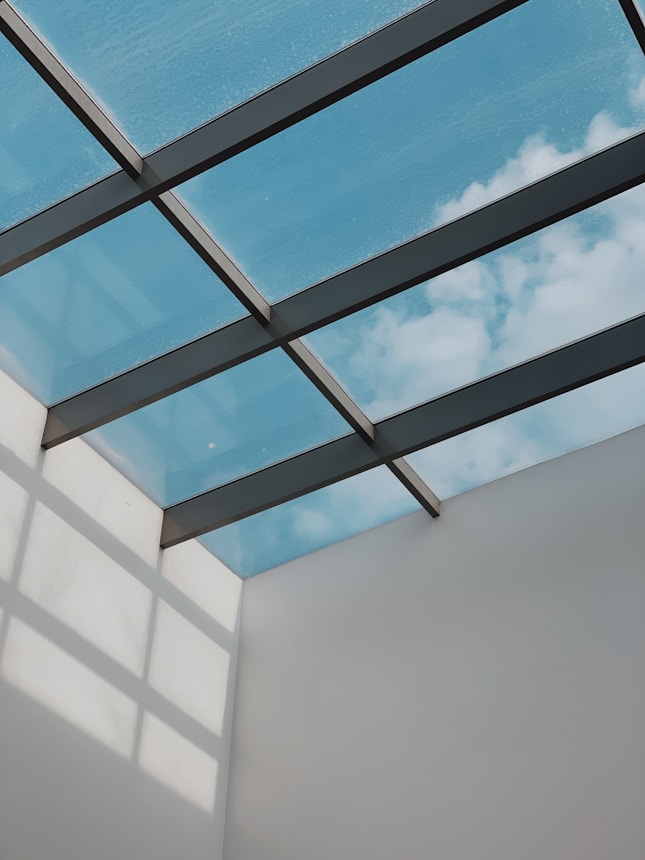
And it’s worth emphasising the “done properly” part. A basic roof window might tick the box of adding light, but higher-spec options tend to repay the extra cost through comfort, durability, and fewer headaches down the line. If you’re researching what’s available, browsing premium roof window solutions can be a useful way to understand the range of glazing, finishes, and opening styles before you commit to a design.
So what exactly makes a roof window a smart investment rather than just a nice-to-have?
Daylight: the upgrade you notice every day
Natural light is one of the strongest drivers of perceived space and comfort. Because roof windows sit overhead, they typically introduce far more daylight than a vertical window of the same size—often quoted as up to 2–3 times more, depending on pitch, orientation, and room geometry. That matters in real homes, not just architectural drawings.
Why daylight translates into value
- Lower reliance on artificial lighting: In loft conversions, stairwells, and top-floor landings, lights can be on for long stretches. Better daylight reduces that baseline usage.
- More usable floor area: Rooms with poor light tend to have “dead zones” nobody wants to sit in. A well-placed roof window can make the whole space feel functional.
- Buyer appeal: Bright, naturally lit interiors photograph better and show better—two small advantages that often compound when a home goes to market.
The key is consistency. Premium units tend to have better glazing clarity, tighter tolerances, and design details that reduce visual distortion and drafts—so the “light improvement” doesn’t come with comfort trade-offs.
Energy efficiency: not just about the glass
Heat loss through glazing is a legitimate concern, especially in older homes where loft spaces can already be challenging to keep comfortable. The good news is that modern roof windows—particularly higher-end models—can be impressively efficient when specified correctly.
The specs that actually matter
A premium roof window isn’t automatically efficient; it’s efficient because of specific performance choices:
- Low‑E coatings and gas fills (often argon): These reduce heat transfer without sacrificing daylight.
- Better U-values: Lower U-values generally mean better insulation performance. Compare like-for-like sizes and configurations when reviewing data.
- Warm-edge spacers and improved seals: These help reduce cold bridging and condensation risk around the perimeter of the glazing.
If you’re upgrading as part of a loft conversion or retrofit, this can support wider goals like improving your home’s EPC rating or simply making top-floor rooms less prone to temperature swings.
Summer comfort and solar gain
Energy performance isn’t only a winter story. In many UK homes, south- or west-facing roof glazing can introduce significant solar gain in summer. Premium options often pair glazing choices with integrated blinds or compatibility with external shading. That’s not a luxury detail—it’s how you prevent the “greenhouse effect” that turns a loft bedroom into an oven.
Ventilation and indoor air quality: the quiet win
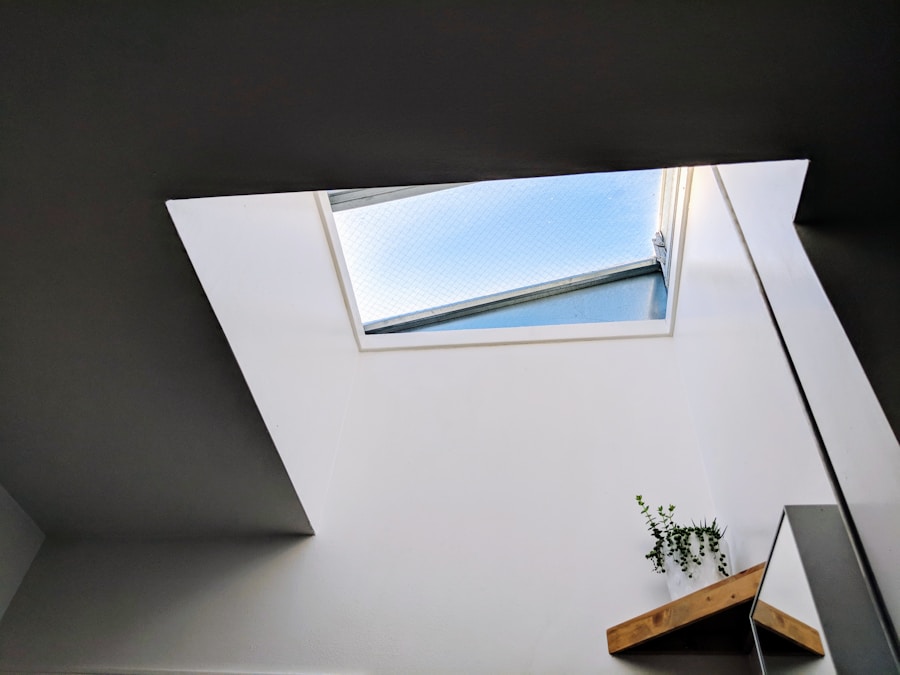
Ask anyone who’s lived with a musty loft room: airflow changes everything. Roof windows are naturally positioned to vent warm, humid air that rises—making them effective for controlling condensation and improving comfort.
Practical scenarios where this pays off
- Bathrooms in loft conversions: Moisture management is non-negotiable. A roof window with reliable opening mechanisms can complement mechanical extraction and reduce lingering damp.
- Bedrooms and home offices: Better air quality supports sleep and concentration. It sounds intangible until you experience it.
- Kitchens on upper floors: Heat and odours clear faster when you can vent high-level air.
Premium units tend to open and close more smoothly, seal more reliably, and offer better long-term performance in the components you interact with daily—handles, hinges, friction stays, and locking points.
Durability and maintenance: pay now, save later
A roof window lives in a harsh environment: UV exposure, driving rain, thermal cycling, wind uplift, and debris. Over time, cheaper models can show it—fogging between panes, degraded seals, stiff mechanisms, or finishes that age poorly.
Where higher quality reduces lifetime cost
- Stronger weather sealing: Less chance of nuisance leaks caused by wind-driven rain or minor roof movement.
- Better finishes: Treated timber, quality cladding, and robust coatings reduce repainting and deterioration.
- Reliable flashing compatibility: Proper flashing details are a major determinant of leak risk. Premium systems often have clearer integration options for different roof materials and pitches.
The cost of rectifying a poorly performing roof window isn’t just the window; it can include plaster repairs, redecorating, and time lost to repeated call-backs. In that context, paying for durability is often the economical choice.
Design choices that protect your return on investment
A roof window “investment” isn’t only about spending more—it’s about specifying well. Before choosing, it helps to step back and ask: what problem am I solving in this room?
A simple selection checklist
- Orientation: North gives softer, consistent light; south can deliver strong sun and heat gain.
- Opening type: Top-hung vs centre-pivot affects views, ventilation, and ease of cleaning.
- Glazing spec: Consider acoustic performance near roads, and solar control for hot elevations.
- Access and safety: Think about egress requirements where relevant, and child-safe ventilation positions.
- Room use: A loft bedroom has different needs than a stairwell or studio space.
(That’s the only checklist you need—everything else should follow from these decisions.)
Installation quality: the multiplier that makes it work
Even the best roof window can underperform if it’s installed poorly. Small errors—incorrect flashing, inadequate insulation around the frame, or rushed internal finishing—can lead to drafts, condensation, and heat loss.
If you want the “premium” benefits to show up in real life, prioritise:
- correct pitch suitability,
- airtightness and insulation continuity at the reveals,
- and proper integration with the roof covering and underlay.
It’s not glamorous work, but it’s what turns a roof window from a feature into a long-term asset.
The bottom line: comfort now, value later
Premium roof windows earn their keep in a way many upgrades don’t. You feel the difference immediately—more daylight, better airflow, more pleasant rooms—and those gains tend to remain stable over years because the product is built to handle the conditions it lives in.
If you’re already investing in a loft conversion, extension, or retrofit, it’s one of the few decisions that improves both the lived experience and the long-term resilience of the building. In other words: it’s not just a nicer window. It’s a smarter home.