
That old shed in the backyard tends to disappear until it starts causing real trouble. Maybe the roof leaks every time it rains. Maybe the floor has gone soft. Maybe it has become the place where half-used paint cans, broken tools, and mystery clutter go to die. At some point, patching it stops feeling practical and starts feeling like one more chore you keep paying for twice.
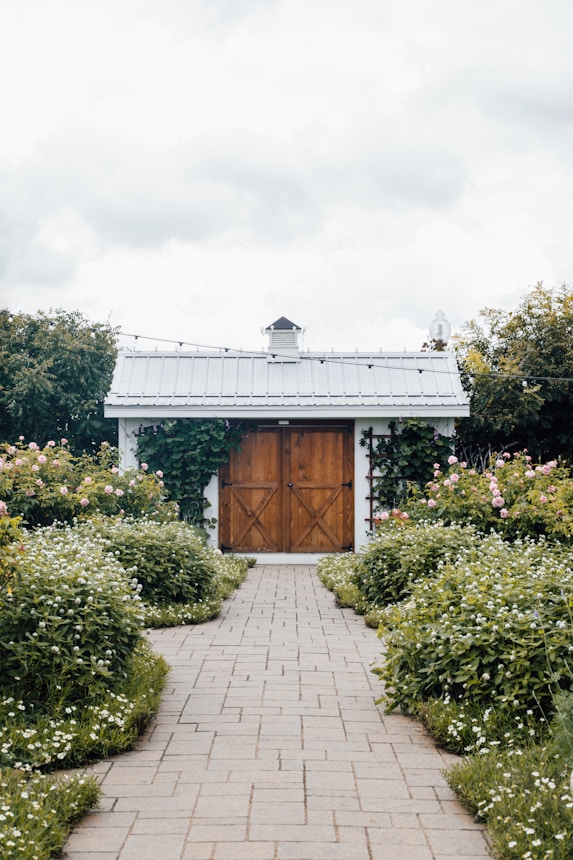
A worn-out shed can make replacement feel like a bigger project than it really is. Plenty of homeowners put it off for that reason. Still, a better setup does not have to mean a huge bill or a full backyard overhaul. The smartest approach is usually the simplest one. Take an honest look at what is beyond saving, keep what still has value, and spend where it will actually make a difference. Done right, a new shed solves a storage problem and makes the yard feel more useful at the same time.
Start by Figuring Out Whether the Shed Is Tired or Truly Done
Some old sheds look rough without being total losses. Peeling paint, faded siding, and a door that sticks in humid weather can make the whole structure seem doomed when the real issue is years of neglect. That kind of wear is frustrating, but it does not always justify a full replacement.
The bigger problems show up in the structure itself. A sagging roofline is one of the clearest warnings. So is rot along the base, especially where water has been splashing back for years. If the floor feels soft, the framing has started to shift, or the corners no longer sit square, repair costs can pile up fast. What looks manageable from across the yard often becomes a mess the second you start pulling things apart.
Moisture changes everything. Once water has been getting in for a while, it rarely damages only one part of the shed. It settles into the floor, weakens wall panels, loosens joints, and creates that stale, damp feeling that never quite goes away. At that stage, more patchwork can feel less like saving money and more like delaying the obvious.
There is also the question of whether the shed still works for the way you live now. A structure can be technically repairable and still be the wrong size, have the wrong layout, or sit in the wrong spot. If it barely holds what you need, has poor access, or has become a catch-all because the setup never really worked, replacement may be the better call.
This is the point where honesty helps. A shed with surface wear may deserve another round of life. One with structural damage, long-term moisture problems, and a layout that no longer fits the yard has probably already made the decision for you.
What You May Be Able to Keep
Replacing a shed does not mean every part of the old setup belongs in a landfill. Some pieces are still worth hanging onto, and those small choices can keep the project from getting more expensive than it needs to be.
The easiest savings often come from the parts that still work. Shelving, hooks, bins, and tool storage can often be reused when they are sturdy and practical. Worktables, wall racks, and solid hardware usually fall into that category as well. These are not the pieces anyone gets excited about, but replacing them all can add up in a hurry.
It is worth looking at the area around the shed too. Gravel, stepping stones, edging, and nearby path materials may still be in great shape. If the site drains well and the base area has been working, you may be able to keep much of that in place instead of treating the replacement like a full backyard reset.
Doors, windows, and trim take a little more judgment. Sometimes older materials have enough charm to justify the effort. Other times, they are exactly why the shed became a headache. Anything warped, rusted through, drafty, or stubborn to use belongs in the discard pile. Keeping something just because it is already there can make the new structure harder to live with.
There is another kind of savings here. Old sheds tend to collect things no one wants, needs, or even remembers storing. Clearing that out before the new shed arrives can reduce the amount of space you actually need. A better shed is not always a bigger one. Sometimes it is simply one that is no longer carrying years of clutter and bad habits.
A budget-minded project gets stronger when you can tell the difference between material that still has a job to do and material that is only hanging around out of habit.
What Is Usually Worth Upgrading This Time Around
A replacement shed should do more than take the place of the old one. It should fix the parts that made the old setup annoying to live with. This is where a lot of homeowners miss the opportunity. They swap out a worn shed for something nearly identical, then end up dealing with the same frustrations all over again a few years later.
Size is the first thing to think through carefully. Bigger is tempting until it eats up the yard space you actually use. Too small, and the new shed feels cramped the moment everything goes back in. The better question is how the shed needs to function in real life. Lawn equipment, seasonal bins, garden tools, bikes, overflow from the garage, maybe even a work surface. Those needs should shape the footprint.
Access matters just as much as square footage. Wide doors make daily use easier. Double doors help when you are hauling in bulky equipment or rolling things in and out. Door placement can change the whole feel of the shed, especially in a tighter yard where every inch matters.
Flooring deserves more attention than it usually gets. A weak floor is one of the quickest ways to turn a new shed into another problem. Heavy tools, stacked bins, riding mowers, and damp weather all take their toll. A sturdier floor may cost more up front, though it usually pays for itself in fewer repairs and fewer regrets.
Ventilation is another upgrade people appreciate once they have it. A shed that traps heat and moisture gets unpleasant fast. Good airflow helps protect what is stored inside and makes the space easier to use in warm weather. Windows can help too, especially when natural light keeps the interior from feeling like a dark box full of forgotten junk.
Material choices shape the long game. Low-maintenance siding, durable roofing, and better trim details can cut down on upkeep and save money over time. That is often the stage where homeowners start looking more closely at options from Glick WoodWorks when they want a replacement that feels solid, practical, and built to last.
The best upgrades are not flashy. They are the ones you notice six months later when the doors still open smoothly, the floor feels firm, and the shed finally works the way you hoped it would.
How to Replace a Shed Without Overspending
The cheapest option on paper can get expensive fast if it solves the wrong problem. That is how people end up with a new shed that still feels too small, too flimsy, or awkward to use. A tighter budget calls for sharper choices, not random cuts.
Start with the footprint. It is easy to pay for space you do not need because a slightly larger model feels safer in the moment. Extra square footage only helps when it matches what you are actually storing. A shed meant for garden tools and seasonal bins does not need the same layout as one that has to handle a mower, bikes, and outdoor furniture. The clearer your storage habits, the easier it is to avoid overspending on size alone.
Site prep deserves its own line in the budget. It is not the glamorous part of the project, though it has a lot to do with how long the shed lasts. A level base, solid drainage, and enough breathing room around the structure can prevent the same moisture and settling problems that ruined the old one. This is also the stage where comparing written estimates before signing anything can save you from paying for vague promises, missing details, or a quote that leaves out the work that actually matters. The FTC advises homeowners to get three written estimates and review a contract before work begins.
It also helps to separate useful features from expensive extras. Strong flooring, decent doors, and weather-resistant materials tend to earn their keep. Decorative add-ons make more sense after the practical pieces are covered. Money spent on durability usually goes further than money spent dressing up the same headache.
A careful comparison matters here. The lowest quote may leave out delivery, installation, flooring upgrades, or details that affect how the shed performs over time. A higher quote can make more sense when it includes the pieces that spare you future repairs. Budget projects usually go sideways when every decision is based on sticker price and none of them account for what happens after the shed is in place.
Why the Replacement Should Improve the Whole Backyard, Not Just Storage
A new shed changes more than the patch of ground where the old one used to lean. It can cut down on visual clutter, make daily routines easier, and give the yard a clearer sense of purpose. Old, worn-down structures have a way of making everything around them look a little more neglected. Even a decent backyard can lose its charm when there is one sagging shed in the corner collecting clutter.
Placement plays a big role here. A shed that fits the yard properly feels intentional instead of dropped in as an afterthought. It should leave enough room to move around comfortably, keep access easy, and avoid crowding the parts of the yard you actually enjoy. Sometimes the smartest upgrade is not a larger shed. It is putting the new one in a better spot and giving the surrounding area a little more order.
This is also a good moment to pay attention to the space around the structure. A simple gravel border, a cleaner path, and a more thoughtful transition from lawn to storage area can help refresh an older home’s outdoor space without making the yard feel overworked or overdesigned. Small changes can carry real weight when the old setup has been making the area feel messy for years.
Function matters just as much as appearance. A replacement shed can free up garage space, cut down on backyard clutter, and create a more dependable place for the things that used to get piled wherever they fit. That kind of order tends to spread. The yard feels easier to maintain. Tools are easier to find. Seasonal cleanup becomes less of a production.
A shed replacement works best when it solves the practical problem and leaves the yard looking sharper, calmer, and more useful than it did before. That is when the money starts to feel well spent.
The Difference a Better Shed Makes
Old sheds have a way of sticking around past their usefulness. You get used to the sagging door, the damp floor, the clutter, and the feeling that dealing with it will cost more than it should. Replacing one on a budget gets easier once you stop treating it like a single yes-or-no decision and start breaking it into smaller, smarter calls. Figure out what is actually worn out, keep the pieces that still earn their place, and spend on the upgrades that will matter every time you use the shed.
A replacement should leave you with more than a newer version of the same problem. It should give you better storage, fewer maintenance issues, and a backyard that feels more put together than it did before. That is where the project starts to feel worth it.