
Bright rooms make a huge difference in how your home feels. Light bounces around, colors pop, and spaces look way bigger than they are. The good news is you don’t need to blow your budget on renovations.
Simple fixes work better than you’d think. Your home probably just needs a few adjustments to let in more light.
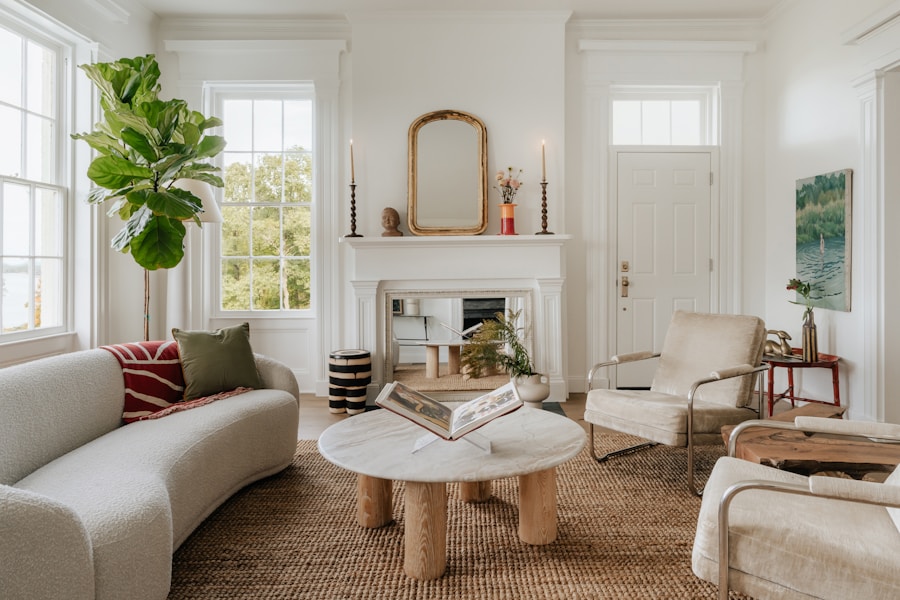
Maximize Natural Light Through Your Windows
Windows are doing most of the work when it comes to brightness. The problem is that dirty glass blocks way more light than people realize until they finally clean it properly.
Think about all the stuff that builds up on windows over time. Dust settles every day, pollen gets sticky during spring, and hard water leaves those annoying white streaks. Most people wipe down their windows once in a while, but there’s grime you just can’t see from the inside. Professional San Clemente window cleaning services tackle the buildup that regular cleaning misses completely. If you live near the coast, salt air creates this stubborn film that’s practically invisible until someone removes it. The difference afterward is night and day.
Getting your windows professionally cleaned a couple times a year keeps them crystal clear. You’re basically maximizing every bit of free sunlight that hits your house.
Now look at what’s covering those clean windows. Heavy curtains might give you privacy, but they’re also blocking sunshine for half the day. Sheer panels let natural light filter through while still keeping nosy neighbors from seeing inside. Another option is top-down shades that pull down from the ceiling instead of up from the sill. Light pours in from above and you still get complete privacy at eye level.
Take a walk outside and check your landscaping too. That overgrown shrub blocking your living room window might look nice, but it’s casting shadows all afternoon. A quick trim job opens things up so light can actually reach inside.
Select Paint Colors That Boost Brightness
Paint might be the cheapest fix for a dark room. Choosing the right color means light bounces around instead of getting absorbed into the walls.
White is the obvious choice, but plenty of other colors work just as well without feeling so sterile. Here are some options that actually make rooms brighter:
- Warm gray brings a cozy vibe to bedrooms without making them dark
- Creamy beige works in living rooms where you want warmth and light together
- Pale blue gives bathrooms that fresh, clean feeling
- Soft whites with yellow hints keep kitchens from feeling cold
The finish changes everything about how your paint behaves. Matte finishes soak up light and make spaces feel closed in. Satin reflects light around the room without being too shiny. Eggshell sits somewhere in the middle. Semi-gloss on baseboards and door frames creates these little reflection points throughout your space. High-gloss takes it even further if you can handle the extra shine.
Here’s something most people skip entirely. Your ceiling is basically a giant reflector sitting above your head. Painting it bright white bounces tons of light back down into the room. The whole space feels taller and more open just from changing that one surface.
Research on light reflection shows that pale surfaces can dramatically increase perceived brightness in a room, even when the actual light entering stays the same.
Use Mirrors and Reflective Elements Strategically
Mirrors basically double your natural light when you place them right. Hang a big mirror across from your brightest window and you’ve just created a second light source through reflection.
You don’t need to drop a fortune on huge mirrors either. Grouping three or four smaller ones on a wall works just as well. They’re easier to hang and won’t overwhelm smaller rooms the way one massive mirror might.
The frame you choose matters more than you’d think. Light-colored wood or metallic frames keep bouncing light around. Dark wooden frames do the opposite and absorb brightness. Chrome or silver finishes amplify the effect even more.
Adding Reflective Surfaces Throughout
Glass furniture spreads light through rooms in ways people don’t expect. A glass coffee table lets light pass straight through to the floor instead of stopping at a solid surface. Chrome cabinet pulls catch little bits of brightness throughout the day. Even glossy picture frames contribute tiny reflections that add up over time.
Metallic touches work the same way all over your house. Brass doorknobs catch light, stainless appliances bounce it around, and silver frames reflect from different angles. Stack enough of these small details and the cumulative effect becomes really obvious.
Clear Clutter and Rearrange for Better Flow
Piles of stuff make any room feel like a cave. Clutter creates visual noise that literally blocks light from moving through your space. Clearing off surfaces opens things up so brightness can travel freely again.
Staying on top of cleaning prevents major buildup in the first place. Taking care of accumulated items that block light is way easier when you deal with it weekly instead of letting it pile up for months. Even small efforts at organizing show immediate results.
Furniture placement controls how light flows more than you might realize. That couch shoved right up against the window is blocking half your natural light before it gets anywhere. Pull it back six inches and suddenly light can circulate behind it. The whole room opens up from one simple adjustment.
Big pieces like bookshelves create total light blockages when you put them against window walls. Moving them to an interior wall instead makes a huge difference. Same furniture, completely different brightness level throughout the space.
People getting ready to list their homes figure this out fast. Proper storage solutions change how bright and spacious rooms look to potential buyers. But you don’t need to be selling to enjoy the benefits of better organization today.
Bringing It All Together
Brightness takes some effort, but the changes are pretty straightforward. Start by noticing where light enters your home and what’s getting in its way.
Pick one room and work through it step by step. Clean the windows first, check whether your current paint helps or hurts, hang a mirror opposite your best light source, and clear surfaces that block brightness. Pull furniture away from windows so light can move around freely.
You’ll see the difference the same day you make these changes. Then move to the next room and do it all over again.