
When you start a renovation, your mind goes straight to your own home. New paint. Better cabinets. Pretty tiles. Maybe you’re remodeling an old house. Or building a deck in the backyard. You picture the final output. But you don’t think of what it looks like from next door.
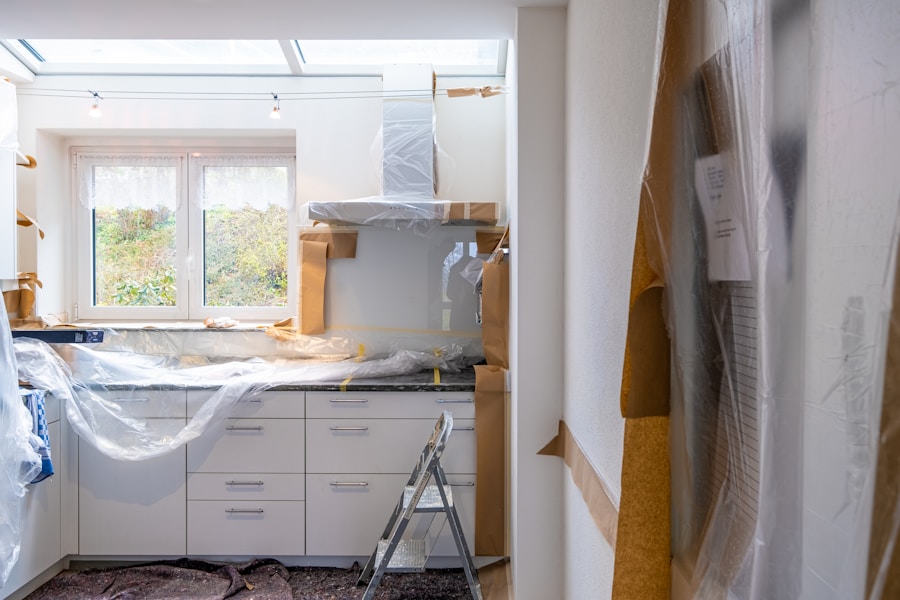
Renovations create risks for people nearby. Noise travels. Dust floats. Trucks block driveways. Your project becomes part of your neighbor’s daily life, too. Loose materials can fall. Walkways can become unsafe. Kids may wander close to work zones. Every day you work on your home is a risk for everyone in the area.
Good neighbors think ahead. They take precautions that protect the people living around them. Want to be a neighbor that cares? Here are six responsible things to do to keep home renovations safe for your neighbors.
Communicate Project Timelines
Your neighbors likely have no clue what’s happening on your property. They don’t know when deliveries will arrive. Or when the walls will come down. Or what time saws will start buzzing. That can make the renovation stressful for them. Surprises can interrupt routines. Kids might get too close to work areas. You want them to feel safe while your project is ongoing.
Tell your neighbors right away once you have a sense of your home renovation timeline. A quick text is enough. A chat over the fence is even better. Share start dates for major work. Let them know the days you expect loud jobs.
This goes a long way. It heads off frustration. It keeps everyone prepared. Your neighbors can plan around noise and traffic. Clear communication makes your renovation safer. It keeps relationships strong as your project moves forward.
Install Barriers Around Work Areas
Construction zones spill debris easily. A plank can fall unexpectedly. Tools can be left where someone might trip. On small lots, neighbors’ yards are often just steps away. That makes renovation work risky.
To protect your neighbors, set up physical barriers. Use fences or sturdy panels. Caution tape works in tight spaces. Barriers show neighbors which areas are off-limits. They prevent accidents. They keep people at a safe distance from tools. You reduce the chance of injuries. Neighbors feel reassured. After all, construction site safety isn’t just for your workers. It’s for everyone in the community.
Schedule Loud Work at Reasonable Hours
Renovation noise goes through the walls. Drills and hammers echo across streets. Early mornings or late evenings are the worst. Neighbors might be sleeping. Or working from home. Or nursing a child. Constant noise can stress people out. It can make them avoid their own yards.
Help your neighbors out. Plan noisy jobs for the middle of the day. That way, you don’t bother people too early or too late. Inform neighbors about the hours in advance. Timing work this way prevents stress. It keeps the neighborhood calm. You finish the job without causing frustration. Everyone stays on good terms.
Manage Falling Debris from High Floors
Working on upper floors carries a serious risk. Tiles, plaster, or even nails can fall unexpectedly. It’s worse when neighbors’ yards are just below. Even minor debris can cause injuries. It can frighten people passing by. Without precautions, anyone nearby is vulnerable.
Control debris carefully. Use safety nets. Maybe some scaffolding shields. Keep ladders clear of loose materials. If debris could cause injury or damage, consider talking to a falling debris construction accident lawyer to understand liability.
Containing debris protects neighbors. It prevents damage to cars or other property. Everyone can walk nearby safely. Your renovation continues without injuries.
Don’t Let Vehicles Block the Road
Deliveries and dumpsters are a normal part of renovations. But these vehicles can block driveways. Neighbors may struggle to leave for work or errands. Emergency vehicles could face delays. Children walking to school can be put in danger. Blocked roads create tension. It increases the chance of accidents.
Plan where vehicles will park ahead of time. Coordinate deliveries in advance. That way, trucks arrive when streets are less busy. Use your driveway whenever possible. Notify neighbors of large vehicles coming in. Ensure sidewalks remain clear.
Clear access reduces risk. It keeps frustration at bay. Neighbors can move around safely. Everyone feels considered and respected while you work on your home.
Clean Up Daily to Reduce Hazards
Renovation work creates a constant stream of debris. Wood scraps. Paint cans. Nails. All these can end up on sidewalks or yards. Neighbors can step on sharp objects. It can be unpleasant. Hazardous, even. So, dispose of renovation waste properly. That way, you keep hazards under control.
Sweep walkways at the end of each day. Bag the trash. Place it in secure bins. Move tools into safe storage. Inspect the area before calling it a day. Neighbors will feel safe around your home. Their yards and property stay clean. Your work area stays organized. Accidents become less likely.
Conclusion
Renovating your home is exciting. But it’s also a chance to show neighbors that you care. Communicate with them about the renovation. Build barriers to protect them from injuries. Watch where debris might fall. Then, clear the walkways. These steps aren’t just rules. They’re ways to respect the lives around you while you improve your own home.
When neighbors see you taking care, they relax. They trust your work. You can focus on your home makeover without guilt. Renovating responsibly means your home grows. Your project succeeds. Your neighborhood stays safe and happy.