
Standing in a backyard with mature trees, winding stone paths, or a garden that has taken years to grow can bring up mixed feelings when a pool enters the conversation. On one hand, the idea of swimming just steps from the house is exciting. On the other, there is a quiet worry about what might be lost. The good news is that a pool does not have to erase what is already there. In many cases, the most thoughtful pool projects begin by listening to the landscape rather than bulldozing it.
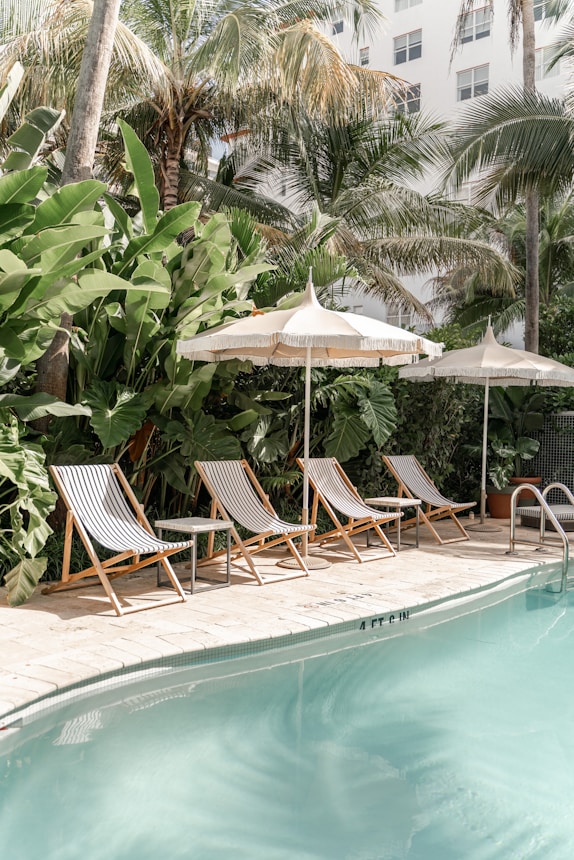
Designing a pool around an existing landscape is less about forcing a shape into the yard and more about finding harmony. It asks a few extra questions upfront, but it often leads to a space that feels settled, natural, and personal in a way brand-new yards sometimes do not.
Letting the Land Set the Tone
Every yard tells a story. Slopes hint at how water moves. Old trees show where shade naturally falls in the afternoon. Stone walls or terraces suggest how people have used the space over time. When designers take the time to read these clues, the pool begins to feel like it belongs.
A flat, open yard might invite a clean, linear pool. A rolling property with native plants could suggest softer curves that echo the land. Rather than fighting gravity or uprooting features, working with them often reduces construction complexity and preserves the character that drew homeowners to the property in the first place.
Protecting What Cannot Be Replaced
Mature trees, in particular, deserve special attention. A forty-year-old oak offers more than shade. It provides scale, privacy, and a sense of permanence that young plantings cannot replicate overnight. Designing around root zones and canopies may slightly shift pool placement, but the payoff is significant.
The same applies to established gardens or hardscape features like stone steps and retaining walls. These elements can become visual anchors, framing the pool rather than competing with it. Saving them also helps maintain soil stability, which can be an overlooked benefit during excavation.
Shaping the Pool to Fit the Yard
One of the biggest advantages of modern pool construction is flexibility. Pools no longer need to follow a single template. When the landscape is the starting point, the pool shape often becomes more interesting.
A long, narrow pool can weave between trees. A freeform edge can mirror a garden bed or a natural slope. Even subtle adjustments, like angling the pool to align with an existing path, can make the space feel intentional. Many of the most effective pool design ideas emerge when the design responds to what is already there instead of starting from a blank slate.
Using Materials That Feel Familiar
Materials play a quiet but powerful role in blending a pool into its surroundings. Stone coping that matches an existing patio. Concrete finishes that echo nearby rock or soil tones. Wood accents that connect visually to decks or pergolas.
These choices do not need to be exact matches. In fact, slight variation often feels more natural. The goal is cohesion, not duplication. When materials speak the same visual language as the landscape, the pool feels like an extension of the yard rather than a separate feature dropped into it.
Rethinking Space and Flow
Designing around an existing landscape can also change how people move through the yard. Instead of one large deck area, there may be smaller seating zones tucked into shade or overlooking gardens. Steps might follow the slope of the land rather than cutting straight across it.
This kind of layout encourages exploration. One path leads to the pool. Another leads to a quiet bench under a tree. The yard becomes layered, offering different experiences depending on where you stand. Over time, these small moments often matter more than a wide-open expanse of concrete.
Balancing Practical Needs with Natural Beauty
Of course, pools still come with practical requirements. Equipment access, safety codes, drainage, and maintenance all need to be considered. Designing around an existing landscape does not mean ignoring these realities. It means integrating them thoughtfully.
Equipment can be screened with existing vegetation. Drainage can follow natural contours. Lighting can highlight trees and paths as much as the water itself. When practical elements are woven into the design, they fade into the background instead of drawing attention.
The Long-Term Payoff
There is a quiet confidence that comes from a pool that feels like it has always belonged. Neighbors might assume it has been there for years. Guests notice how the space feels calm rather than staged. Homeowners often find they enjoy the yard more, not just the pool.
Designing around an existing landscape takes patience and collaboration. It may require saying no to certain ideas in favor of better ones. Yet the result is often a backyard that respects its past while embracing something new.
A Pool That Honors Its Surroundings
Replacing everything can be tempting. It is straightforward and predictable. But designing a pool around what already exists opens the door to something richer. It honors the time, growth, and character already present in the yard.
The most successful pool projects are not just about water and concrete. They are about balance. When a pool complements the landscape instead of replacing it, the space feels complete, as if each element has found its proper place.