
Remodeling a house from the 1980s can feel exciting and intimidating at the same time. These homes have character, yet they hide surprises behind walls and floors.
Between the third quarters of 2024 and 2025’s third quarters, house prices in the US rose by more than 2 percent. Many, thus, are now opting for older houses as they come at a comparatively lower price. Of course, remodelling is a must in the case of most of these houses.
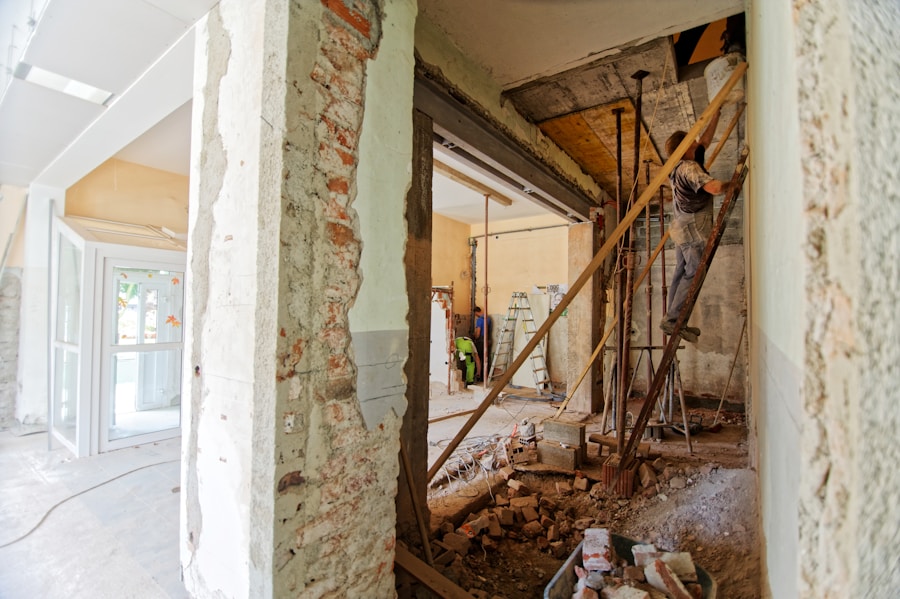
Before swinging a hammer, it helps to slow down and plan smartly. Materials, codes, and layouts from that era differ from today’s standards. If you rush, costs grow, and safety risks follow. Taking precautions early saves money, stress, and regret later.
This guide walks you through five practical steps to consider first before you start remodeling a house from the 1980s.
#1 Check the Structure and Core Systems First
It’s been observed that houses from the 1980s were built to last. These houses usually have superior materials and craftsmanship that you can’t find in new construction. However, checking the home’s structure and core systems carefully is a must before you start remodeling such a property.
Many 1980s houses used methods that now show wear. Foundations may have settled, and framing might hide water damage. Electrical wiring could be outdated or overloaded by modern needs. While most materials used in these houses might be in good shape, plumbing lines may include materials near the end of their lifespan.
Hire inspectors who understand older construction styles. They can spot issues you would never notice alone.
Fixing hidden problems later costs far more than early repairs. This step also keeps your remodel timeline realistic. When you know what you are working with, decisions feel calmer, and you avoid last-minute surprises that derail plans.
#2 Stay Safe From Toxic Materials
Staying safe from toxic materials is critical in older homes. Many 1980s properties still contain asbestos, lead paint, or old adhesives. Disturbing them releases harmful particles into the air. Even simple sanding creates invisible hazards. Professional testing identifies risks before work starts.
Proper containment and removal protect everyone involved. This precaution is about health, not fear. Knowing what exists lets you renovate responsibly and safely.
The impact of toxic materials on one’s health can be seen from the dangers railroad workers face at yards. According to Gianaris Trial Lawyers, many railroad cancer lawsuits describe exposure to toxic materials through dust and exhaust fumes daily. Reports mention benzene linked to prolonged exposure.
These patterns appear in railroad lawsuit lung cancer and esophageal cancer claims. Railroad cancer lawyers connect illnesses to work conditions. The lesson matters for homeowners. Ignoring toxins during remodeling repeats mistakes that harmed railroad workers before.
#3 Plan Layout Changes and Energy Improvements Early
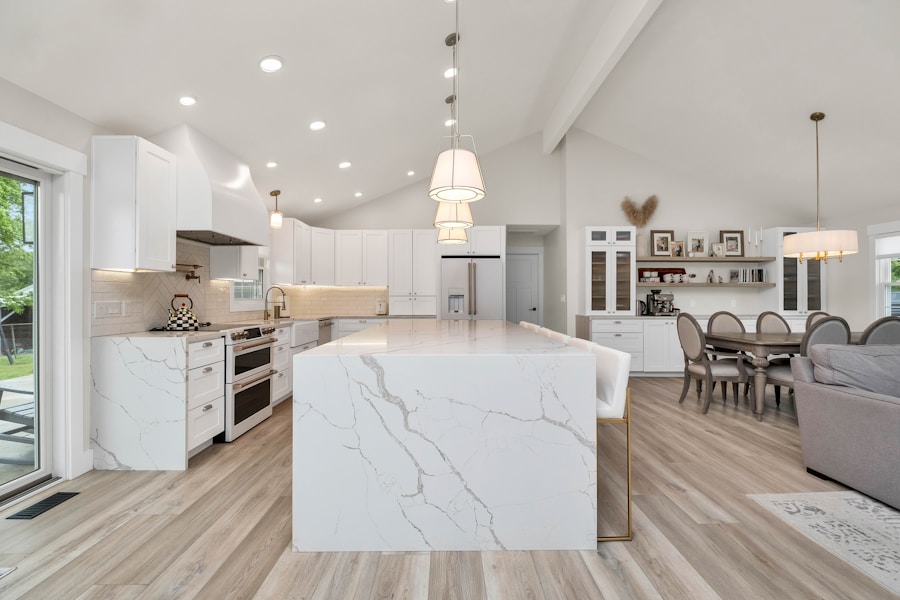
Planning the layout and energy upgrades is another smart precaution. Homes from the 1980s often have closed floor plans. Walls may block light and airflow. Think about how you actually live today. Opening spaces can improve comfort and resale value.
Energy efficiency also deserves attention. Older windows, doors, and insulation waste money quietly. Upgrading reduces bills and improves indoor comfort. Plan these changes early to avoid rework later.
Coordinating layout and efficiency saves time. It also supports sustainable living without sacrificing style. Thoughtful planning turns an old house into a modern home. Clear goals help contractors align work smoothly. You gain comfort, savings, and pride in the result.
This foresight prevents frustration during construction. It keeps decisions focused and confident throughout the entire remodeling journey ahead for you.
#4 Set a Realistic Budget and Understand Permits
Another key precaution is setting a realistic budget with extra breathing room. Renovating a house can cost you between $15 and $150 per square foot. Homes from the 1980s often reveal surprises once demolition begins, which might lead to higher costs.
Outdated insulation, hidden leaks, or code violations raise costs fast. Plan for permits and inspections required by local authorities. Older homes may not meet current safety rules. Updating modern codes protects you legally and financially. Research material prices before committing to finishes.
Labor costs can rise if specialists are needed. A clear budget guides choices and reduces stress. It also helps contractors give accurate timelines. This preparation keeps your remodel moving forward without painful financial pauses later and supports smarter long-term upgrades throughout the entire project.
#5 Hire the Right Professionals for Older Homes
Hiring the right professionals is a precaution that shapes everything else. Remodeling older homes requires experience and patience. Contractors familiar with 1980s construction anticipate problems early. Designers help balance nostalgia with modern needs.
Licensed electricians and plumbers ensure safe upgrades. Clear communication keeps expectations realistic on all sides. Ask for references from similar projects. Written contracts protect everyone involved.
A good team respects your budget and vision. They also follow safety rules without shortcuts. Trust grows when work stays transparent. With skilled people around you, the remodel feels manageable and even enjoyable. Their guidance reduces stress during long renovation weeks.
FAQs
What are common remodeling mistakes?
Common remodeling mistakes include poor planning and unrealistic budgets. Homeowners often skip permits and inspections. Choosing cheap materials leads to long-term problems. Ignoring structural or electrical issues causes delays. Hiring unqualified contractors increases risk. Changing plans mid-project raises costs. Not setting timelines creates stress and unfinished work.
When remodeling a home, what should be done first?
The first step in remodeling is thorough planning and assessment. Define goals, budget, and priorities clearly. Inspect the home for structural or safety issues. Address plumbing, electrical, and foundation needs first. Secure permits before starting work. Create a realistic timeline. Proper planning prevents costly mistakes later.
How to start renovating an old house?
Start renovating an old house with a detailed inspection. Identify structural damage, outdated wiring, and plumbing issues. Prioritize safety repairs before cosmetic updates. Set a clear budget with contingency funds. Hire professionals for major systems. Plan renovations in phases. This approach reduces risk and improves long-term results.
Remodeling a house from the 1980s becomes smoother with the right precautions. Each step builds on the one before it. Taking time early prevents regret later. You stay in control of decisions and costs. The process feels less chaotic and more rewarding. When work finishes, comfort replaces stress.