
Walk into any coffee shop and you’ll see terms like “bold,” “medium,” and “dark roast” scattered everywhere. But here’s what most people don’t realize: that “strength” rating on your coffee bag has almost nothing to do with caffeine.
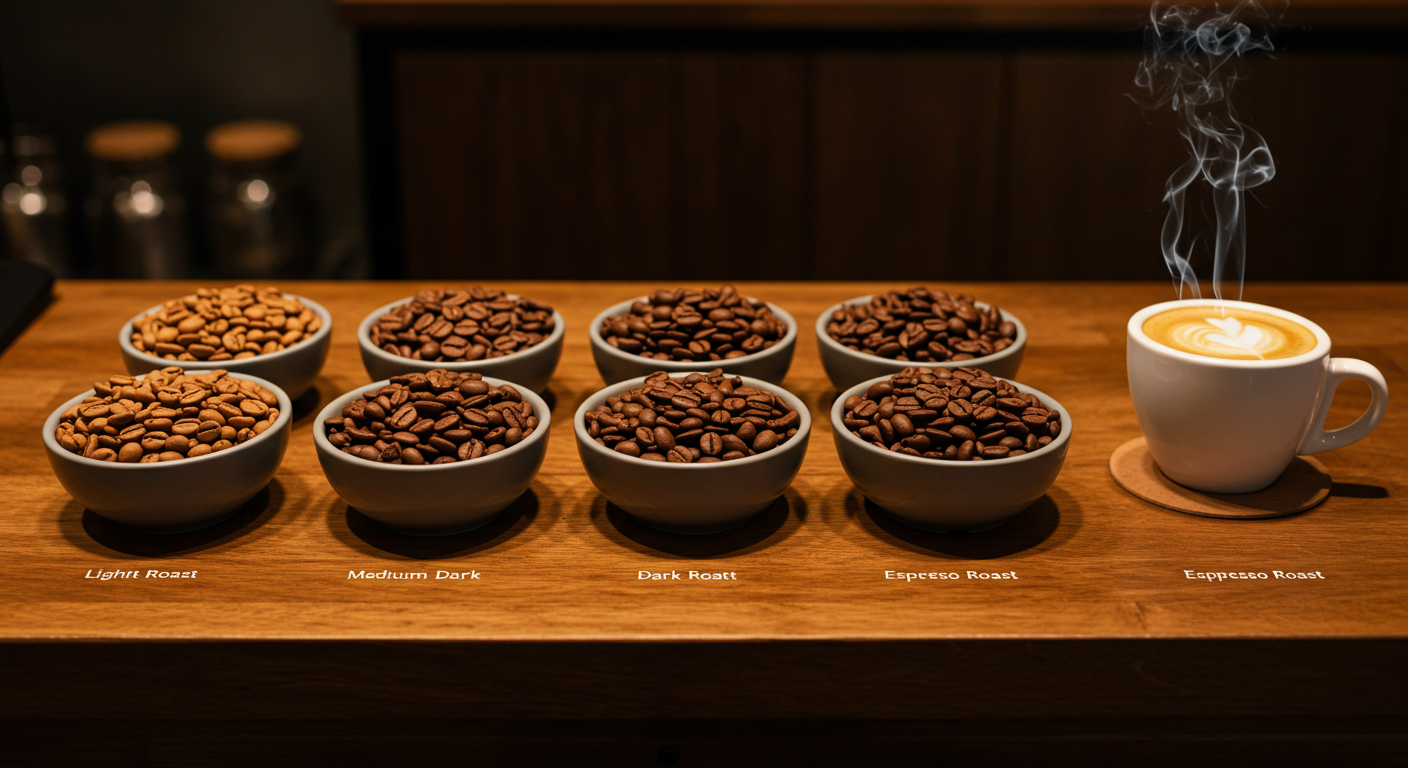
The truth? Most coffee drinkers are choosing roasts based on completely wrong assumptions.
If you’ve ever wondered why your “strong” dark roast doesn’t give you more energy, or why that light roast tastes so sour, you’re not alone. The coffee industry has done a pretty poor job explaining what roasting actually does to your beans.
Here’s the real story behind coffee roasts – and why your taste preferences matter more than marketing labels.
TL;DR: Coffee Roasts Explained
| What You Need to Know | The Real Story |
| 5 roast types exist | Light, Medium-Light, Medium, Medium-Dark, Dark |
| “Strength” = bitterness | NOT caffeine content – all roasts have same caffeine |
| Light roasts taste | Acidic, fruity, bright – best for black coffee |
| Dark roasts taste | Bitter, smoky, heavy – best for milk drinks |
| Medium roasts | Sweet spot for most people and brewing methods |
| Caffeine myth busted | Roast level doesn’t affect caffeine – brewing method does |
| Quality matters most | Good beans taste good at any roast level |
| Your palate wins | Choose what YOU like, ignore marketing “strength” numbers |
What “Strength” Actually Means (Hint: It’s Not Caffeine)
Here’s where most people get confused. When you see a “strength 5” rating on supermarket coffee, you’re not looking at caffeine content – you’re looking at how dark the beans were roasted.
That number tells you one thing: bitterness level.
Light roasts (strength 1-2) taste more acidic and fruity. Dark roasts (strength 4-5) taste more bitter and smoky. It’s that simple.
The reason this confusion exists? Marketing. Coffee companies use “strength” because it sounds more appealing than “bitterness level.” But understanding this difference changes everything about how you choose coffee.
The 5 Types of Coffee Roasts (And What Each Actually Tastes Like)
1. Light Roast
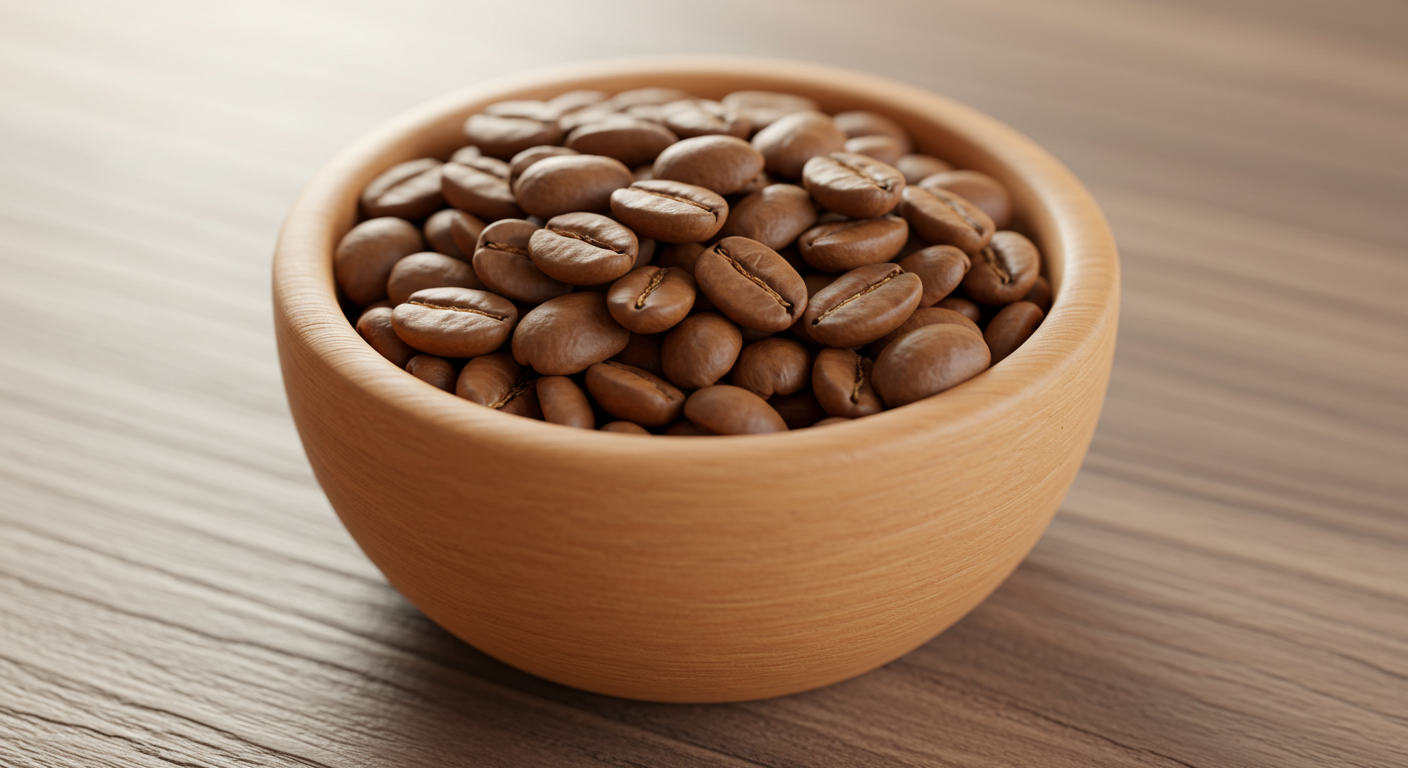
Light roasts are barely past the “first crack” in roasting. The beans stay light brown and keep most of their original characteristics.
What to expect: Bright acidity, fruity or floral notes, tea-like body
Best for: Pour-over methods, black coffee drinkers who want origin flavours
Visual clues: Light brown colour, no oil on surface, harder texture
Since light roasted beans are denser, they actually grind differently than darker roasts. You’ll need slightly more coffee or a finer grind to get the same extraction.
2. Medium-Light Roast
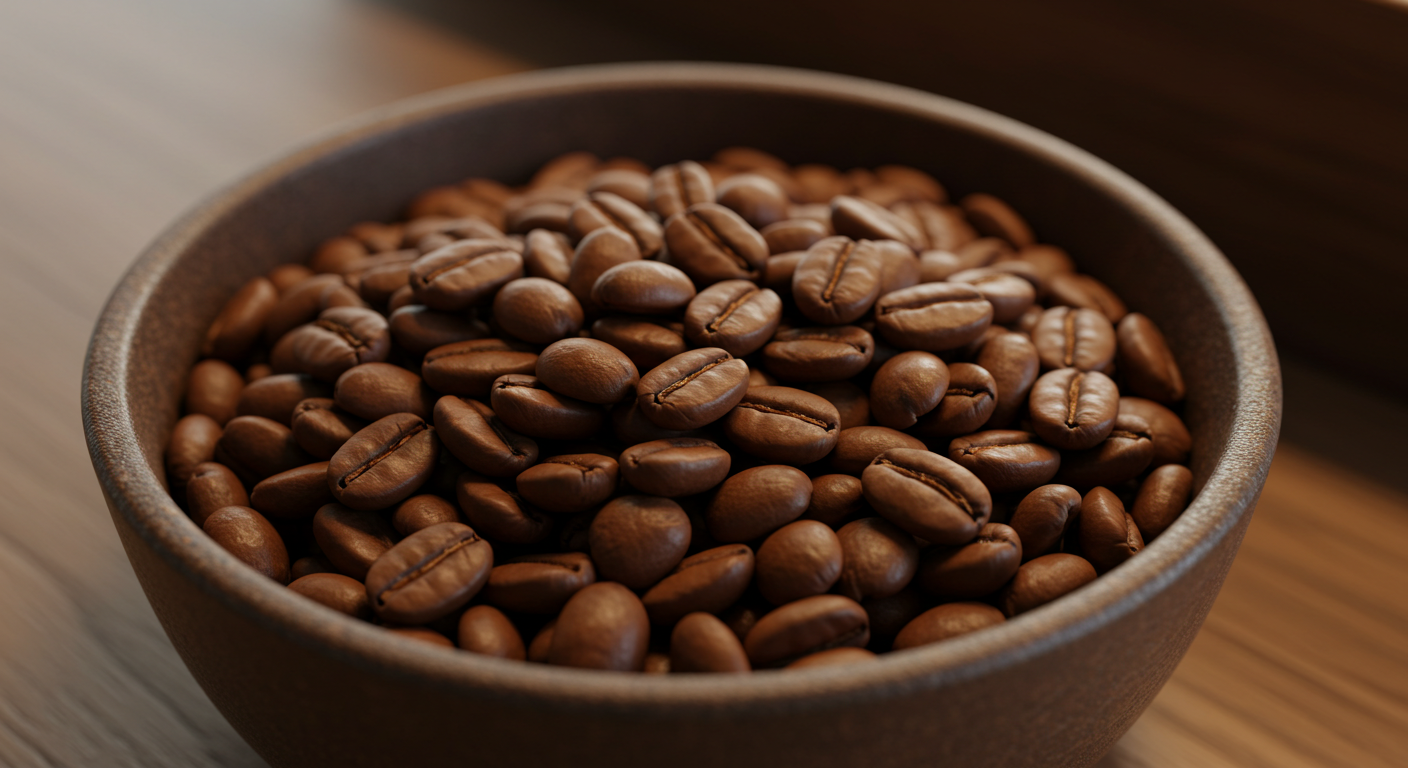
This sits between light and medium – you get some roasted character without losing all the origin flavours.
What to expect: Balanced acidity and sweetness, still some fruit notes
Best for: People transitioning from dark to light roasts
Visual clues: Medium brown, still no surface oils
3. Medium Roast
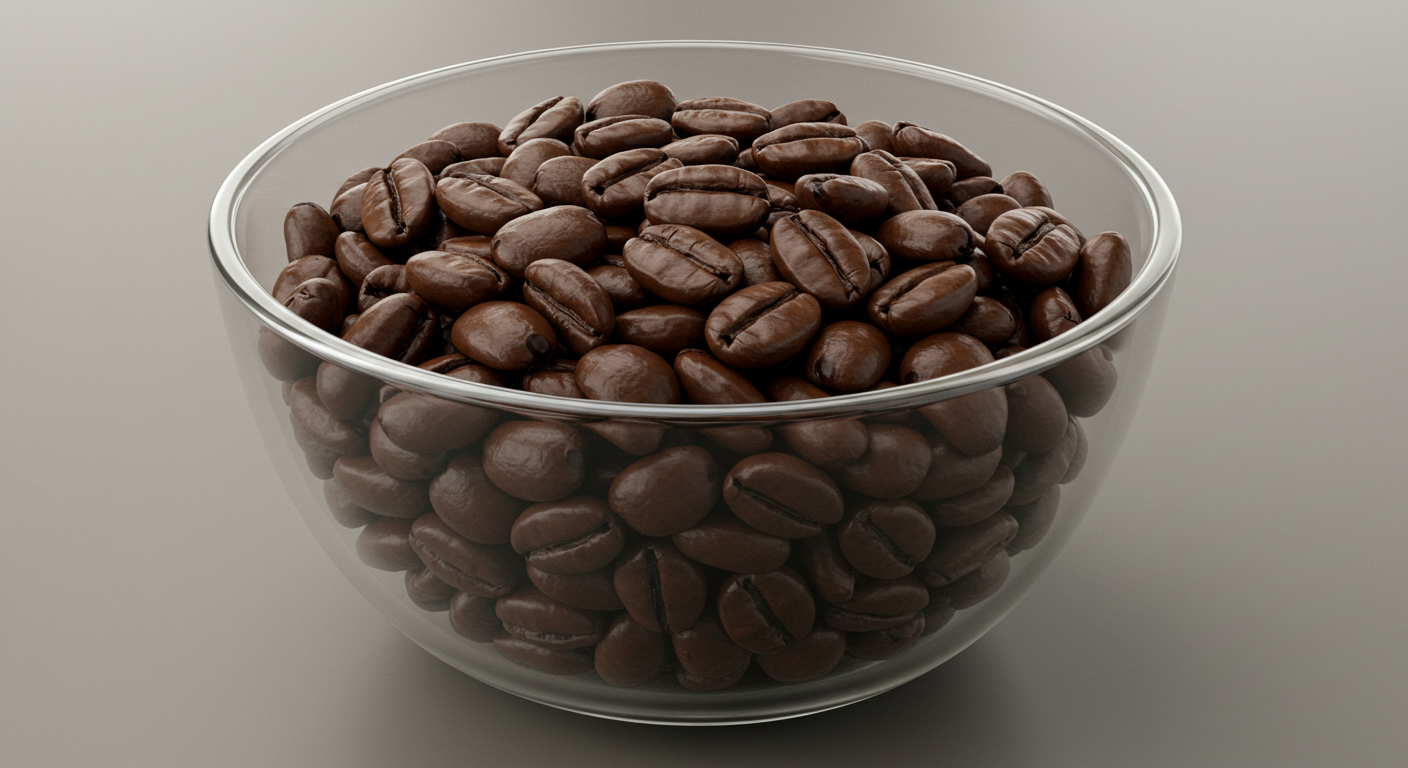
The sweet spot for many coffee drinkers. Medium roasts balance origin character with roasted flavours.
What to expect: Less acidity than light roasts, more body, caramelised sweetness
Best for: Most brewing methods, especially drip coffee
Visual clues: Medium brown, slight sheen but no obvious oils
This is where you start seeing the roasting process affect flavour as much as the bean’s origin. Many speciality coffee roasters, including those focusing on mould-free coffee, prefer this range because it balances bean quality with roasted character.
4. Medium-Dark Roast
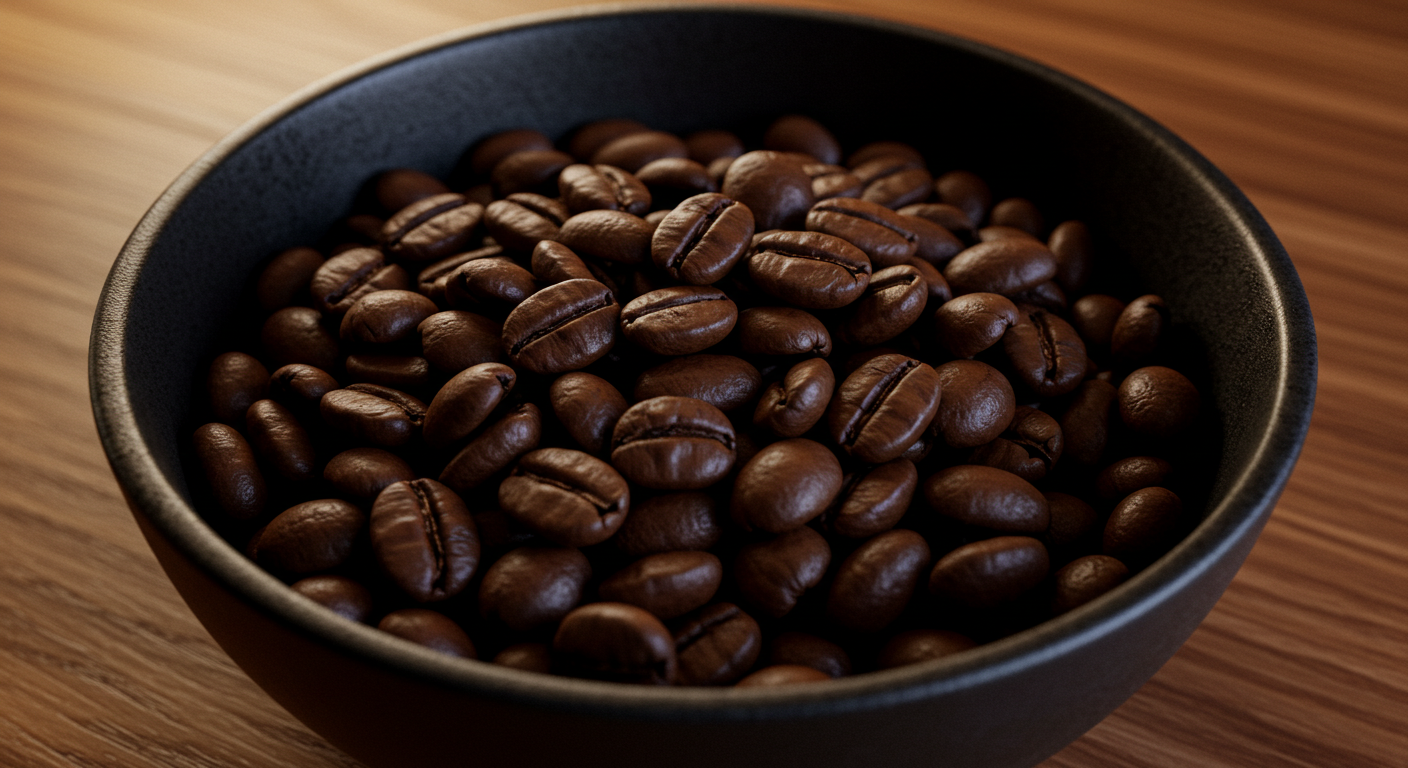
Now we’re into territory where roast flavours dominate origin characteristics.
What to expect: Low acidity, heavier body, chocolate and caramel notes
Best for: Espresso, milk-based drinks
Visual clues: Dark brown with some surface oils
5. Dark Roast
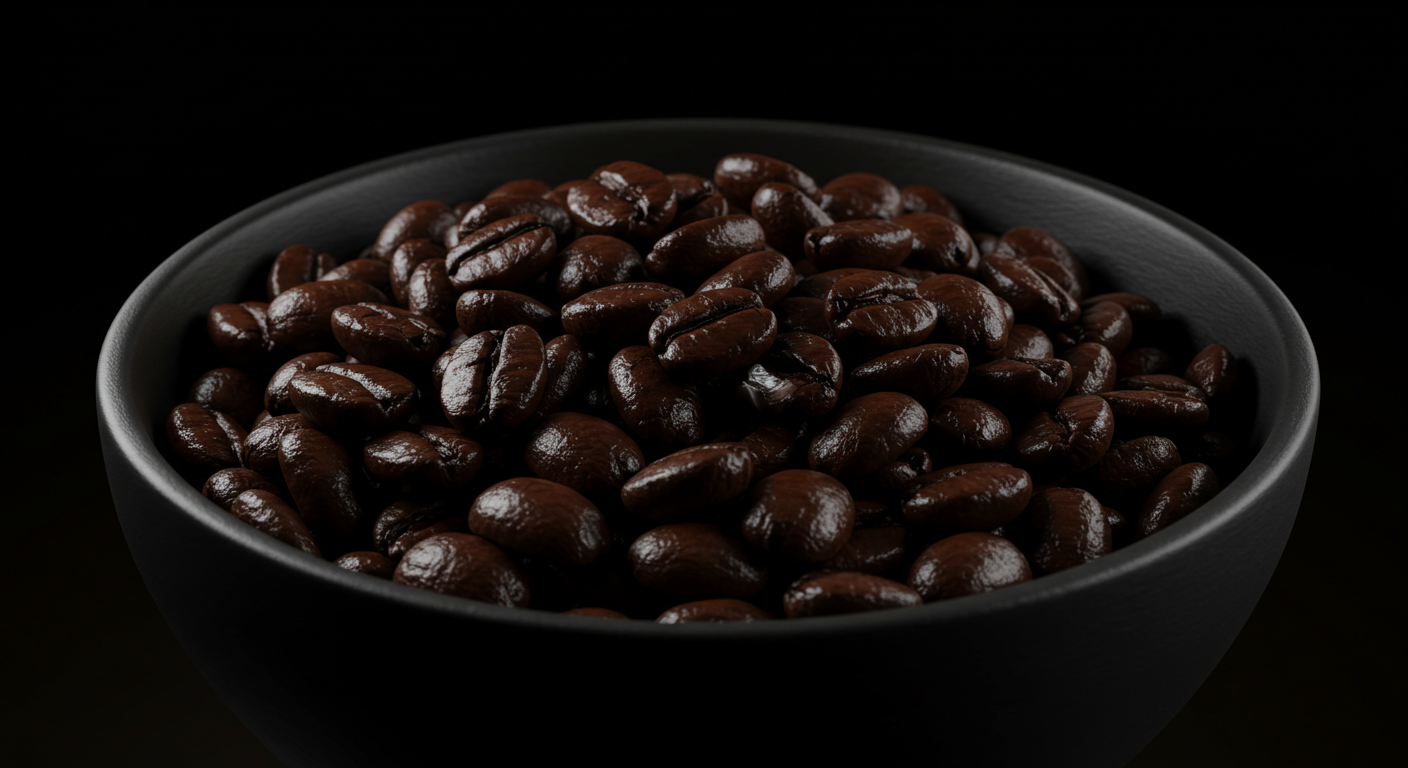
This is what most people think of as “strong” coffee. The roasting process has taken center stage.
What to expect: Minimal acidity, bitter finish, smoky or charred notes
Best for: People who add cream/sugar, espresso blends
Visual clues: Very dark brown to almost black, oily surface
Dark roasts mask bean quality – which is why many commercial operations use them. But if you genuinely prefer bitter, roasted flavours, there’s nothing wrong with going dark.
Light Roast vs Dark Roast: The Caffeine Myth Busted
Here’s the shocker: light and dark roasts contain virtually the same amount of caffeine.
The confusion comes from density. Dark roasted beans are less dense (they puff up during roasting), so if you measure by scoops, you might get slightly less caffeine. But measure by weight, and the difference disappears.
What really affects caffeine content? Your brewing method.
A French press extracts more caffeine than an AeroPress. A pour-over extracts more than cold brew (per serving). The roast level? Barely makes a difference.
Why Your Taste Preferences Matter More Than Trends
Here’s what the speciality coffee world won’t tell you: there’s no “right” roast level.
Your palate has been shaped by everything you eat and drink. If you grew up drinking tea, you might prefer light roasts. If you love dark chocolate, dark roasts might taste perfect to you.
The key is understanding what you’re actually tasting:
- Acidity (bright, tangy flavours)
- Sweetness (caramel, fruit, honey notes)
- Bitterness (roasted, charred flavours)
- Body (how heavy it feels in your mouth)
Many people who think they hate light roast coffee actually hate high acidity. Others who think they need dark roast just prefer low-acid coffee.
Matching Roast to Brewing Method
Different brewing methods work better with different roast levels:
| Brewing Method | Best Roast | Why |
| Pour-over (V60, Chemex) | Light to Medium | Highlights the origin flavours and acidity |
| French Press | Medium to Medium-Dark | Fuller body balances the brewing method |
| Espresso | Medium-Dark to Dark | Cuts through milk, creates better crema |
| Cold Brew | Medium to Dark | Less acidity works better cold |
| AeroPress | Any roast | Versatile method adapts to roast level |
The Quality Factor Nobody Talks About
Here’s something most roast guides skip: bean quality matters more than roast level.
High-quality organic coffee beans taste good at any roast level. Poor quality beans taste bad regardless of how they’re roasted.
This is why many speciality roasters prefer lighter roasts – they show off bean quality. Commercial roasters often go darker to hide defects.
Signs of quality beans:
- Clear origin information
- Roast date (not just “best by”)
- Specific farm or cooperative details
- Consistent size and colour
Common Roasting Mistakes That Ruin Your Coffee
- Mistake 1: Buying pre-ground dark roast Dark roasted coffee goes stale faster because the oils are exposed. Pre-ground makes this worse.
- Mistake 2: Judging quality by roast darkness Some people think darker = better quality. It’s often the opposite.
- Mistake 3: Ignoring roast dates Light roasts are best 5-14 days after roasting. Dark roasts can handle 2-4 weeks, but fresher is always better.
- Mistake 4: Using the wrong grind size Light roasts need finer grinds than dark roasts for the same extraction.
How to Find Your Perfect Roast
Stop guessing and start experimenting systematically:
Week 1: Try a light roast black
Week 2: Try a medium roast black
Week 3: Try a medium-dark roast black
Week 4: Try a dark roast black
Note what you like and don’t like about each. Then adjust based on your brewing method and whether you add milk or sugar.
Most people find their sweet spot between medium and medium-dark roasts.
The Bottom Line on Coffee Roasts
Forget everything you think you know about “strength” ratings and marketing terms. Coffee roasting is about flavour preferences, not caffeine content.
Light roasts taste brighter and more acidic. Dark roasts taste more bitter and roasted. Everything else is just a variation on that theme.
The best roast is the one you actually enjoy drinking. Trust your palate over trends, marketing, or what other people tell you is “correct.”
Start with medium roasts and adjust from there. Pay attention to quality over roast level. And remember – good coffee tastes good at any roast level.
Frequently Asked Questions
Does dark roast have more caffeine?
No. Light and dark roasts have virtually identical caffeine content. The “strength” you taste is bitterness, not caffeine.
Which roast is healthiest?
Light roasts retain slightly more antioxidants, but the difference is minimal. Choose based on taste, not health claims.
Why does my coffee taste sour?
Light roasts have higher acidity, which some people perceive as sour. Try a medium or medium-dark roast instead.
Can I use any roast for espresso?
Yes, but medium-dark to dark roasts work best because they cut through milk and create better crema.
How long do different roasts stay fresh?
Light roasts: 1-2 weeks after roasting. Dark roasts: 2-4 weeks. All coffee is best used within a month of the roast date.
Should I buy whole bean or ground coffee?
Always whole bean if possible. Ground coffee goes stale much faster, especially dark roasts with exposed oils.