
Planning a perfect weekend getaway is no longer just about seeing the sights. For many of us, it’s about what’s on the plate. Whether you’re chasing the best street tacos or a farm-to-table feast, food has become the heartbeat of travel.
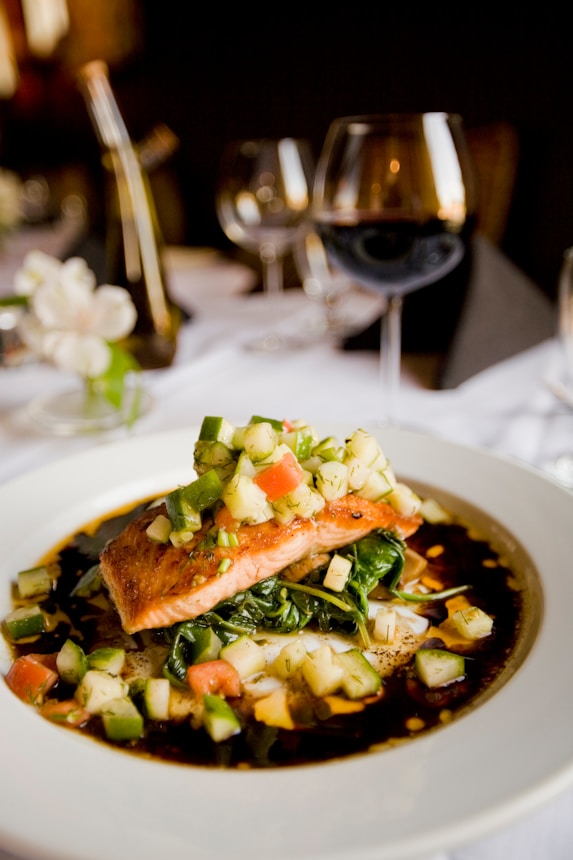
The industry is noticing this shift, too. According to Future Market Insights, the food tourism sector is estimated to be valued at USD 5,457.7 million in 2025. It is projected to reach USD 22,466.5 million by 2035, growing at a rate of 15.2%. Because of this, destinations are investing heavily in heritage food trails and immersive cooking experiences that highlight local traditions.
If you want to plan a trip that satisfies your cravings, it takes more than just a quick search for “top-rated restaurants.” You need a strategy that balances famous spots with hidden gems.
This guide will help you plan a food-filled adventure that satisfies your cravings and your love for travel.
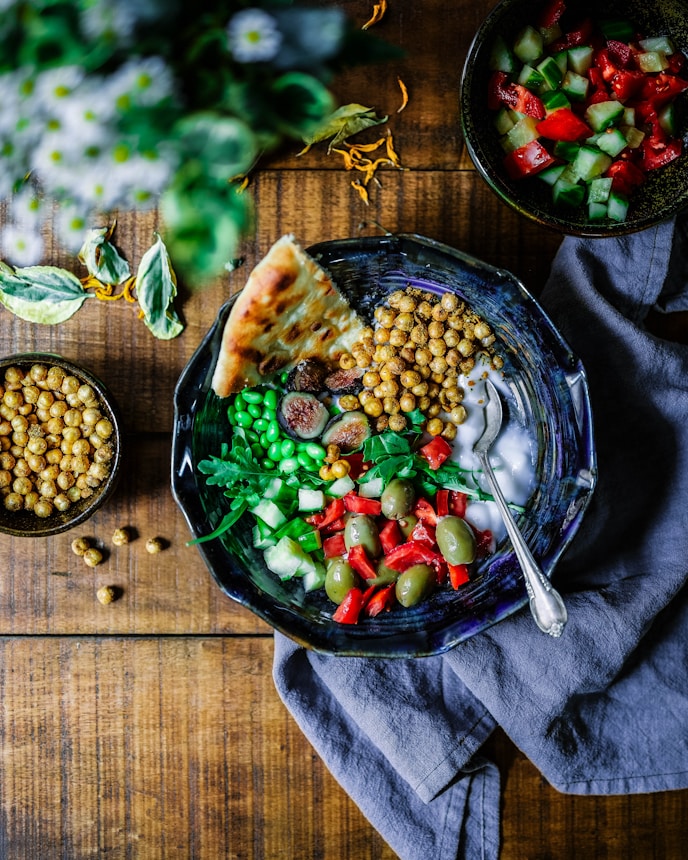
Choose Your Culinary Destination
Selecting the right destination is the foundation of any food adventure. Look for locations with distinctive regional cuisines, seasonal specialties, or diverse multicultural dining. While major hubs like New York and Chicago are obvious choices, smaller cities are becoming major players.
For instance, Travel + Leisure recently included Cleveland on its list of the top 10 food destinations in the United States. They praised its “severely underrated, albeit eclectic food scene,” which is fueled by local producers and trailblazing chefs.
Beyond big cities, consider burgeoning hubs like Louisville or Asheville for authentic experiences without the massive crowds. Research destinations during peak seasons, such as fall harvest festivals or summer farmers’ markets, to find the freshest ingredients.
To maximize your time, choose a location where you can spend more time eating than traveling. Checking culinary awards and local food blogs will help you uncover hidden gems that critics love.
Research Restaurants and Make Reservations
Once you pick a destination, start researching restaurants and making reservations. High-demand spots often require booking weeks in advance, so prioritize your “must-visit” list early. However, be cautious when relying on digital feedback. A Yale School of Management study reveals that it is nearly impossible for people to distinguish between authentic customer reviews and those created by generative AI.
The study found that AI tools like GPT-4 can easily “cook up” mid-length reviews that include human-like quirks and typos, deceiving both readers and AI detectors. Since these platforms cannot “taste” the food, these fake reviews can misleadingly bolster ratings.
To ensure a genuine experience, mix online research with local food blogs or social media videos where you can see the actual atmosphere. Balance your itinerary by pairing high-end dining with casual street food favorites, and always double-check restaurant hours to avoid missing out on an authentic meal.
Make Smart Transportation Plans
Smart transportation is key to a seamless food tour. Decide whether you’ll walk, use rideshares, or rent a car based on how spread out your chosen spots are. If you are in Cleveland, for example, many top restaurants are clustered in walkable neighborhoods like Ohio City, but others require a short drive.
While driving allows you to reach hidden gems, it also comes with risks. Heavy traffic near popular dining districts can lead to unexpected mishaps. If you find yourself in an unfortunate situation, a Cleveland car accident attorney can help navigate the aftermath.
According to Piscitelli Law Firm, securing fair compensation after an injury requires “experience, precision, and dedication.” Having professional help ensures your rights are protected so you can focus on your recovery.
Planning your routes in advance and using designated drivers or reliable transit keeps your focus on the food. By making smart travel choices, you ensure your weekend remains about great flavors rather than logistical headaches.
Pack Essentials for Food-Focused Travel
Smart packing is essential for any culinary journey. Start with comfortable walking shoes and stretchy clothing to stay comfortable during a day of indulgent eating. Since food tours often involve rich or unfamiliar ingredients, the CDC recommends packing a travel health kit.
Essential items include antacids, antihistamines, and diarrhea medicine like Imodium or Pepto-Bismol. Depending on your destination and health needs, you might also include prescribed antibiotics for traveler’s diarrhea, decongestants, or cough suppressants.
Beyond health, bring a portable charger to manage reservations and photos. A small cooler bag is also helpful for bringing home local cheeses or chocolates. Staying hydrated is vital, so keep a reusable water bottle handy between stops.
Budget for Your Culinary Adventure
Strategic budgeting ensures a memorable food tour without financial stress. Start by allocating funds for travel, lodging, and meals. To make your money go further, prioritize unique experiences. You might splurge on a renowned tasting menu, but balance it with affordable street food or park picnics. Many high-end restaurants also offer lunch menus at lower prices than dinner with the same quality.
Don’t forget to factor in extras like cooking classes, market souvenirs, and gratuities. Happy hour specials are another great way to sample cocktails and small plates economically. It is wise to set aside an emergency fund for unexpected finds, like an artisan chocolate shop.
Remember, some of the best memories, like a fresh croissant from a local bakery, cost very little. Tracking your spending helps you stay on course while enjoying every bite.
Frequently Asked Questions
How far in advance should you make a reservation for a restaurant?
For popular restaurants, especially those with Michelin stars or James Beard recognition, reservations should be made several weeks to even months in advance. For less busy or casual spots, booking a few days ahead is usually sufficient. Always check the restaurant’s schedule and peak times for the best results.
How many restaurants should I plan to visit during a weekend getaway?
Plan 2-3 substantial meals daily at restaurants, leaving flexibility for spontaneous discoveries. A typical weekend might include 5-7 reserved dining experiences complemented by casual meals at markets, food trucks, or cafes. Balance prevents meal fatigue and allows genuine appetite for each experience.
What’s the best way to handle dietary restrictions when planning a food trip?
Research restaurants’ ability to accommodate restrictions before booking. Contact establishments directly to discuss dietary needs, review online menus for suitable options, and learn key phrases if traveling internationally. Many acclaimed restaurants excel at accommodating restrictions when notified in advance during reservations.
A perfect food getaway is about more than just eating; it’s about preparation and discovery. By choosing the right destination, researching authentic spots, and planning your transport, you create a smooth journey from one meal to the next. Remember to pack the essentials to stay comfortable and budget wisely so you can enjoy both high-end feasts and simple local treats.
Whether you’re exploring the eclectic streets of Cleveland or a coastal seafood market, thoughtful planning ensures your trip is stress-free. With these steps, you’re ready to turn your next weekend into an unforgettable culinary adventure.